
In this article
- Satellite IoT connectivity enables m2m communication in remote areas where cellular coverage is unavailable or unreliable
- Modern satellite networks provide global coverage through constellation deployments, making IoT solutions viable anywhere on Earth
- Hybrid approaches combining terrestrial and satellite connectivity offer seamless fallback options for critical IoT applications
- Asset tracking, environmental monitoring, and industrial IoT deployments benefit significantly from satellite connectivity options
- Real-time data transmission capabilities through satellite networks support mission-critical IoT device operations
- Partnership models between satellite operators and IoT providers are expanding deployment opportunities across industries
Satellite IoT connectivity changes how m2m communication works. It extends IoT devices beyond regular network limits. When cellular coverage fails in remote locations, offshore platforms, or rural industrial sites, satellite networks provide the critical link. This keeps IoT solutions working. Organizations can deploy IoT systems anywhere on the planet. This opens new doors for asset tracking, environmental monitoring, and industrial automation.
Modern satellite constellations deliver reliable, cost-effective IoT connectivity. In many applications, they rival regular network options. Understanding how satellite connectivity works with existing IoT infrastructure helps organizations make smart deployment choices.
- Satellite IoT Fundamentals
- IoT Deployment Scenarios Beyond Cellular
- Satellite Network Technologies for M2M
- Hybrid Connectivity Options
- Real-World Applications
- Implementation Considerations
Satellite IoT Fundamentals
Satellite IoT connectivity uses space-based communication networks. This enables m2m data transmission where regular infrastructure is missing. Unlike regular cellular networks, satellite systems provide global coverage. They do this through carefully positioned satellite constellation deployments. Each satellite in the group acts as a communication relay. It receives data from IoT devices on Earth and sends it to ground stations for processing.
Modern satellite IoT solutions support various communication protocols made for IoT applications. These systems handle small data packets well. This makes them perfect for sensor readings, status updates, and control commands. The satellite network design ensures that IoT device communications stay reliable even in remote locations.
Coverage Areas and Global Reach
Satellite connectivity removes geographical limits that restrict cellular coverage. Remote oil rigs, agricultural fields, shipping vessels, and mining operations can all maintain IoT connectivity through satellite networks. This global reach lets organizations deploy M2M and IoT solutions without worrying about regular network availability.
IoT Deployment Scenarios Beyond Cellular
Several industries need IoT connectivity in places where cellular networks cannot reach. Maritime operations depend on satellite IoT for vessel tracking and cargo monitoring across ocean routes. Agricultural IoT deployment in remote farmlands relies on satellite connectivity for crop monitoring and precision farming applications.
Environmental monitoring stations in national parks, deserts, and polar regions use satellite IoT to send critical data. They monitor weather patterns, wildlife tracking, and ecosystem health. These deployments would be impossible without satellite service providers offering reliable IoT connectivity options.
Asset Tracking Applications
Asset tracking is a primary use case for satellite IoT connectivity. Construction equipment working in remote areas benefits from this technology. Shipping containers crossing international waters also use it. Pipeline monitoring systems rely on satellite-enabled IoT solutions too. Real-time location data and operational status updates flow smoothly through satellite networks. This provides visibility that regular connectivity cannot match.
Satellite Network Technologies for M2M
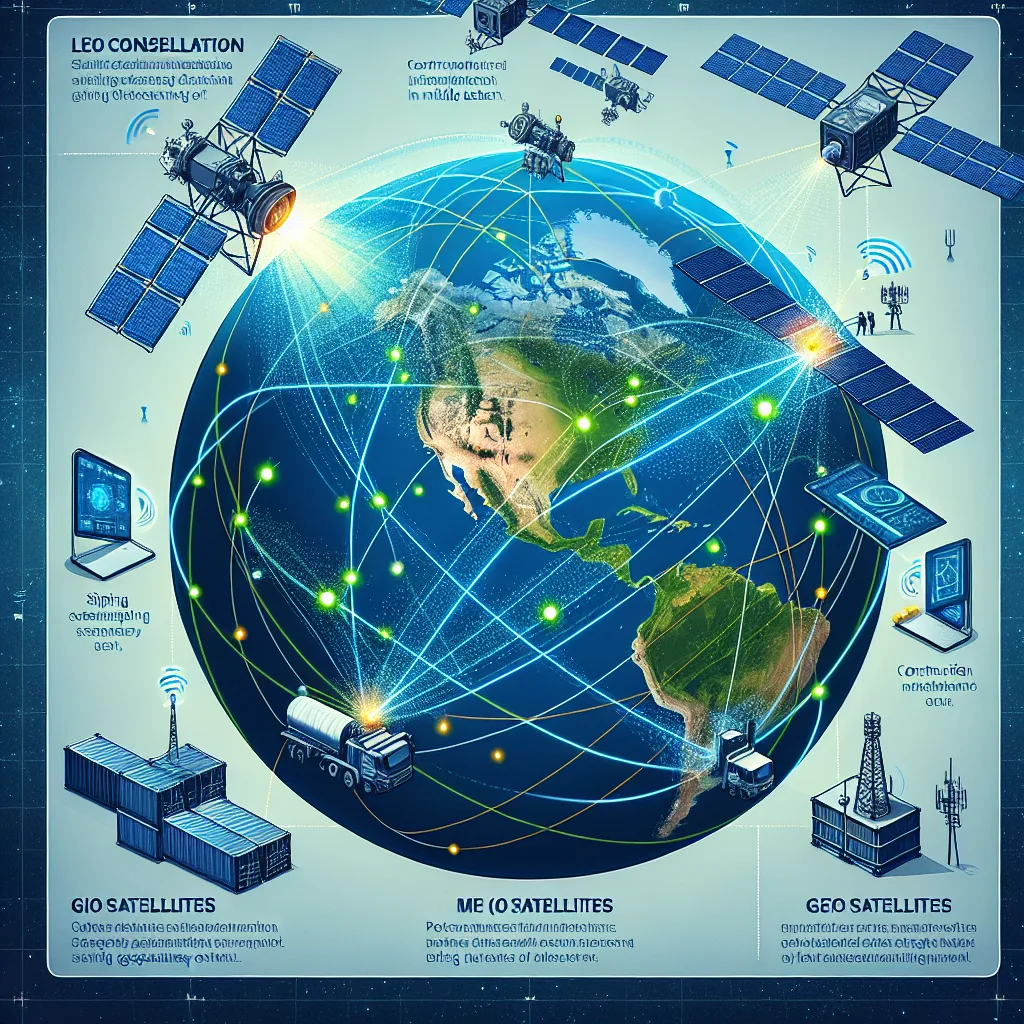
Different satellite technologies serve various IoT connectivity needs. Low Earth Orbit (LEO) constellations provide low-delay communication. This is ideal for real-time IoT applications. Geostationary satellites offer consistent coverage areas. These work well for stationary IoT deployments. The choice between satellite technologies depends on specific application needs, data volumes, and delay requirements.
Satellite IoT module technology has evolved to support direct satellite communication from IoT devices. These special modules include satellite connectivity capabilities. They also maintain low power consumption essential for battery-operated IoT devices. Satellite iot module development continues advancing. This makes satellite connectivity more accessible for diverse IoT applications.
Integration with IoT Platforms
Modern satellite operators provide IoT SIM solutions that enable smooth integration with existing IoT platforms. These satellite-enabled SIMs automatically switch between regular and satellite networks. They base this on availability and signal strength. This hybrid approach ensures uninterrupted connectivity for critical IoT deployments.
Hybrid Connectivity Options
Hybrid IoT connectivity combines regular and satellite networks to optimize coverage and cost efficiency. IoT devices can use cellular connectivity when available. They automatically failover to satellite when regular network coverage is not enough. This approach maximizes the potential of IoT deployments while managing connectivity costs well.
Partnership agreements between cellular network operators and satellite service providers enable these hybrid connectivity solutions. Organizations can deploy IoT devices with confidence. They know that connectivity will remain available regardless of location or regular network status.
Seamless Network Switching
Advanced IoT connectivity management platforms automatically handle network switching between cellular and satellite options. This smooth transition ensures continuous data transmission for mission-critical IoT applications. The switching logic considers factors like signal strength, data costs, and application priority. This optimizes connectivity decisions.
Real-World Applications
Satellite IoT connectivity enables new applications across multiple industries. LPWAN technologies combined with satellite connectivity create powerful IoT networks for remote monitoring. Oil and gas companies use satellite IoT for pipeline monitoring, leak detection, and equipment status reporting in remote locations.
Agriculture uses satellite IoT for precision farming, livestock tracking, and irrigation management. These applications create valuable IoT analytics. This helps farmers optimize crop yields and resource use. The internet of things becomes truly global when satellite connectivity removes geographical limits.
Global IoT Deployment Benefits
Global connectivity through satellite networks enables centralized monitoring of distributed IoT assets. Companies can manage worldwide operations through unified IoT platforms. These platforms gather data from both regular and satellite-connected devices. This global IoT approach provides complete visibility and control regardless of device location.
Implementation Considerations

Successful satellite IoT deployment requires careful consideration of data transmission needs, power use, and cost optimization. Organizations must evaluate their specific IoT applications to find the most appropriate satellite connectivity approach. Choosing the right connectivity provider becomes crucial for satellite IoT success.
Technical integration considerations include satellite iot module selection, antenna needs, and data protocol optimization. Proper planning ensures that satellite IoT deployments deliver reliable performance while managing operational costs well. The satellite iot networks continue evolving to provide more efficient and cost-effective solutions for diverse IoT applications.
Global Coverage and Deployment Flexibility
Satellite-based IoT connectivity enables organizations to deploy monitoring systems anywhere in the world. They don't need to rely on existing regular infrastructure. This global reach changes how companies approach remote asset management. It allows them to send data from offshore oil rigs, arctic research stations, and desert mining operations with equal reliability. The satellite industry has developed special constellations optimized for IoT applications. These offer lower delay and more efficient data transmission protocols.
Modern satellite solutions work smoothly with existing regular networks. This creates hybrid deployments that automatically switch between satellite and cellular connections. The switch is based on availability and cost optimization. This satellite-regular connectivity approach ensures continuous operation while reducing bandwidth costs for routine data transmission. Organizations that rely on IoT deployments in challenging environments find that mobile satellite services provide the backup needed for mission-critical applications.
Service Integration and Data Management
The evolution of IoT service platforms now includes native support for satellite data gathering. This enables unified management of devices across both regular and satellite IoT networks. These platforms handle the unique challenges of satellite communication. This includes higher delay and intermittent connectivity patterns that differ significantly from traditional cellular deployments. IoT and M2M service providers have developed special protocols. These optimize data packaging and transmission scheduling for satellite links.
Satellite infrastructure investments have focused on reducing the complexity of IoT data integration. New ground stations and network operations centers are designed specifically for IoT M2M traffic patterns. Unlike traditional satellite broadband services that prioritize high-bandwidth applications, IoT satellite networks optimize for small, frequent data packets and extended battery life. Companies can now provide connectivity solutions that span from dense urban cellular networks to remote satellite coverage areas within a single management platform.
The merging of satellite internet technologies with IoT protocols has created new opportunities. These are for hybrid connectivity solutions that use both satellite and cellular networks dynamically. This dual-mode approach ensures that IoT deployments maintain connectivity regardless of regular network availability. It also optimizes costs through smart routing decisions.
Hybrid Connectivity Solutions for Industrial Applications
Modern industrial operations use the power of satellite communication to extend iot deployments beyond traditional cellular boundaries. Manufacturing facilities, oil rigs, and mining operations in remote locations can now maintain consistent M2M communication. They do this by using satellite connectivity as their primary or backup network solution. This approach changes the iot landscape. It enables critical asset monitoring and control systems to function reliably regardless of regular infrastructure limits.
Satellite iot devices work smoothly with existing industrial networks through standard protocols and edge computing capabilities. These special units can switch between regular and satellite connections automatically. This ensures uninterrupted connectivity during network outages or in areas with poor cellular coverage. The hybrid approach allows organizations to maintain operational continuity. It also optimizes connectivity costs based on data transmission needs and geographic limits.
Low Earth Orbit Constellations and M2M Performance
LEO satellite constellations deliver improved delay and throughput compared to traditional geostationary satellites. This makes them suitable for real-time M2M applications. Agricultural monitoring systems, fleet management platforms, and environmental sensors benefit from reduced signal delay and enhanced data reliability across vast geographic areas. This connectivity across remote and urban environments enables iot applications that were previously impractical. This was due to infrastructure limits or high costs.
The deployment of satellite devices in wide area network configurations simplifies iot infrastructure management for distributed operations. Organizations can establish uniform connectivity standards across multiple sites. They don't need to rely on varying local network providers or cellular coverage quality. This standardization approach enhances connectivity strength. It also reduces the complexity of managing diverse communication protocols and service agreements across different operational regions.
Emerging satellite IoT platforms simplify iot deployment by offering integrated device management, data processing, and connectivity services through single-vendor solutions. These platforms enable organizations to focus on core business applications rather than managing complex communication infrastructure. Meanwhile, regular iot systems continue handling high-bandwidth local operations where fiber or cellular networks provide optimal performance.
Frequently Asked Questions
What does satellite IoT connectivity beyond cellular coverage mean?
Satellite IoT connectivity beyond cellular coverage means the ability to connect IoT devices and enable m2m communication in areas where traditional cellular networks are unavailable or unreliable. This satellite connectivity provides global reach for IoT deployments in remote locations, offshore areas, and regions lacking regular network infrastructure.
What satellite IoT connectivity coverage areas are available?
Modern satellite constellation deployments provide near-global coverage for IoT connectivity. Most satellite networks cover all inhabited land areas, coastal waters, and major shipping routes. The specific coverage area depends on the satellite service provider and constellation configuration. Many offer worldwide IoT connectivity options.
How has satellite IoT connectivity changed recently?
Recent advances in satellite technology have dramatically improved IoT connectivity capabilities. New satellite constellations offer lower delay, reduced costs, and better integration with regular cellular networks. These improvements make satellite IoT more viable for diverse deployment scenarios and real-time applications.
What satellite IoT connectivity options are available for asset tracking?
Asset tracking applications can use satellite IoT through dedicated satellite modules, hybrid connectivity solutions, or satellite-enabled IoT SIMs. These options provide real-time location data, status monitoring, and two-way communication capabilities for assets operating beyond cellular coverage areas.
Can satellite IoT connectivity work in China and other restricted regions?
Satellite IoT connectivity availability in specific countries depends on local regulations and approved satellite service providers. Organizations planning global IoT deployment should verify satellite network access and compliance requirements for each target region before finalizing their connectivity strategy.
How do satellite solutions compare to cellular networks for IoT deployments?
Satellite solutions excel in remote locations where cellular infrastructure doesn't exist. They provide reliable connectivity anywhere in the world for IoT M2M applications. While satellite connections typically have higher delay than cellular networks, modern IoT satellite constellations have reduced this gap significantly. This makes them viable for most monitoring and control applications. The choice between satellite and cellular often depends on geographic coverage needs, data volume, and cost considerations specific to each deployment.
What types of IoT data work best with satellite connectivity?
Satellite networks handle small, infrequent data transmissions most efficiently. This makes them ideal for sensor readings, status updates, and alarm conditions that rely on IoT communications. Applications that transmit data in bursts rather than continuous streams work particularly well with mobile satellite services. This is because they align with the orbital patterns and coverage windows of satellite constellations. Environmental monitoring, asset tracking, and remote equipment diagnostics represent the most common use cases for satellite-based IoT connectivity.
Can organizations combine satellite and terrestrial networks in their IoT service deployments?
Modern IoT platforms support hybrid deployments that smoothly integrate regular and satellite IoT networks. They automatically select the best available connection for each device. This satellite-regular connectivity approach provides backup and ensures continuous operation even when primary networks become unavailable. Organizations benefit from unified management interfaces that handle both satellite infrastructure and cellular connections through a single IoT service platform.
What role does satellite broadband play in industrial IoT applications?
Satellite broadband serves as the backbone for IoT and M2M communications in industrial facilities located beyond cellular coverage areas. It enables real-time monitoring and control systems. While individual IoT devices may use low-bandwidth satellite connections, satellite internet provides the high-capacity links needed for data gathering, remote system management, and video surveillance integration. This layered approach allows industrial sites to provide connectivity for hundreds of sensors while maintaining strong communication channels for critical operations.
What types of satellite iot devices work best for remote M2M applications?
Battery-powered sensors, asset trackers, and environmental monitoring units represent the most effective satellite iot devices for remote deployments. These devices typically feature ultra-low power use, ruggedized enclosures, and built-in antennas designed for satellite communication. They excel in applications requiring infrequent data transmission and long operational lifecycles without maintenance access.
How does satellite connectivity extend iot capabilities beyond cellular networks?
Satellite networks enables iot deployments in locations where cellular towers are absent or unreliable. This includes ocean vessels, polar research stations, and remote mining sites. The technology provides consistent connectivity across global regions without requiring local infrastructure investments. Organizations can maintain smooth connectivity for critical monitoring and control applications regardless of regular network availability or political boundaries.
What factors affect connectivity resilience in satellite IoT systems?
Weather conditions, satellite constellation coverage, and device antenna positioning directly impact connectivity strength in satellite IoT deployments. Multiple satellite access points and automatic switching between different satellite networks enhance system reliability. Proper device placement and backup power systems further improve operational continuity during adverse conditions or temporary satellite outages.
How do hybrid satellite-terrestrial systems simplify iot management?
Hybrid systems allow organizations to use the same device management platforms and data protocols across both satellite and regular connections within their wide area network infrastructure. This unified approach reduces training requirements, standardizes maintenance procedures, and enables centralized monitoring of all connected assets. The smooth switching between connection types eliminates the need for separate management systems for different communication methods.
Satellite IoT connectivity changes m2m communication possibilities by removing geographical limits that restrict traditional cellular solutions. Organizations seeking to deploy IoT devices in remote locations, enable global asset tracking, or ensure uninterrupted connectivity for critical applications should evaluate satellite connectivity options as part of their complete IoT strategy. The combination of advancing satellite technology with evolving IoT requirements creates new opportunities for innovative applications. These were previously impossible with regular-only connectivity approaches.
Related Articles
Wi-Fi vs Cellular for IoT: When to Use Each
Choosing between wi-fi vs cellular for iot when to use each option is a critical decision. It impacts deployment success, operating costs, and device pe...
RFID Technology in M2M: How It Works
RFID technology in M2M systems changes how machines communicate and exchange data. Radio frequency identification enables automated tracking and data co...
ZigBee in M2M: Use Cases and Limitations
ZigBee is a wireless communication protocol that works in short range environments. This makes it ideal for creating strong smart home solutions and ind...