In this article
- M2M technology enables seamless data transmission between medical devices and healthcare systems, revolutionizing telemedicine and remote patient monitoring
- Connected devices reduce healthcare costs by up to 30% while improving patient outcomes through continuous monitoring and early intervention
- Healthcare providers can now deliver care to underserved populations, breaking down traditional barriers to healthcare access
- Real-time health data collection allows for personalized treatment plans and proactive healthcare delivery
- Integration challenges exist but are being overcome through standardized protocols and improved interoperability
- The future of healthcare lies in connected health technologies that transform patient care from reactive to preventive
- Transforming Healthcare Through M2M Technology
- The Evolution of Telemedicine with Connected Devices
- Remote Patient Monitoring: Real-Time Healthcare Delivery
- Building a Connected Health Ecosystem
- Improving Patient Outcomes Through Digital Health
- Expanding Healthcare Access with Telehealth Solutions
- Overcoming Implementation Challenges in Healthcare Systems
- Frequently Asked Questions
Transforming Healthcare Through M2M Technology
Healthcare transformation needs a new way to think about care delivery. M2M technology serves as the key foundation that enables this change. It connects medical devices, sensors, and monitoring equipment directly to healthcare systems. This connection creates a smooth flow of health data. This helps healthcare providers make smart decisions quickly. The healthcare industry has worked on reactive models. Patients seek treatment after symptoms appear. M2M-enabled devices change this approach. They provide continuous monitoring that detects health changes before they become critical. Wearable sensors track heart rate changes. Glucose monitors alert to dangerous blood sugar spikes. Smart inhalers monitor medication use. All without requiring active patient involvement. Healthcare systems benefit from this constant stream of patient data. They gain visibility into population health trends and individual patient patterns. Hospitals can predict equipment needs. They can optimize staff allocation. They can identify patients at risk of readmission. The integration of M2M technology into healthcare infrastructure creates efficiencies. These translate directly to improved patient care and reduced healthcare costs.Key M2M Applications in Healthcare
Medical device connectivity covers many applications. Each addresses specific healthcare challenges. Cardiac monitoring devices with M2M capabilities can detect irregular heartbeats. They automatically alert emergency services. Smart pill dispensers ensure medication adherence. They track when patients take prescribed medications. They send reminders for missed doses. Chronic disease management represents perhaps the most important application of M2M in healthcare. Patients with chronic conditions like diabetes, high blood pressure, and heart disease require consistent monitoring. Traditional healthcare delivery models struggle to provide this cost-effectively. Connected monitoring devices enable continuous oversight. They don't require frequent clinic visits. This improves patient quality of life while reducing healthcare system burden. Emergency response systems also benefit greatly from M2M connectivity. Fall detection devices can automatically contact emergency services. This happens when seniors experience accidents at home. Medical alert systems can transmit location data and medical history information to first responders. This potentially saves crucial minutes during emergency situations.The Evolution of Telemedicine with Connected Devices
Telemedicine has evolved from simple video consultations to comprehensive healthcare service platforms. These are powered by connected devices. The integration of M2M technology with telemedicine solutions enables healthcare providers to collect objective patient data during virtual visits. This makes remote consultations as informative as in-person appointments. Modern telemedicine platforms incorporate real-time vital sign monitoring. This allows healthcare providers to assess patients remotely with great accuracy. Blood pressure cuffs, pulse oximeters, and digital stethoscopes can transmit data directly to telehealth platforms during consultations. This technological advancement addresses one of telemedicine's main limitations. That limitation was the inability to conduct thorough physical examinations remotely. Telemedicine benefits extend beyond convenience. They include improved healthcare access for underserved populations. Rural communities, elderly patients with mobility limitations, and individuals in urban healthcare deserts can now access specialized care. This care was previously unavailable. Healthcare providers can extend their reach without geographic constraints. This improves patient and provider satisfaction while addressing gaps in healthcare coverage.Telehealth Infrastructure Requirements
Successful telehealth implementation requires robust M2M connectivity infrastructure. This ensures reliable data transmission between patients and healthcare providers. Network reliability becomes critical when dealing with time-sensitive medical data. This is particularly important for patients with chronic conditions who depend on continuous monitoring. Healthcare organizations must invest in secure, scalable communication networks. These can handle the increasing volume of health data generated by connected devices. Cloud-based healthcare platforms provide the computational power and storage capacity needed. They process and analyze this information effectively. Interoperability standards play a crucial role. They ensure different devices and systems can communicate effectively. Healthcare providers need solutions that integrate seamlessly with existing electronic health records and practice management systems. This maximizes efficiency and minimizes workflow disruption.Remote Patient Monitoring: Real-Time Healthcare Delivery
Clinical Benefits of Remote Monitoring
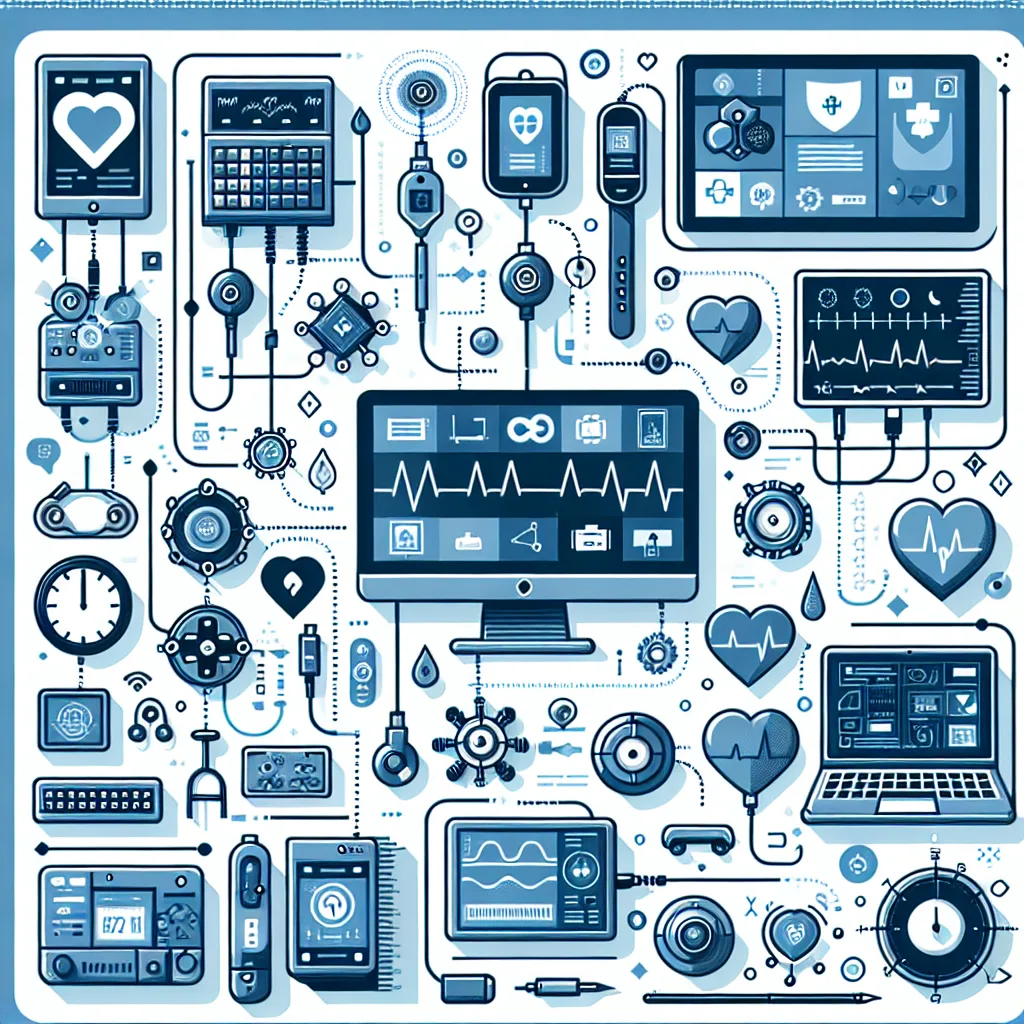
Healthcare providers using remote monitoring systems report significant improvements in patient care quality and clinical outcomes. Early detection of health deterioration allows for prompt help. This can prevent emergency situations and reduce hospital readmissions. The continuous nature of remote monitoring provides healthcare providers with comprehensive patient data. This supports more accurate diagnoses and personalized treatment plans. Medication adjustments can be made based on real-time patient responses. This is better than relying on patient memories during office visits. Patient engagement also improves when individuals can see their own health metrics. They understand how lifestyle choices affect their wellbeing. Many remote monitoring systems include patient portals that display health trends and provide educational resources. This empowers patients to take active roles in managing their health.Building a Connected Health Ecosystem
Connected health represents the meeting of M2M technology, healthcare services, and patient engagement platforms. These form integrated ecosystems that support comprehensive care delivery. These ecosystems connect patients, healthcare providers, medical devices, and health information systems through standardized communication protocols. The healthcare system benefits from connected health ecosystems by gaining visibility into population health trends and individual patient needs. Data gathered from multiple sources provides insights that support public health initiatives and resource allocation decisions. Healthcare organizations can identify high-risk patient populations and implement targeted help. This improves health outcomes while controlling costs. Health technologies within connected ecosystems must work together seamlessly to provide value to patients and healthcare providers. Wearable devices, home monitoring equipment, and mobile health applications need to share data effectively. They must maintain patient privacy and security requirements.Integration Challenges and Solutions
Creating effective connected health ecosystems requires addressing significant technical and organizational challenges. Device interoperability remains a primary concern. Different manufacturers often use proprietary communication protocols that prevent seamless data sharing. Healthcare organizations must also consider data security and patient privacy requirements when implementing connected health solutions. Patient data transmitted through M2M networks requires encryption and secure storage systems. These must comply with healthcare regulations while remaining accessible to authorized users. Workflow integration represents another challenge. Healthcare providers need systems that enhance rather than complicate existing processes. Successful connected health implementations require careful planning and training. This ensures healthcare professionals can effectively use new capabilities.Improving Patient Outcomes Through Digital Health
Digital health technologies powered by M2M connectivity enable healthcare providers to improve patient outcomes. They use personalized, data-driven care approaches. Real-time health data collection allows for treatment adjustments based on patient responses rather than general protocols. This leads to more effective help. Patients and healthcare providers benefit from improved communication enabled by connected devices. Automatic data transmission eliminates the need for patients to remember and report health information accurately. Healthcare providers can identify concerning trends before patients notice symptoms. The ability to monitor patients continuously outside healthcare facilities enables early detection of health problems. These might otherwise go unnoticed until they become severe. This proactive approach to patient care reduces emergency help and hospitalizations while improving overall health outcomes.Personalized Treatment Approaches
M2M technology enables healthcare providers to develop personalized treatment plans based on individual patient data rather than population averages. Continuous monitoring reveals how patients respond to specific medications, lifestyle changes, and treatment protocols. This allows for precise adjustments that optimize effectiveness. Medication management improves significantly when healthcare providers can monitor patient compliance and body responses in real-time. Smart pill dispensers can track medication adherence while connected monitoring devices can measure treatment effectiveness. This enables healthcare providers to adjust dosages and timing for optimal results. Patient experience improves when individuals receive care tailored to their specific needs and preferences. Connected health technologies can accommodate different communication preferences, monitoring requirements, and treatment goals while maintaining high standards of care quality.Expanding Healthcare Access with Telehealth Solutions
Addressing Healthcare Disparities
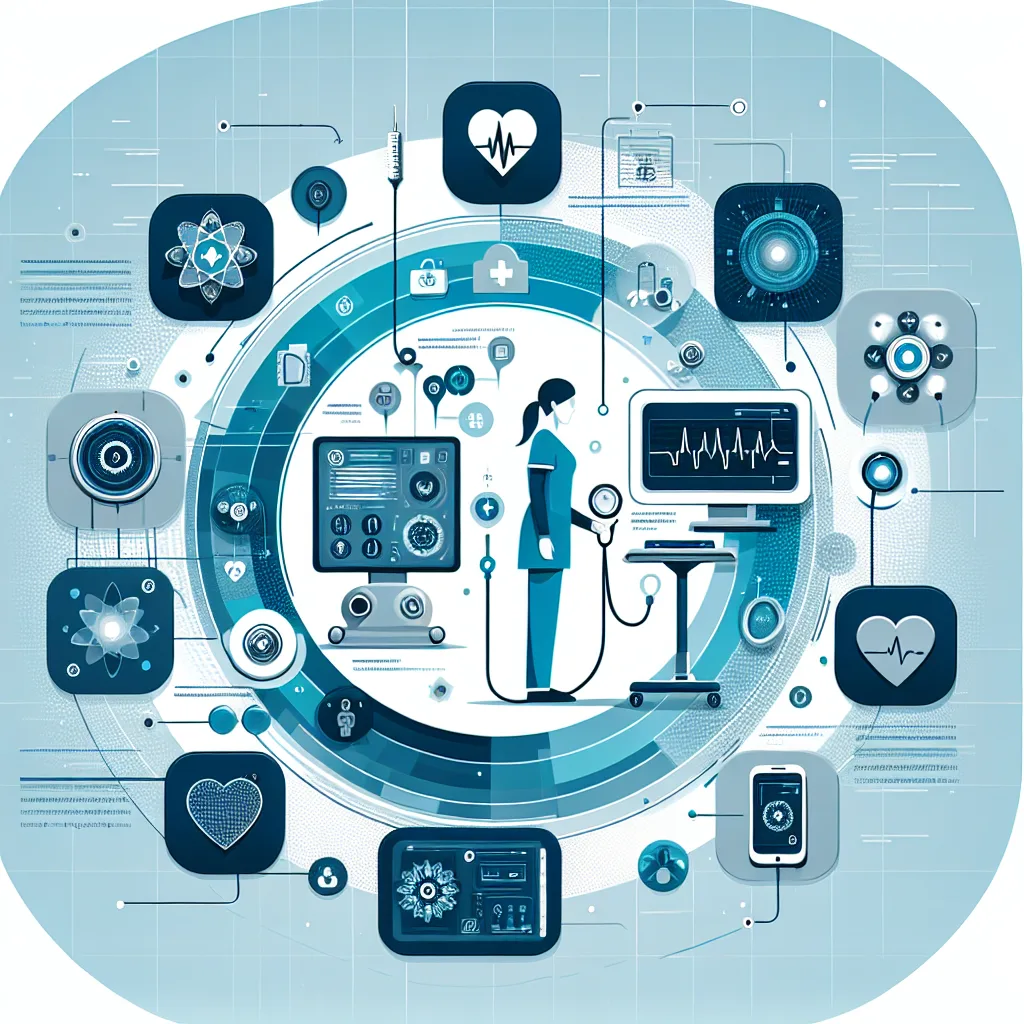
Connected health technologies help address longstanding healthcare disparities. They provide equal access to medical expertise regardless of location or economic status. Specialists can provide consultations to patients in remote areas who previously had no access to specialized care. Access to medical care improves when technology eliminates traditional barriers. These include transportation challenges, work schedule conflicts, and childcare requirements. Patients can receive care at home using connected monitoring devices. They maintain regular communication with healthcare providers through telehealth platforms. Healthcare professionals can extend their expertise to larger patient populations without geographic limitations. This improves overall healthcare system efficiency while addressing critical shortages of specialized medical services in underserved areas.Overcoming Implementation Challenges in Healthcare Systems
Implementation of telemedicine and connected health technologies faces several challenges. Healthcare organizations must address these to achieve successful adoption. Technical infrastructure requirements, regulatory compliance, and workflow integration represent primary obstacles. These require careful planning and investment. Healthcare providers must evaluate existing infrastructure capabilities. They must invest in upgrades necessary to support connected health technologies. Network reliability, data security systems, and device integration platforms require significant initial investments. But they provide long-term benefits through improved efficiency and patient care quality. The adoption of telemedicine requires training healthcare professionals to effectively use new technologies. They must adjust traditional care delivery approaches. Change management processes must address both technical and cultural aspects of implementing connected health solutions.Regulatory and Compliance Considerations
Healthcare organizations implementing connected health technologies must navigate complex regulatory requirements. These govern patient data protection, medical device approval, and telemedicine practice standards. Compliance with healthcare regulations requires ongoing attention. Technology capabilities and regulatory frameworks continue to evolve. Patient data security becomes particularly critical when health information is transmitted through M2M networks and stored in cloud-based systems. Healthcare organizations must implement robust cybersecurity measures that protect sensitive information. They must maintain system accessibility for authorized users. Quality assurance processes must be adapted to address unique aspects of connected health technologies. These include device reliability, data accuracy, and communication system performance. Healthcare organizations need comprehensive testing and monitoring protocols that ensure consistent service quality.Transforming Healthcare Access Through M2M Technology
M2M-enabled devices remove geographical barriers that traditionally limit patient care options. Connected medical equipment allows healthcare providers to deliver healthcare services to underserved populations. This creates new pathways for virtual healthcare delivery. The integration of telemedicine with M2M systems establishes robust communication networks. These support continuous patient monitoring and real-time clinical decision-making.
Smart medical devices with M2M connectivity collect and transmit health data automatically. This enables healthcare providers to monitor patients without requiring in-person visits. These systems enhance the quality of care by providing continuous health monitoring and immediate alerts for critical conditions. The technology to enable healthcare providers extends beyond basic monitoring. It incorporates predictive analytics that identify potential health issues before they become emergencies.
Economic Benefits and Global Implementation
Telemedicine's economic impact spans healthcare systems. It reduces operational costs while improving patient outcomes across diverse populations. Remote healthcare delivery minimizes facility overhead expenses and transportation costs for both healthcare providers and patients. Global remote patient monitoring networks demonstrate significant cost savings. Reduced hospital readmissions and emergency room visits contribute to overall healthcare system efficiency.
Telemedicine in India exemplifies successful large-scale implementation. M2M-connected devices bridge healthcare gaps in rural communities with limited medical infrastructure. Telemedicine benefits become evident through improved accessibility to healthcare services for millions of patients. These were previously unable to access specialized care. These implementations showcase how connected devices transform traditional healthcare management approaches. They create sustainable models for delivering comprehensive health services.
IoT in healthcare generates vast amounts of sensitive patient data. This requires secure transmission protocols and robust encryption standards. Healthcare organizations implement advanced cybersecurity measures to protect patient information. They maintain seamless connectivity between medical devices and clinical systems. Healthcare delivery through connected platforms demands stringent data protection policies. These comply with regulatory requirements while preserving system functionality and patient privacy.
Bridging Healthcare Access Gaps Through M2M Technology
M2M connectivity addresses critical gaps in healthcare delivery. It enables seamless communication between medical devices and healthcare systems. Telemedicine enables patients in rural or underserved areas to receive quality care. They don't need to travel long distances to consult with healthcare providers. This technological integration directly tackles rising healthcare costs. It expands access to healthcare facilities through virtual channels.
Telemedicine practice relies heavily on remote monitoring devices. These continuously collect and transmit patient data to medical professionals. These connected systems use technology to enable real-time assessment and intervention. This changes how healthcare is delivered. Remote patient management becomes more effective when M2M networks ensure reliable data transmission from patient homes to clinical decision-makers.
Healthcare and medical institutions now leverage telemedicine and mobile health platforms to provide comprehensive evaluation of patient conditions. This doesn't require physical visits. The transforming health care landscape demonstrates how connected devices create better health outcomes for patients. This happens through continuous monitoring and timely help. Recent advancements in telemedicine showcase the powerful impact on patient care. This happens when M2M technology supports seamless data flow between devices and providers.
Optimizing Care Delivery Through Connected Infrastructure
Modern health care delivery systems depend on robust M2M networks to support the diverse services offered by telemedicine platforms. Connected medical devices create an ecosystem where healthcare for patients extends beyond traditional clinical boundaries. This shift demonstrates how M2M communication transforms the ways that quality care reaches those who need it most.
Frequently Asked Questions
How do M2M technologies improve healthcare delivery compared to traditional methods?
M2M technologies enable continuous monitoring and real-time data transmission. This allows healthcare providers to detect health changes early and help before conditions become severe. This proactive approach improves patient outcomes while reducing healthcare costs through prevention rather than reactive treatment. Connected devices also eliminate manual data entry errors and provide objective health metrics that support more accurate diagnoses.
What are the main benefits of telemedicine for patients and healthcare providers?
Telemedicine improves healthcare access by eliminating geographic barriers and reducing travel requirements for patients. Healthcare providers can serve larger patient populations more efficiently while patients receive convenient care from home. The integration of connected monitoring devices with telehealth platforms ensures comprehensive care delivery that matches the quality of in-person visits.
How does remote patient monitoring help manage chronic conditions?
Remote monitoring provides continuous oversight of patients with chronic conditions. This enables healthcare providers to track disease progression and medication effectiveness in real-time. This approach allows for timely treatment adjustments that prevent complications and hospitalizations. Patients with chronic diseases benefit from consistent healthcare support without frequent clinic visits.
What challenges do healthcare systems face when implementing connected health technologies?
Healthcare systems must address technical infrastructure requirements, regulatory compliance, and workflow integration when implementing connected health solutions. Device interoperability, data security, and staff training represent primary challenges. Healthcare organizations need comprehensive planning and investment to successfully integrate these technologies with existing healthcare delivery systems.
How do connected devices ensure patient data security and privacy?
Connected healthcare devices use encryption protocols and secure communication networks to protect patient data during transmission and storage. Healthcare organizations implement access controls, audit trails, and compliance monitoring to ensure patient privacy requirements are met. Regular security assessments and updates maintain protection against evolving cybersecurity threats.
What role does M2M technology play in the future of healthcare?
M2M technology represents the foundation for transforming healthcare from reactive to preventive care models. The future of healthcare will rely heavily on connected health technologies that enable continuous monitoring, personalized treatment approaches, and improved healthcare access. As global healthcare needs continue to grow, M2M-enabled solutions provide scalable approaches to delivering quality care efficiently.
How do M2M devices improve access to healthcare in remote areas?
M2M devices eliminate geographical barriers by enabling remote healthcare delivery to patients in underserved regions. Connected medical equipment transmits real-time health data to healthcare providers. This allows virtual healthcare consultations and continuous monitoring without requiring patients to travel long distances. This technology significantly expands accessibility to healthcare services for populations previously limited by distance or transportation challenges.
What are the main benefits of integrating telemedicine with M2M technology?
The integration of telemedicine with M2M connectivity enhances the quality of care through continuous patient monitoring and real-time data transmission. Healthcare providers and patients benefit from improved communication, reduced costs, and faster response times to medical emergencies. Telemedicine for healthcare creates efficient workflows that optimize resource allocation while maintaining high standards of patient care.
How does IoT technology protect sensitive patient information in telemedicine systems?
IoT in healthcare implements multiple security layers to protect sensitive patient data during transmission and storage processes. Connected devices use encrypted communication protocols and secure authentication methods to prevent unauthorized access to medical information. Healthcare management systems incorporate advanced cybersecurity measures that comply with regulatory standards while maintaining seamless connectivity for clinical operations.
What economic advantages does telemedicine offer healthcare systems?
Telemedicine's economic impact includes reduced operational costs, decreased hospital readmissions, and improved resource utilization across health services. Global remote patient monitoring systems demonstrate significant cost savings through preventive care and early intervention strategies. Technology to enable healthcare providers reduces infrastructure requirements while expanding service capacity. This creates sustainable models for efficient healthcare delivery.
How do M2M networks improve telemedicine services for patients in remote areas?
M2M networks enable reliable connectivity between remote monitoring devices and healthcare providers. This ensures that telemedicine enables patients in underserved locations to receive continuous care. These networks support telemedicine practice by maintaining stable data transmission even in areas with limited infrastructure. The result is expanded access to healthcare facilities through virtual connections that bridge geographical barriers.
What role does M2M technology play in reducing healthcare costs?
M2M connectivity directly addresses rising healthcare costs by enabling remote patient management. This reduces the need for frequent hospital visits and readmissions. Connected devices support telemedicine and mobile health initiatives that deliver healthcare for patients more efficiently than traditional in-person models. This use of technology to enable virtual care creates better health outcomes for patients while significantly lowering overall treatment expenses.
How are connected devices transforming traditional healthcare delivery methods?
Connected devices are transforming health care by enabling continuous evaluation of patient conditions through automated monitoring and data collection systems. Advancements in telemedicine, powered by M2M networks, allow healthcare providers to offer more personalized and responsive care. This evolution in how healthcare is delivered demonstrates the significant impact on patient outcomes when technology bridges gaps in healthcare delivery.
What advantages does M2M connectivity offer for healthcare providers using telemedicine?
M2M connectivity enhances health care delivery by providing healthcare providers with real-time patient data. It enables immediate response to critical changes in patient status. The services offered by telemedicine platforms become more comprehensive when supported by reliable M2M networks. These ensure seamless device communication. This technological foundation allows providers to consult with healthcare providers remotely while maintaining the same level of care quality as in-person visits.
The convergence of telemedicine and M2M technology represents a shift in healthcare delivery. It benefits patients, healthcare providers, and healthcare systems alike. Connected devices enable continuous monitoring, improve access to care, and reduce costs while maintaining high-quality healthcare standards. Healthcare organizations that embrace connected health solutions will be positioned to meet the growing demands of modern healthcare delivery. They will deliver measurable improvements in patient outcomes across all populations.Related Articles
Data Privacy in Healthcare M2M: HIPAA Compliance Guide
Healthcare M2M systems change patient care through device connectivity. But they create complex challenges for data privacy. The Health Insurance Portab...
M2M for Drug Supply Chain Tracking and Cold Chain Monitoring
M2M for drug supply chain tracking and cold chain monitoring changes how pharmaceutical companies keep products safe during transport and storage. Tempe...
IoT Medical Device Connectivity: Challenges and Solutions
Healthcare transformation through IoT medical device connectivity challenges and solutions represents a critical evolution in modern medical practice. H...