
In this article
Key Takeaways
- M2M communication enables connected devices to exchange data and operate autonomously without human intervention
- The architecture consists of four main layers: device, connectivity, data processing, and application layers
- Communication protocols like MQTT, CoAP, and HTTP facilitate secure data transmission between machines
- M2M systems use various connectivity options including cellular, WiFi, and specialized IoT networks
- Real-time data collection and processing enable automation, predictive maintenance, and energy optimization
- M2M applications span industries from smart meters to industrial monitoring systems
M2M communication forms the backbone of modern IoT systems. It allows devices to exchange data and make decisions without human help. These systems can monitor, analyze, and respond to changing conditions right away.
The design behind M2M systems powers everything from smart cities to factory automation. When devices can talk directly to each other and central systems, they create networks that improve operations and cut costs.
Table of Contents
- What is M2M Communication?
- M2M System Architecture
- Communication Protocols in M2M
- Connectivity Options for M2M Networks
- Data Flow Process in M2M Systems
- Real-World M2M Applications
- Frequently Asked Questions
What is M2M Communication?
M2M communication means direct communication between machines. It helps them share information and work together without people watching. This technology creates the base for the internet of things. Connected devices work together to automate tasks and improve performance.
Machine-to-machine communication creates smart networks. A sensor that checks temperature can send readings to a control system. The control system then changes heating or cooling based on set rules. This automation removes the need for constant human watching. It ensures the best conditions at all times.
M2M and IoT technologies work together. M2M focuses on direct communication between specific devices. IoT includes broader systems of smart devices. Companies use M2M solutions to improve operations, reduce labor costs, and prevent equipment failures.
M2M System Architecture
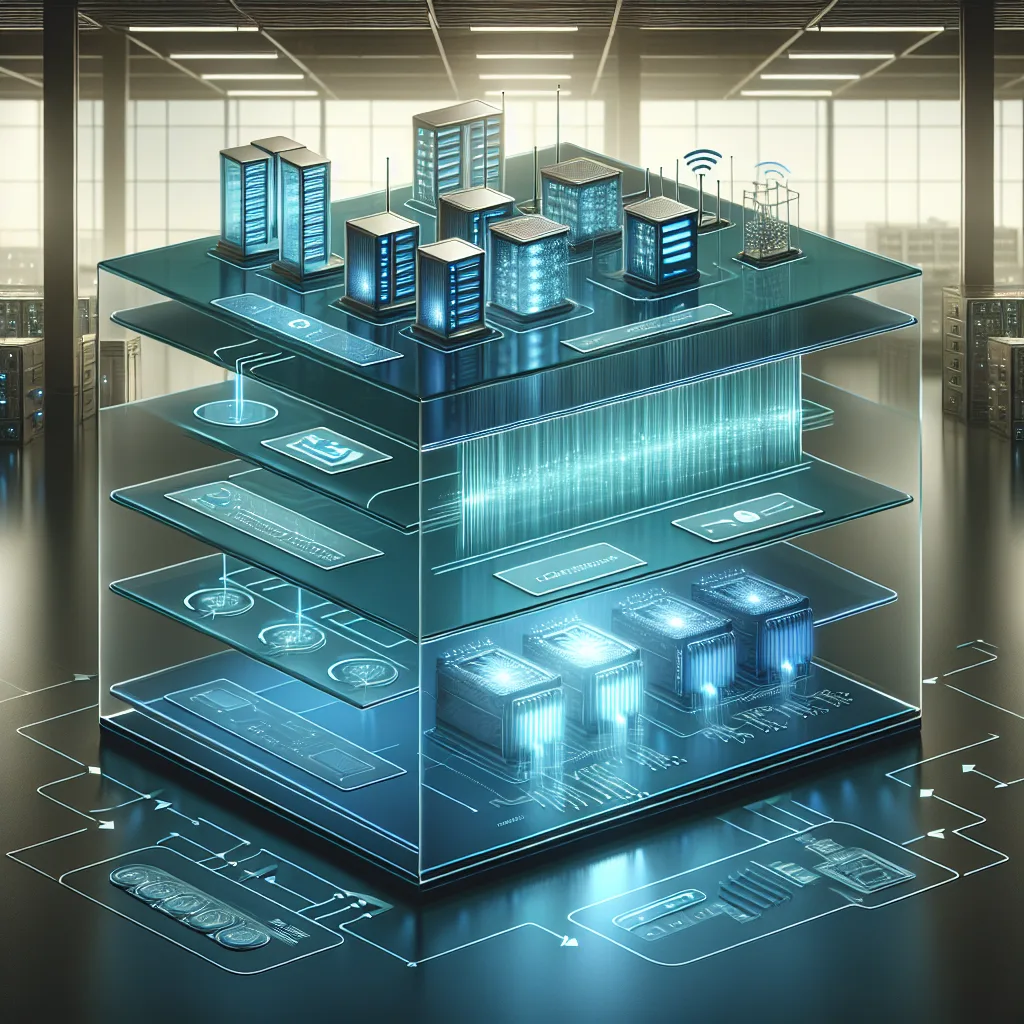
M2M systems have four layers that work together. They enable smooth communication and data processing. This layered approach shows how machines can work on their own while staying secure and reliable.
Device Layer
The device layer has the physical parts that collect data and perform actions. This includes sensors that monitor conditions, actuators that control systems, and embedded computers that process information locally. Each device must be able to create, receive, or process data for its tasks.
Connectivity Layer
The connectivity layer handles how devices connect to the M2M network. This layer manages wireless and wired connections. It ensures reliable data transfer between machines. Network protocols at this level help devices find each other and keep communication links working.
Data Processing Layer
The data processing layer turns raw information into useful insights. This layer performs real-time analysis and makes decisions based on incoming data streams. Advanced processing helps systems learn from patterns and get better over time.
Application Layer
The application layer connects M2M systems to people and other business systems. This layer shows data in useful formats and allows configuration changes. It integrates with existing business software. The application layer ensures M2M communication creates real business value.
Communication Protocols in M2M
M2M communication protocols define the rules that help devices understand each other. They enable effective information exchange. These protocols balance energy use, data speed, and network reliability to support different IoT applications.
MQTT (Message Queuing Telemetry Transport) is one of the most popular protocols for M2M applications. This lightweight protocol works well when devices have limited processing power or run on battery power. MQTT uses a publish-subscribe model. This allows multiple devices to share information efficiently through a central broker.
CoAP (Constrained Application Protocol) meets the needs of devices with limited resources in IoT networks. Unlike regular web protocols, CoAP saves energy and uses less bandwidth. It still works with existing internet systems. This makes CoAP perfect for applications where devices need to run for years on one battery.
HTTP remains useful for M2M applications that need broad compatibility. Many cellular-connected devices use standard HTTP protocols to send data to cloud platforms. They use existing web systems and security models.
Connectivity Options for M2M Networks
The choice of connectivity technology affects how an M2M network performs and grows. Different options offer trade-offs between range, power use, data rates, and cost. This makes some technologies better for specific uses.
Cellular Networks
Cellular connectivity provides wide coverage and reliable connections. It works for M2M applications that need to operate across large areas. Modern cellular networks support special IoT protocols. These reduce energy use and let devices sleep for long periods while staying connected. This makes cellular ideal for fleet tracking, remote meter reading, and environmental monitoring.
Short-Range Wireless Technologies
WiFi and Bluetooth work for M2M applications within limited ranges. They offer high data rates and low delay. These technologies work well for smart building automation. Devices operate within a small area and can use local network systems.
Low-Power Wide Area Networks (LPWAN)
LPWAN technologies bridge the gap between short-range and cellular networks. They offer long range with minimal energy use. These networks excel for applications that need to send small amounts of data over long distances. Examples include farm monitoring or smart city sensor networks.
Data Flow Process in M2M Systems
The data flow process shows how information moves through M2M systems. This enables automation and decision-making. The process starts when sensors detect changes in their environment or receive commands from other system parts.
Data collection starts at the device level. Sensors measure things like temperature, pressure, vibration, or location. These devices convert signals into digital data. This data can be processed and sent through the M2M network. The quality of this initial data collection affects the entire system's performance.
Once collected, data must be sent to processing systems. These systems analyze the information and decide on proper responses. This transmission uses communication protocols that keep data accurate while saving energy and network resources. Reliable data transmission helps systems make decisions based on current conditions.
Real-time data processing allows M2M systems to respond right away to changing conditions. Processing algorithms analyze incoming data streams. They compare values against set limits and trigger automatic responses when needed. This real-time ability enables applications like predictive maintenance. Systems can detect potential failures before they happen and schedule repairs early.
Real-World M2M Applications
M2M applications show the practical value of machine-to-machine communication across many industries. These uses show how connected devices can automate routine tasks. They optimize resource usage and improve efficiency without constant human oversight.
Smart meter systems show successful M2M use in utility management. These devices automatically collect and send energy use data to utility companies. This removes the need for manual meter readings while providing real-time usage information. The data helps utilities optimize grid operations, detect outages quickly, and give customers detailed insights into their energy use patterns.
Industrial monitoring systems use M2M communication to track equipment performance and environmental conditions in manufacturing facilities. Sensors monitor vibration levels, temperature, and other parameters. These show machine health. When values go beyond normal ranges, the system can automatically alert maintenance teams. It can even shut down equipment to prevent damage. This predictive maintenance approach reduces downtime and extends equipment life.
Fleet management represents another major use case. M2M technology helps companies track vehicle locations, monitor driver behavior, and optimize routes in real-time. Connected vehicles send location data, fuel consumption information, and engine diagnostics to fleet operators. They can then make smart decisions about maintenance schedules and route planning to reduce operating costs.
Core Components of M2M Device Architecture
M2M devices form the foundation of modern factory automation systems. They enable machines to share critical operational data without human help. These special parts include sensors, actuators, gateways, and communication modules. They work together to create smooth connectivity. The design allows direct communication between devices across various channels. This removes the need for human oversight in routine data transfers.
Modern M2M technologies use both wired and wireless network systems to establish reliable connections between industrial equipment. A typical wireless network setup supports hundreds of connected devices at once. This enables real-time monitoring of production lines, environmental conditions, and equipment performance. This distributed approach ensures that machines can maintain optimal operation through continuous data exchange.
Security and Protocol Implementation
Secure M2M communication requires strong encryption protocols and authentication methods. These protect data exchange between devices. Key M2M protocols such as MQTT, CoAP, and AMQP provide standard methods for device communication while keeping data accurate. These protocols ensure that sensitive information sent across industrial settings stays protected from unauthorized access.
The relationship between IoT and M2M technologies continues to evolve. Both focus on automating processes through intelligent device connectivity. Machine to machine communication specifically emphasizes direct device interaction. It doesn't require human help for basic operations. Organizations rely on M2M systems to streamline their business processes and reduce operating costs. They do this through automated data collection and analysis.
Advanced M2M designs now support diverse device types. These range from heavy industrial machinery to wearable devices used by field technicians. Data exchange between devices enables predictive maintenance schedules, inventory management, and quality control systems. These operate continuously. This comprehensive approach transforms traditional manual workflows into intelligent, self-managing systems that optimize performance across entire facilities.
Core Components of M2M Architecture
M2M stands for machine-to-machine communication. This enables the automated exchange of data between connected devices without human help. This communication forms the foundation for countless industrial applications. These range from manufacturing automation to infrastructure management. The design has three main layers: device layer, connectivity layer, and application layer. Each serves specific functions in the data transmission process.
At the device level, sensors and embedded systems collect real-time information from their environment. They send it through networks such as cellular, Wi-Fi, or satellite connections. These devices operate continuously. They gather data about temperature, pressure, location, or operational status depending on their specific application. The automated exchange of information between devices eliminates manual data collection processes. It reduces the potential for human error in critical monitoring systems.
How M2M Communication Transforms Industrial Operations
Organizations deploy connected devices that stay connected to the internet or private networks. This enables real-time communication. This connectivity allows for continuous data collection and analysis. This increases efficiency across multiple operational areas. Smart metering systems show this transformation. They automatically send energy consumption data to utility companies without the need for human meter readers.
M2M communication transforms how businesses monitor and control their operations. It uses automated systems that respond instantly to changing conditions. Remote monitoring and control capabilities allow operators to manage equipment from central locations. This enables faster responses to changes in operational parameters. This automated approach enables machines using advanced sensors to detect problems. They trigger corrective actions before problems become costly failures.
Successful implementation depends on smooth integration between hardware, software, and communication protocols. Information exchange between devices must follow standard protocols. This ensures compatibility and reliability across different manufacturers and systems. Data flows between devices through secure channels. These maintain accuracy and prevent unauthorized access to sensitive operational information.
M2M design centers on enabling direct data exchange. This lets machines communicate without constant human oversight. This automated communication reduces the need for manual monitoring and intervention across industrial operations. M2M systems establish standard protocols that allow devices to share operational data, status updates, and control commands smoothly.
When evaluating connectivity options, M2M vs IoT distinctions become crucial for system designers. M2M typically focuses on direct device-to-device communication using dedicated networks. IoT includes broader ecosystem connectivity through internet protocols. Both approaches serve different operational requirements. This depends on the specific industrial application and scalability needs.
Data Processing and Edge Computing Integration
Modern M2M designs include edge computing capabilities. These process data locally before transmission to central systems. This distributed approach reduces bandwidth requirements and enables real-time decision-making at the device level. Edge processing ensures that critical operations continue functioning even when network connectivity has temporary problems.
The integration of edge computing transforms traditional M2M communication from simple data relay systems into intelligent processing networks. Local data analysis enables predictive maintenance, problem detection, and automated responses. This doesn't depend on cloud connectivity. This design evolution significantly improves system reliability and response times for mission-critical applications.
Frequently Asked Questions
How does M2M communication work in simple terms?
M2M communication works by allowing machines to share data directly through network connections. No human involvement is needed. Devices use communication protocols to send sensor readings, status updates, or commands to other machines or central systems. This enables automated responses and decision-making based on real-time conditions across the IoT network.
What are the key components of M2M architecture?
The M2M system design has four main layers: the device layer with sensors and actuators, the connectivity layer managing network connections, the data processing layer analyzing information, and the application layer providing user interfaces. Each layer works together to enable smooth machine-to-machine communication and automation.
Which communication protocols are most commonly used in M2M systems?
The most common M2M communication protocols include MQTT for lightweight messaging, CoAP for limited devices, and HTTP for broader compatibility. These protocols optimize for different requirements like energy consumption, data transmission speed, and network reliability. This depends on the specific IoT application needs.
What connectivity options work best for M2M networks?
M2M networks can use cellular connections for wide-area coverage, wireless technologies like WiFi for local applications, or specialized LPWAN networks for long-range, low-power communication. The choice depends on factors like geographic coverage requirements, energy consumption limits, and data transmission needs of the connected devices.
How do M2M systems enable automation without human intervention?
M2M systems automate processes by programming devices to respond to specific conditions or data patterns. When a sensor detects values outside normal parameters, the M2M system can automatically trigger responses. These include adjusting equipment settings, sending alerts, or activating backup systems. This automation relies on real-time data exchange between machines throughout the network.
What industries benefit most from M2M communication?
Industries that benefit significantly from M2M applications include utilities for smart meter deployment, manufacturing for predictive maintenance, transportation for fleet management, and agriculture for environmental monitoring. These sectors use M2M communication to optimize operations, reduce costs, and improve service reliability through connected devices and automation.
What types of devices can participate in M2M communication?
M2M devices include industrial sensors, smart meters, vehicle telematics units, and wearable devices used in various applications. These devices establish direct communication between devices without requiring human oversight for basic data transmission. Modern implementations support everything from simple temperature sensors to complex robotic systems that exchange operational data continuously.
How do M2M systems maintain security across wireless networks?
Secure M2M implementations use encryption protocols, device authentication, and secure communication channels to protect data accuracy. Key M2M protocols include built-in security features that prevent unauthorized access to sensitive information. Industrial settings require particularly strong security measures due to the critical nature of operational data being transmitted between connected systems.
Can M2M communication eliminate the need for human intervention entirely?
While M2M systems significantly reduce the need for human oversight in routine operations, complete elimination isn't always practical or desirable. These systems excel at automating processes and enabling machines to handle predictable tasks and data exchange without human help. However, strategic decision-making and exception handling typically still require human input to ensure optimal business processes.
What role does real-time monitoring play in M2M architecture?
Real-time monitoring enables immediate detection of system problems and performance variations through continuous data exchange between devices. Organizations rely on M2M systems to provide instant alerts and automated responses when operational parameters exceed predetermined limits. This capability allows devices to maintain optimal performance and prevent costly equipment failures before they occur.
What does M2M stand for and how does it work?
M2M stands for machine-to-machine communication. It represents the automated exchange of information between devices without requiring human help. The system works by connecting sensors, controllers, and other devices to communication networks that transmit data continuously between endpoints. This communication forms the foundation for modern IoT applications across industries.
How do M2M networks enable continuous monitoring?
M2M networks facilitate continuous data collection by keeping devices connected to the internet or private networks at all times. This constant connectivity enables the automated exchange of data between remote sensors and central monitoring systems. This uninterrupted flow of information supports real-time decision-making.
What benefits does M2M communication provide for industrial operations?
M2M communication transforms industrial operations by enabling remote monitoring and control of equipment. No human presence is needed at every location. This technology increases efficiency through faster responses to changes in operational conditions. It reduces manual oversight requirements. Smart metering and other automated systems show how machines using M2M connectivity can optimize resource usage and maintenance schedules.
How do devices communicate in M2M systems?
Devices communicate through networks such as cellular, Wi-Fi, or satellite connections. These facilitate information exchange between devices across various distances. M2M implementation depends on standard protocols that ensure reliable data transmission. The automated exchange of information occurs continuously. This enables data between devices without human monitoring or manual intervention.
What enables machines to communicate effectively in M2M systems?
M2M systems use standard communication protocols and dedicated network infrastructure. This allows machines to communicate directly without human intervention. These protocols define how devices format, transmit, and interpret data exchanges. The design includes authentication mechanisms and error correction to ensure reliable communication between connected devices.
How does M2M communication reduce operational overhead?
Automated M2M communication reduces the need for manual data collection, system monitoring, and routine maintenance checks. Connected devices continuously share operational status and performance metrics. They don't require human operators to physically inspect equipment. This automation enables proactive maintenance scheduling and immediate alerts when systems require attention.
What distinguishes M2M from other connectivity approaches?
M2M vs other communication technologies reveals key design differences in network topology and data handling. M2M systems typically use dedicated communication channels optimized for device-to-device interactions with minimal delay. The design prioritizes reliability and direct connectivity over the broader internet-based approaches used in consumer IoT applications.
M2M communication design provides the foundation for building intelligent, connected systems. These operate efficiently without constant human oversight. By understanding how devices communicate, transmit data, and automate responses, organizations can implement solutions that improve operational efficiency and create new business opportunities. The continued evolution of communication protocols, connectivity options, and processing capabilities will expand the possibilities for M2M applications across all industries. This makes machine-to-machine communication an increasingly critical component of modern business operations.
Related Articles
M2M Terminology Glossary: Every Term You Need to Know
M2M connectivity lets devices or machines interact without human input. Smart meters collect energy use data and send it directly to utility companies. ...
The M2M Market: Size, Growth, and Future Projections
Recent market reports show the M2M sector has reached high levels of maturity and adoption across industries. Recent studies provide comprehensive size ...
M2M Communication Examples in Everyday Life
M2M communication examples are all around us. They work behind the scenes to make our daily lives more efficient and automated. Your smart thermostat ad...