In this article
- M2M vehicle tracking systems use location monitoring technology to provide real-time vehicle location and performance data
- Route optimization through machine-to-machine communication reduces fuel costs and improves delivery efficiency by up to 30%
- Vehicle tracking solutions enable comprehensive monitoring of driver behavior, vehicle maintenance needs, and asset utilization
- Telematics integration with location data creates scalable logistics solutions for businesses of all sizes
- Modern m2m systems combine wireless connectivity, IoT sensors, and single-platform software for complete operations visibility
- Cost savings from automated route optimization and vehicle maintenance management typically pay for system implementation within 12 months
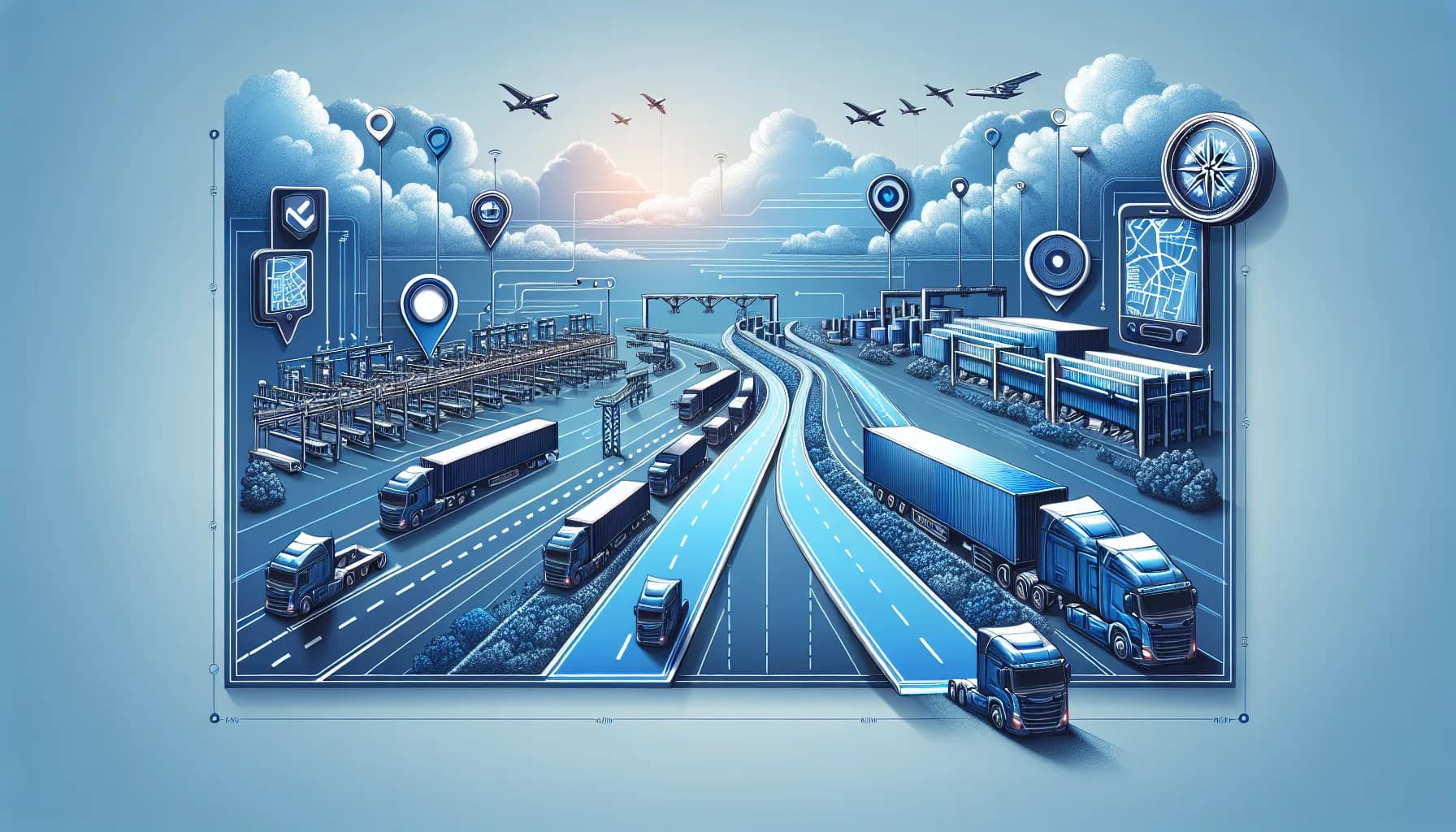
M2M vehicle tracking and route optimization changes how businesses watch and control their moving assets. Modern operations need exact location data, automatic route planning, and real-time insights to stay competitive. Machine-to-machine communication allows smooth data sharing between vehicles, tracking devices, and central systems without human help.
Managers face growing pressure to cut costs while keeping service quality high. Location tracking systems work with m2m technology to give the visibility and control needed to improve every part of operations. From watching driver behavior to scheduling maintenance, these connected solutions deliver clear improvements in efficiency and cost savings.
- How M2M Vehicle Tracking Works
- Location Tracking Fundamentals for Vehicle Management
- Real-Time Monitoring and Asset Management
- Route Optimization Technology and Driver Efficiency
- Connectivity Solutions and System Integration
- Cost Benefits and Logistics Improvements
How M2M Vehicle Tracking Works
M2M vehicle tracking works through connected devices that automatically collect, send, and study vehicle data. Each vehicle has a location-enabled tracking device that talks to cell towers using LTE or other wireless methods. The system constantly sends location coordinates, speed, engine status, and other important information to central servers.
The machine-to-machine setup removes manual data collection while ensuring steady information flow. Vehicle sensors watch engine performance, fuel use, and maintenance indicators. This data streams to management platforms where computer programs process the information and create useful insights.
Managers get alerts for speeding violations, unauthorized vehicle use, or mechanical issues that need immediate attention. M2M sim cards provide reliable connectivity even in remote areas where standard cellular coverage may be limited. These special communication modules keep consistent data transmission across different geographic regions and network conditions.
Location Tracking Fundamentals for Vehicle Management
Location tracking devices form the foundation of modern vehicle management systems. These small units receive signals from multiple satellites to find exact vehicle locations. The accuracy is typically within 3-5 meters. Advanced tracking systems update position data every 10-30 seconds, providing near real-time visibility of vehicle movements.
Vehicle tracking goes beyond simple location monitoring. Modern trackers connect with vehicle systems to capture engine diagnostics, fuel levels, and operational status. This comprehensive data collection enables proactive maintenance scheduling. It also helps prevent costly breakdowns.
Some tracking devices include accelerometers and gyroscopes to monitor harsh driving behaviors. These include sudden braking or rapid acceleration. Location tracking technology has made these systems more affordable and feature-rich.
Today's tracking devices often include backup batteries, tamper alerts, and geofencing capabilities. Operations benefit from detailed historical reports showing travel patterns, stop durations, and route efficiency metrics.
Real-Time Monitoring and Asset Management
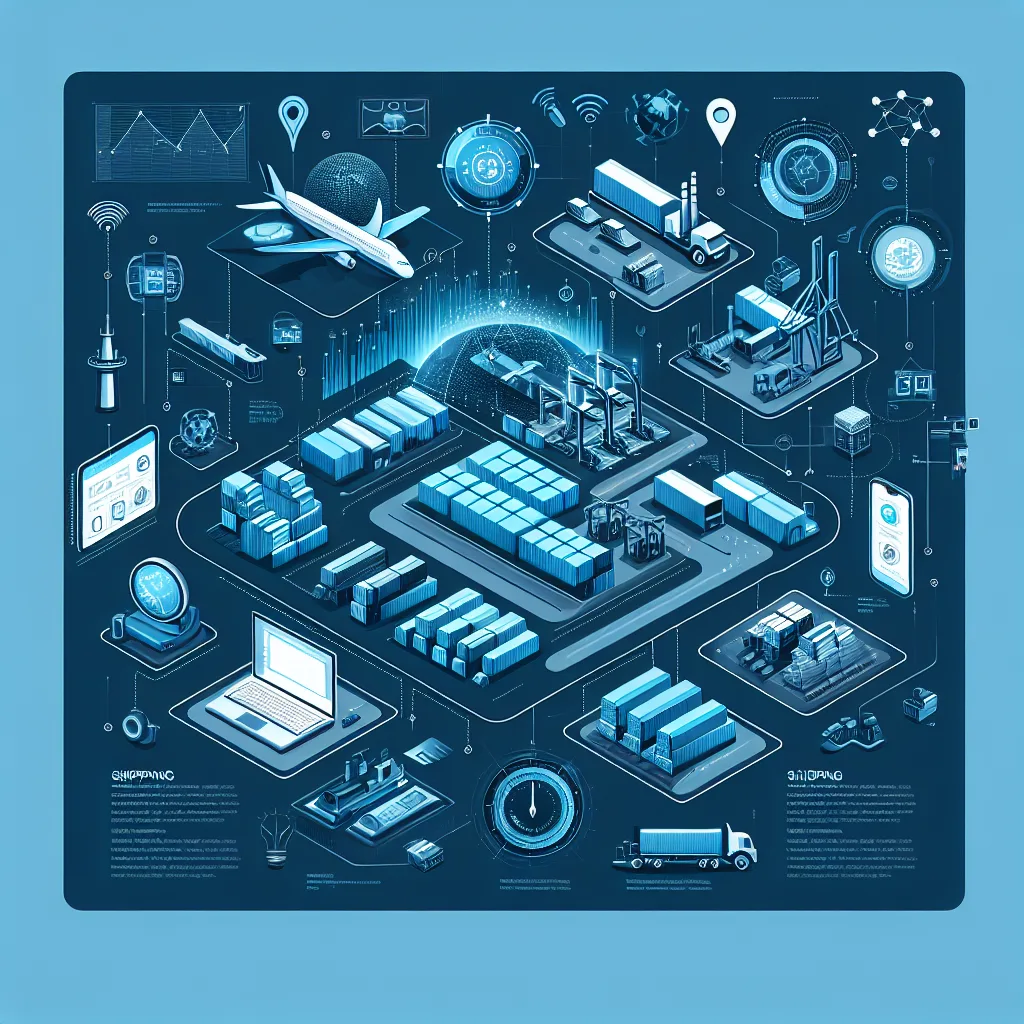
Real-time monitoring capabilities change vehicle management from reactive to proactive operations. Managers can track every vehicle's current location, speed, and operational status through centralized dashboards. This immediate visibility enables rapid response to emergencies, route deviations, or customer service requests.
Asset management extends monitoring beyond vehicles. It includes trailers, equipment, and high-value cargo. Asset trackers provide location updates for non-powered assets while maintaining long battery life through efficient power management.
This comprehensive approach ensures complete visibility across all components. Advanced monitoring systems include dash cameras and additional sensors to capture driver behavior patterns. The integration of multiple data sources creates a complete picture of performance.
Managers receive automated alerts for maintenance needs, unauthorized usage, or safety violations. This enables immediate corrective action.
Route Optimization Technology and Driver Efficiency
Route optimization algorithms study traffic patterns, delivery schedules, and vehicle capabilities. They determine the most efficient paths. These systems consider real-time traffic conditions, road restrictions, and customer preferences to generate optimal routing plans.
Studies show that effective route optimization can reduce fuel consumption by 10-30%. It also improves on-time delivery rates. Driver efficiency improves through automated route guidance and performance feedback.
Location systems provide turn-by-turn directions optimized for commercial vehicles. They consider height restrictions, weight limits, and hazardous material regulations. Drivers receive updates about traffic delays or route changes without manual dispatcher intervention.
The technology continuously learns from historical data to improve future route planning. Machine learning algorithms identify patterns in traffic flow, customer availability, and delivery requirements. This data-driven approach helps logistics teams optimize schedules and reduce unnecessary mileage across their entire operation.
Connectivity Solutions and System Integration
Modern m2m systems require robust connectivity solutions to ensure reliable data transmission. Cellular networks provide primary communication channels. Satellite backup systems maintain connectivity in remote areas. The combination of multiple communication methods creates resilient networks that function regardless of geographic location.
IoT integration enables connection with warehouse management systems, customer relationship platforms, and accounting software. This seamless data exchange eliminates manual data entry while ensuring consistent information across business systems.
Single-platform software solutions provide unified interfaces for managing all vehicle-related activities. This includes dispatching to maintenance scheduling. System integration extends to third-party applications through APIs and data export capabilities.
Managers can include vehicle maintenance management systems, fuel card programs, and regulatory compliance tools. This comprehensive integration creates efficient workflows that reduce administrative overhead and improve operational accuracy.
Cost Benefits and Logistics Improvements
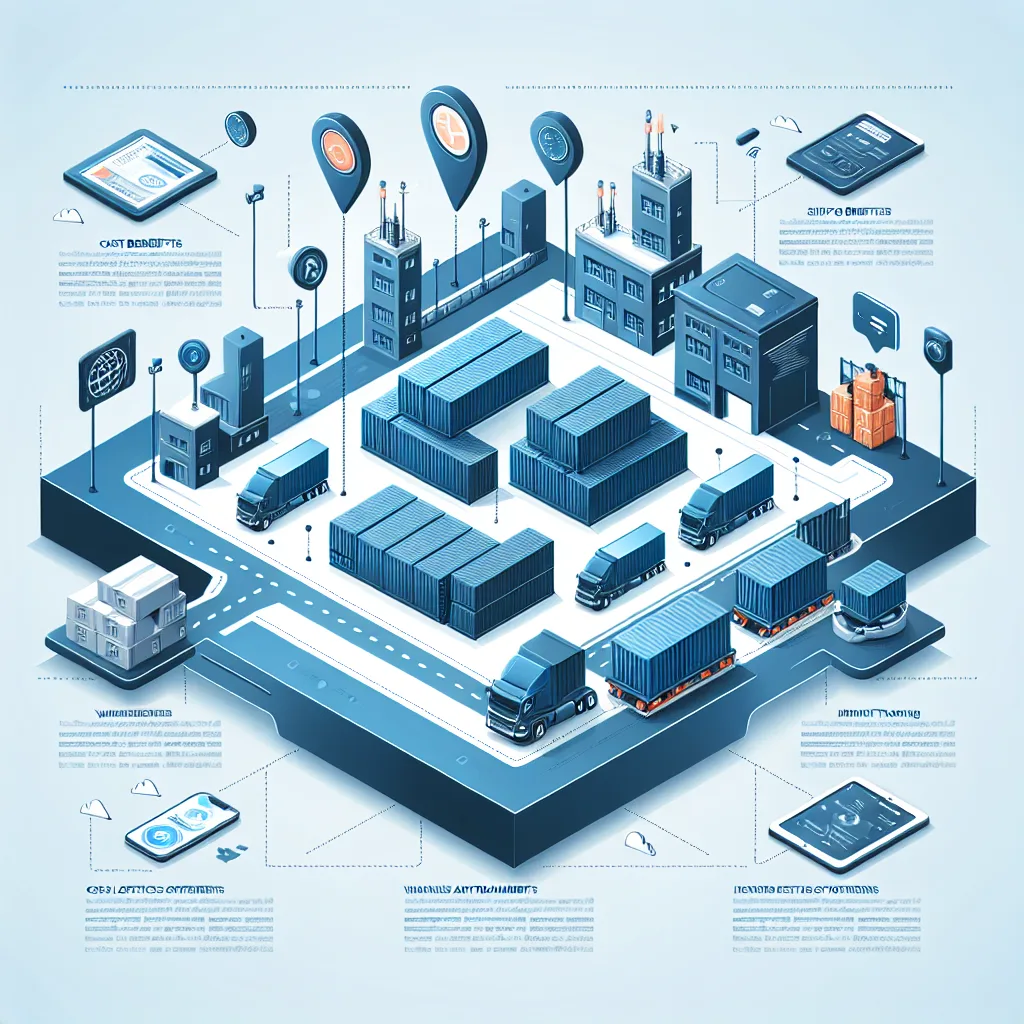
M2M vehicle management delivers measurable cost savings through reduced fuel consumption, lower insurance premiums, and improved vehicle utilization. Automated monitoring identifies inefficient driving behaviors that increase fuel costs and vehicle wear.
Managers can implement targeted training programs based on actual performance data rather than subjective observations. Logistics efficiency improvements stem from better coordination between vehicles, dispatchers, and customers.
Real time updates about delivery status enable proactive customer communication and schedule adjustments. The enhanced visibility reduces delays and improves customer satisfaction ratings. Vehicle maintenance costs decrease through predictive maintenance programs enabled by continuous monitoring.
Systems track engine hours, mileage, and performance parameters to schedule maintenance before failures occur. This proactive approach extends vehicle lifespan while reducing unexpected repair expenses. The scalable nature of m2m solutions means businesses can expand their tracking capabilities as their operation grows without major system overhauls.
M2M vehicle management solutions adapt to serve various industries. These include construction to logistics. Each truck in your operation generates continuous data streams through 4g network connectivity. This enables real-time monitoring of vehicle performance and location.
Modern solutions tailor their monitoring capabilities to match specific industry requirements and operational needs. The m2m in motion approach captures data from vehicles while they travel their designated routes. Advanced telematics platforms track idle time duration. This helps operators identify inefficient practices that drain fuel resources.
Managers can coach drivers to reduce idle periods and improve overall fuel efficiency through actionable insights. A comprehensive platform to manage mixed vehicle operations provides operators with intuitive dashboards. These dashboards monitor driver compliance.
The system automatically tracks hours of service to ensure regulatory compliance across the entire portfolio. This integrated approach delivers significant time savings by automating previously manual reporting processes.
Driver Performance Analytics
Modern M2M systems study driving habits to identify patterns that impact vehicle performance and safety. The right solution monitors acceleration, braking, and cornering behaviors to provide detailed performance reports. These insights empower managers to implement targeted training programs that reduce accidents and maintenance costs.
Shipment Monitoring Integration
Advanced vehicle management platforms combine shipment tracking with vehicle location data to provide complete visibility. Real-time monitoring ensures each shipment reaches its destination on schedule while optimizing route efficiency. This comprehensive approach reduces delivery times and improves customer satisfaction across all operations.
Environmental Impact and Operational Efficiency
M2M vehicle management systems deliver substantial environmental benefits by optimizing vehicle routes and reducing unnecessary mileage. Managers can track emission patterns across their entire operation. They can implement data-driven strategies to minimize fuel consumption and environmental impact.
These systems enable businesses improve their carbon footprint while simultaneously achieving cost savings through more efficient operations. Route optimization algorithms study traffic patterns, delivery schedules, and vehicle capacity to create the most efficient paths for vehicles.
Modern M2M solutions integrate with legacy systems that may still operate on 2g or 3g networks. This ensures comprehensive coverage even in remote areas where newer cellular infrastructure remains limited. This backward compatibility maintains connectivity across diverse operational environments.
Enhanced Communication and Compliance Features
Leading M2M providers offer comprehensive vehicle management solutions that combine location tracking with advanced communication capabilities. These platforms can automatically send alerts via sms or email when vehicles deviate from planned routes, experience mechanical issues, or require scheduled maintenance.
Managers receive real-time notifications that enable immediate response to operational challenges. Modern vehicle management systems seamlessly integrate with smartphones and mobile devices. This allows drivers and dispatchers to access route information and receive updates on the go.
The integration of ELD compliance features ensures that commercial operations meet federal regulations while maintaining detailed records of driver hours and vehicle performance. This enhanced accountability helps operators avoid costly violations and maintains operational transparency across all levels of management.
M2M vehicle management solutions consistently deliver lower costs through reduced fuel consumption, optimized maintenance schedules, and improved asset utilization. Operators can track vehicle performance metrics in real-time and identify opportunities for operational improvements that directly impact the bottom line.
Frequently Asked Questions
Is M2M vehicle tracking and route optimization free?
M2M vehicle management systems typically require monthly subscription fees for cellular connectivity and software access. While initial hardware costs vary, ongoing service fees usually range from $20-50 per vehicle per month. The cost savings from improved operational efficiency often offset these expenses within the first year of implementation.
How do M2M vehicle tracking and route optimization work together?
Location tracking provides real-time vehicle location data while route optimization algorithms use this information to calculate the most efficient paths. The m2m system continuously monitors vehicle movements and automatically adjusts routes based on traffic conditions, delivery priorities, and vehicle availability. This integrated approach maximizes both tracking accuracy and operational efficiency.
Why choose an M2M vehicle tracking and route optimization system?
M2M systems provide automated data collection and analysis without requiring manual intervention. Managers gain complete visibility into vehicle locations, driver behavior, and asset utilization. The machine-to-machine communication ensures consistent monitoring and enables rapid response to emergencies or operational changes.
What connectivity options support M2M vehicle tracking systems?
Most m2m systems use cellular networks including LTE for primary connectivity. Some solutions include satellite communication for remote area coverage. IoT-enabled tracking devices can switch between multiple network providers to maintain consistent connectivity across different geographic regions.
How does vehicle tracking integrate with existing logistics operations?
Modern tracking systems integrate with warehouse management, customer service, and maintenance scheduling platforms through APIs and data sharing protocols. This integration eliminates duplicate data entry while providing comprehensive visibility across all logistics activities. Operations benefit from automated workflows and improved coordination between departments.
What maintenance benefits does vehicle tracking provide?
Vehicle tracking systems monitor engine diagnostics, mileage, and operational parameters to predict maintenance needs. Automated alerts notify managers when vehicles require service based on actual usage data rather than calendar schedules. This predictive approach reduces unexpected breakdowns while extending vehicle lifespan through proper maintenance timing.
How does M2M technology reduce truck idle time?
M2M systems monitor engine status and vehicle location to identify when trucks remain idle for extended periods. Operators receive automated alerts when idle time exceeds preset thresholds, enabling immediate intervention. This real-time monitoring typically reduces unnecessary idling by 20-30% across operations.
Can M2M solutions tailor tracking for different types of vehicles?
Modern M2M platforms offer customizable monitoring parameters for various vehicle types within mixed operations. The system can track different metrics for delivery trucks versus service vehicles, adjusting alerts and reports accordingly. This flexibility ensures each vehicle type receives appropriate monitoring based on its operational requirements.
What network connectivity options work best for tracking hours of service compliance?
4g networks provide the most reliable connectivity for continuous hours of service monitoring and real-time compliance reporting. The robust network connectivity ensures data transmission even in remote areas where vehicles operate. This constant connection enables automatic Electronic Logging Device (ELD) updates required for DOT compliance.
How do M2M systems help coach drivers to improve fuel efficiency?
M2M platforms study driving habits in real-time to identify behaviors that waste fuel. These include aggressive acceleration or excessive speeding. Managers can use this data to coach individual drivers through targeted feedback sessions. The intuitive reporting interface highlights specific areas for improvement, empowering drivers to modify their behavior and reduce fuel consumption.
How do M2M vehicle management systems help businesses improve their environmental performance?
M2M systems optimize vehicle routes to reduce unnecessary mileage and minimize fuel consumption. This directly lowers emission levels across the entire operation. These solutions provide detailed analytics on fuel usage patterns and environmental impact. This enables managers to implement data-driven strategies for sustainable operations. The result is measurable reductions in carbon footprint alongside significant cost savings.
Can vehicle management systems work with older cellular networks?
Yes, many M2M vehicle management solutions maintain compatibility with 2g or 3g networks. This ensures comprehensive coverage in areas where newer cellular infrastructure may be limited. Major IoT providers design their systems to work across multiple network types. This guarantees connectivity even in remote operational areas. This flexibility ensures that vehicle tracking and communication remain reliable regardless of local network conditions.
What communication options are available for operational alerts and notifications?
M2M vehicle management platforms offer multiple communication channels including sms or email alerts. These provide immediate notification of route deviations, maintenance needs, or emergency situations. These systems integrate seamlessly with smartphones and mobile devices. This allows managers to receive and respond to alerts in real-time. The multi-channel approach ensures that critical information reaches the appropriate personnel regardless of their preferred communication method.
How do vehicle management systems support ELD compliance and operational accountability?
Modern M2M solutions include built-in ELD compliance features that automatically track driver hours, vehicle movements, and regulatory requirements to prevent violations. These systems create detailed audit trails and maintain comprehensive records that enhance accountability across all operations. The automated compliance monitoring helps businesses improve their regulatory standing while reducing the administrative burden on managers.
M2M vehicle tracking and route optimization represents a fundamental shift toward automated, data-driven operations. The integration of location technology, wireless connectivity, and intelligent routing algorithms creates comprehensive solutions. These deliver measurable improvements in efficiency and cost control.
Managers who implement these systems gain competitive advantages through better asset utilization, reduced operational costs, and improved customer service capabilities. The scalable nature of m2m technology ensures these benefits grow with expanding operations.
Related Articles
M2M for Container Tracking in Global Shipping
Global shipping moves over 90% of the world's trade. Millions of containers cross oceans daily. M2M for container tracking in global shipping changes ho...
Cold Chain Monitoring with M2M Sensors
Temperature-sensitive products lose billions in value each year. This happens when companies don't monitor cold chains properly. Products like medicines...
M2M in Last-Mile Delivery: Improving Efficiency
M2M systems implement smart combinatorial optimization algorithms to solve the routing problem for last-mile delivery networks. These algorithms analyze...