
In this article
Key Takeaways
- M2M systems consist of three core components: sensors for data collection, networks for communication between machines, and actuators for automated responses
- Sensors convert physical parameters into digital signals, enabling m2m devices to gather real-time data without human intervention
- Communication networks form the backbone of m2m connectivity, supporting everything from cellular networks to short-range wireless protocols
- Actuators complete the m2m loop by executing automated actions based on sensor data and system logic
- Modern m2m applications integrate these components across industrial automation, smart cities, and iot systems
- Understanding each component's role helps optimize m2m system design for specific use cases and requirements
The key components of an m2m system are sensors, networks, and actuators. They work together to enable seamless communication between devices without human help. These three basic elements create the foundation for modern automated device communications. They power everything from industrial automation to smart city infrastructure.
M2m systems have changed how machines communicate. They create automated networks where devices exchange data and respond to changing conditions in real-time. The integration of sensors, communication networks, and actuators enables m2m applications across diverse industries. This includes manufacturing plants that adjust production parameters automatically. It also includes smart buildings that optimize energy consumption based on occupancy patterns.
Table of Contents
- Sensors: The Foundation of M2M Data Collection
- Network Infrastructure for M2M Communication
- Actuators: Enabling Automated M2M Responses
- Integration of M2M System Components
- M2M Applications Across Industries
- Protocol Standards and Communication Methods
- Frequently Asked Questions
Sensors: The Foundation of M2M Data Collection
Sensors serve as the primary data collection points in any m2m system. They convert physical parameters like temperature, pressure, humidity, motion, and light into digital signals. M2m devices can then process and transmit these signals. These components enable automation by providing real-time environmental and operational data without human involvement.
Modern m2m applications rely on diverse sensor types. They monitor different aspects of their operating environment. Temperature sensors in industrial facilities track equipment heat levels. Pressure sensors monitor pipeline conditions in oil and gas operations. Motion sensors detect vehicle movement in fleet management systems. Proximity sensors identify object presence in automated manufacturing lines.
Types of Sensors in M2M Systems
Environmental sensors form a critical category within m2m technologies. They measure atmospheric conditions, air quality, and weather parameters. These sensors enable smart building systems to adjust HVAC settings automatically. They help agricultural m2m applications optimize irrigation schedules based on soil moisture levels.
Industrial sensors focus on machinery performance and operational safety. Vibration sensors detect equipment problems before failures occur. Flow sensors monitor liquid and gas movement through industrial processes. Chemical sensors identify gas leaks or contamination levels. They trigger immediate safety responses through the m2m network.
Network Infrastructure for M2M Communication

The network layer enables communication between machines. It provides the connectivity infrastructure that allows m2m devices to exchange data across distances. These distances range from meters to continents. This network infrastructure determines how quickly and reliably information flows between system components.
Cellular networks provide wide area coverage for m2m connectivity. They support applications where devices are spread across large areas. Industrial automation systems often use ethernet networks. These provide high-speed, reliable communication between machines on factory floors. Short-range wireless protocols like Zigbee and Bluetooth enable m2m communication. They work well in smart home environments and personal area networks.
Network Selection for M2M Applications
Choosing the right network depends on several factors. These include data transmission requirements, power consumption constraints, coverage area, and cost considerations. Long-range m2m applications in remote monitoring scenarios often rely on satellite networks. This happens when cellular coverage is not available. Local area networks support high-bandwidth industrial automation systems.
The internet of things has expanded network options for m2m systems. It introduced low-power wide area networks (LPWAN). These networks balance coverage and energy efficiency. They support battery-powered m2m devices that operate for years without maintenance. This makes them ideal for environmental monitoring and asset tracking applications.
Actuators: Enabling Automated M2M Responses
An actuator converts digital control signals into physical actions. It completes the automation loop in m2m systems. When sensors detect specific conditions, the network transmits this data to control systems. Then actuators execute the programmed responses without human help.
Electric actuators control motors, valves, and switches. They respond to m2m communication signals. Hydraulic actuators provide high-force mechanical movement in heavy industrial applications. Pneumatic actuators offer rapid response times for manufacturing automation. These components enable m2m systems to modify physical processes based on real-time sensor data.
Actuator Integration in M2M Networks
Modern m2m applications integrate actuators with feedback sensors. This creates closed-loop control systems. A valve actuator in a water treatment facility receives commands through the m2m network. It adjusts its position and reports back its actual status. This confirms proper operation. This feedback system ensures reliable automation. It enables remote monitoring of actuator performance.
Machine learning algorithms increasingly influence actuator control in advanced m2m systems. They analyze historical sensor data to optimize automated responses. These intelligent systems learn from past performance. They improve future actuator actions. This enhances overall system efficiency and reduces energy consumption.
Integration of M2M System Components
The components of an m2m system work together through carefully designed m2m architecture. This ensures reliable data flow and coordinated responses. Sensors feed data into processing units. These units analyze information and send control commands to actuators through the communication network.
M2m connectivity requires standardized interfaces between components. This enables devices from different manufacturers to work together. Application programming interfaces (APIs) and standardized communication protocols make this integration possible. They allow sensors from one vendor to work smoothly with actuators from another within the same m2m network.
Data Processing and Decision Making
Edge computing devices within m2m systems process sensor data locally. This reduces network bandwidth requirements. It also enables faster response times. These processing units apply predetermined logic rules or machine learning algorithms to sensor inputs. They determine appropriate actuator responses for each situation.
Cloud-based m2m platforms provide centralized management and advanced analytics capabilities. They collect data from multiple m2m devices to identify patterns and optimize system performance. This architecture enables scalable m2m system design that can grow with expanding operational requirements.
M2M Applications Across Industries
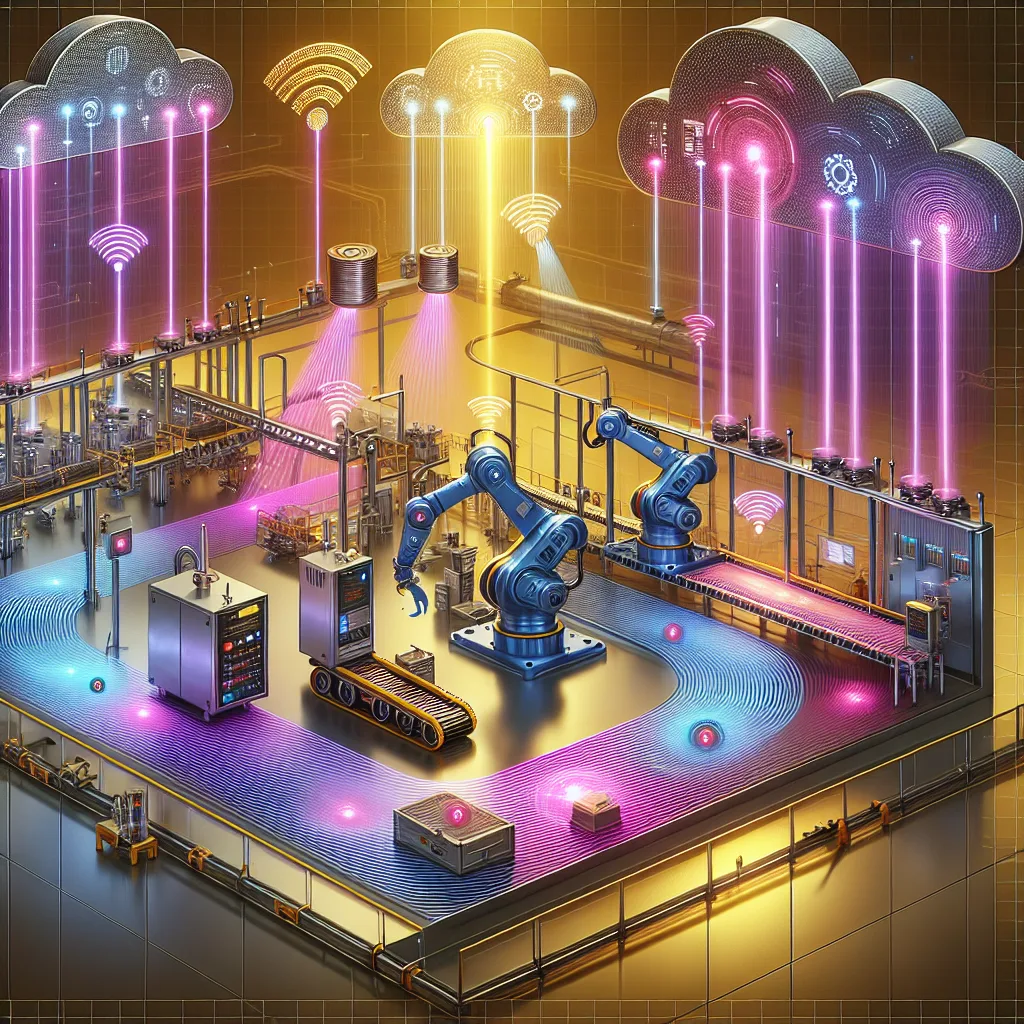
Industrial automation represents one of the largest application areas for m2m technologies. Sensors monitor production equipment. Networks coordinate manufacturing processes. Actuators control machinery operations. These systems reduce human error. They improve product quality and increase production efficiency through precise automated control.
Smart city implementations showcase the versatility of m2m applications across urban infrastructure. Traffic management systems use sensors to detect vehicle flow. They communicate data through municipal networks. They adjust traffic light timing through automated actuators. Environmental monitoring networks track air quality and noise levels. They automatically adjust city services based on real-time conditions.
Healthcare and Remote Monitoring
Healthcare m2m applications monitor patient vital signs through wearable sensors. They transmit data to medical facilities via cellular or WiFi networks. They trigger alert systems when abnormal conditions are detected. These systems enable continuous patient monitoring without human oversight. They improve care quality while reducing healthcare costs.
Remote asset monitoring demonstrates how m2m systems track equipment performance across distributed locations. Oil and gas companies deploy sensors on pipeline infrastructure. They communicate status data through satellite networks. They automatically shut valves through remote actuators when leaks are detected.
Protocol Standards and Communication Methods
Communication protocols define how m2m devices exchange information across networks. They ensure compatibility between different system components. MQTT (Message Queuing Telemetry Transport) protocol enables lightweight messaging for m2m communication. CoAP (Constrained Application Protocol) optimizes data exchange for resource-limited m2m devices.
Industrial protocol standards like Modbus and OPC UA make m2m communication possible in manufacturing environments. They enable sensors, controllers, and actuators from different vendors to work together smoothly. These communication protocols support both wired and wireless network configurations. This provides flexibility in system design.
Security in M2M Communications
M2m security protocols protect data transmission between system components. They prevent unauthorized access to sensor data and actuator controls. Encryption standards ensure that communication between devices remains secure. Authentication mechanisms verify the identity of each m2m device in the network.
Zero trust security approaches are increasingly important in m2m systems. Every device must prove its identity before gaining network access. This security model protects against compromised sensors or actuators that could disrupt system operations.
Integration of IoT and M2M Systems
The difference between iot and m2m reveals important distinctions. Both technologies enable automated data exchange. However, M2M focuses specifically on direct communication between devices without human help. The m2m architecture in iot forms the backbone of smart systems. Automated device communication drives real-time decision-making. This integration allows iot and m2m technologies to work together smoothly. It creates more robust and efficient automated networks.
The components of m2m systems work together to establish reliable m2m connections across various industrial applications. Key m2m elements must include sensors that gather environmental data. They need communication networks that transmit information. They also need actuators that execute commands based on received data. A comprehensive m2m system include sensors as the primary data collection points. It also includes communication protocols for data transmission and processing units that analyze incoming information.
Network Infrastructure and Communication Protocols
Modern m2m connections rely on diverse communication pathways. These include cellular or wired networks. They ensure continuous data flow between connected devices. Automated device networks use various protocols such as MQTT, CoAP, and HTTP. These protocols make efficient data exchange possible across different platforms. The flexibility of these networks enables m2m technology to adapt to specific application requirements. This works whether in manufacturing, healthcare, or transportation sectors.
Automated device technology enables autonomous operation across multiple types of m2m implementations. These range from simple sensor monitoring to complex industrial automation systems. This technology supports various devices and applications. It allows organizations to deploy scalable solutions that grow with their operational needs. M2m enables organizations to reduce manual oversight. At the same time, it maintains precise control over critical processes through automated responses and real-time monitoring.
The expanding scope of m2m and iot applications shows how these technologies transform traditional business operations. They create smart, connected ecosystems. Iot devices integrate smoothly with M2M infrastructure. This creates comprehensive monitoring and control systems that span entire facilities or geographic regions. Future m2m developments will incorporate 5G networks and edge computing. These will further enhance the capabilities and responsiveness of automated device communications.
Automated device communication refers to direct communication between connected devices without human help. This communication enables devices to exchange data, monitor conditions, and trigger automated responses across industrial environments. M2M technology enables devices to form intelligent networks. These can adapt to changing operational requirements while maintaining continuous connectivity.
M2M communication optimizes system performance. It establishes smooth data flows between sensors and actuators through dedicated communication channels. The meaning of automated device communication extends beyond simple data transfer. It includes complete autonomous decision-making processes. This intelligent coordination allows sensors to collect environmental data and instantly relay commands to actuators. This creates responsive industrial ecosystems.
M2M communication protocols form the backbone of reliable device interactions. They support both wired and wireless communication channels across diverse industrial applications. Networks like cellular, Wi-Fi, and Ethernet provide the infrastructure. This enables communication between M2M applications operating at different system levels. The functioning of M2M systems depends on these protocols. They maintain consistent data integrity and timing precision between connected components.
Network Architecture and Security Framework
A robust M2M architecture consists of multiple layers. These handle device connectivity, data processing, and application management within industrial environments. The potential of M2M systems reaches its peak when sensors, networks, and actuators work together. They use standardized communication frameworks. M2M plays a crucial role in modern automation. It creates secure, scalable networks that support real-time industrial operations.
M2M security measures include device authentication, data encryption, and network access control. These protect sensitive industrial communications. Ensuring communication security through encryption prevents unauthorized access to critical system data. It maintains operational integrity. M2M security protocols provide enterprise-grade protection for connected sensor and actuator networks.
IoT Integration and Advanced Applications
IoT and M2M communication work together. They create comprehensive industrial monitoring and control systems. These extend beyond traditional automation boundaries. M2M communication enables real-time coordination between distributed sensors and actuators across multiple facility locations. This integration allows industrial operators to implement predictive maintenance strategies. They can optimize resource allocation through intelligent device networks.
M2M technology allows devices to communicate autonomously without human help. It creates intelligent networks that respond to environmental changes in real-time. Modern industrial facilities rely on M2M systems to monitor equipment performance. They predict maintenance needs and optimize operational efficiency across multiple locations. Many M2M deployments combine sensors, gateways, and cloud platforms. They deliver comprehensive monitoring solutions that reduce operational costs by up to 30%.
Cellular M2M connectivity provides robust, wide-area coverage. It enables remote monitoring in locations where traditional networking infrastructure proves impractical. M2M networks support various communication protocols including LTE, 5G, and satellite links. These ensure continuous data transmission even in harsh industrial environments. Devices equipped with M2M capabilities can automatically switch between different network types. They base this on signal strength and data requirements.
Advanced M2M Integration Strategies
Companies use M2M integration to connect legacy equipment with modern IoT applications and services. This creates hybrid systems that maximize existing infrastructure investments. M2M communication involves edge computing devices. These process sensor data locally before transmitting critical alerts to centralized management systems. This approach reduces bandwidth requirements. It ensures M2M systems maintain reliable performance during network disruptions.
Built-in M2M functionality in industrial sensors eliminates the need for separate communication modules. This reduces installation complexity and total system costs. M2M modules integrated directly into manufacturing equipment enable real-time quality control. They allow automatic adjustment of production parameters. M2M affects operational decision-making. It provides managers with instant access to performance metrics and predictive analytics.
M2M systems rely on redundant communication pathways. These maintain connectivity when primary networks experience failures or maintenance outages. Within the M2M network, intelligent routing algorithms automatically redirect data traffic through alternative channels. This prevents information loss. Advanced M2M implementations use AI-driven analytics. These transform raw sensor data into actionable business intelligence. M2M is also essential for regulatory compliance in industries. These require continuous environmental monitoring and automated reporting.
Frequently Asked Questions
What are the main differences between m2m and iot system components?
Both m2m and iot systems use similar components like sensors, networks, and actuators. However, iot applications involve more diverse device types and cloud-based data processing. M2m systems focus on direct communication between devices. The internet of things emphasizes centralized data collection and analysis across interconnected devices.
How do cellular networks support m2m device connectivity?
Cellular networks provide wide area coverage for m2m applications. They enable devices to communicate across long distances without requiring local network infrastructure. M2m sim cards optimize cellular connectivity for automated device communications. They offer features like static IP addresses and specialized data plans designed for automated device communications.
What types of sensors are most common in industrial m2m applications?
Industrial m2m systems commonly use temperature sensors for equipment monitoring. They use pressure sensors for fluid systems, vibration sensors for predictive maintenance, and flow sensors for process control. These sensor types enable comprehensive monitoring of industrial processes without human help.
How do actuators integrate with m2m networks for automation?
Actuators receive control signals through m2m networks. They convert these digital commands into physical actions like opening valves, starting motors, or adjusting mechanical components. The m2m network enables centralized control of distributed actuators. This creates coordinated automation across entire systems.
What communication protocols work best for m2m applications?
The choice of communication protocols depends on specific m2m requirements. MQTT works well for lightweight messaging. Industrial protocols like Modbus support manufacturing automation. Wireless communication protocols like Zigbee enable short-range m2m connectivity. Cellular protocols support wide area m2m applications.
How does machine learning enhance m2m system performance?
Machine learning algorithms analyze sensor data patterns. They optimize actuator responses and predict equipment maintenance needs. These intelligent systems improve m2m performance by learning from operational data. They automatically adjust system parameters for better efficiency and reliability.
What components does an M2M system include for complete functionality?
An m2m system include sensors as the primary data collection components. It includes communication networks for data transmission and actuators for executing automated responses. These core elements work together to create autonomous systems. They can monitor conditions, transmit data, and take corrective actions without human help. The integration of these components enables automated device communication across various industrial and commercial applications.
How do M2M connections utilize different network types?
M2m connections can operate through cellular or wired networks. This depends on the specific application requirements and deployment environment. Automated device networks adapt to available infrastructure. They use Wi-Fi, Ethernet, cellular, or satellite communications to maintain reliable data exchange. The choice of network type affects factors such as data transmission speed, coverage area, and power consumption in the overall system design.
What are the main types of M2M applications in modern industries?
The types of m2m applications span across manufacturing automation, fleet management, smart grid systems, and healthcare monitoring. These devices and applications use automated device technology to enable real-time monitoring, predictive maintenance, and automated control systems. M2m technology enables organizations to improve operational efficiency, reduce costs, and enhance safety across diverse industrial sectors.
How does M2M architecture integrate with IoT systems?
The m2m architecture in iot creates a foundational layer. It supports broader IoT ecosystems through direct device-to-device communication. Iot devices leverage M2M protocols and infrastructure to establish reliable connections and data exchange pathways. This integration allows m2m and iot applications to complement each other. M2M handles direct device communications while IoT manages the broader network intelligence and cloud connectivity.
What does automated device communication mean in industrial systems?
Automated device communication refers to direct automated communication between connected devices without requiring human help. This communication enables devices to exchange operational data, status updates, and control commands through dedicated industrial networks. M2M technology enables devices to form intelligent systems. They can monitor conditions, make decisions, and execute automated responses across manufacturing and industrial environments.
How do M2M communication protocols ensure reliable data transmission?
M2M communication protocols establish standardized rules for data exchange between sensors, networks, and actuators in industrial environments. These protocols support both wired and wireless communication channels. They ensure consistent connectivity across diverse operational conditions. The functioning of M2M systems relies on these protocols. They maintain data integrity, timing precision, and secure transmission between connected components.
What security measures protect M2M industrial networks?
M2M security measures include device authentication, encrypted data transmission, and network access control. These protect industrial communications. Ensuring communication security through encryption prevents unauthorized access to sensitive operational data. It maintains system integrity. M2M security frameworks provide enterprise-grade protection for connected sensor and actuator networks.
How does M2M architecture support industrial automation?
M2M architecture consists of layered components. These handle device connectivity, data processing, and application management within industrial systems. M2M plays a crucial role in automation. It enables smooth communication between M2M applications across different operational levels. The potential of M2M systems reaches maximum effectiveness when sensors, networks, and actuators work together through standardized communication frameworks that optimize industrial processes.
How do M2M modules integrate with existing industrial equipment?
M2M modules connect to industrial equipment through standard interfaces like RS-485, Ethernet, or wireless protocols. This enables legacy machines to transmit operational data. Built-in M2M capabilities in newer equipment eliminate integration complexity. They ensure M2M systems maintain consistent data collection across mixed technology environments.
What communication protocols do cellular M2M networks support?
M2M networks support multiple protocols including LTE Cat-M1, NB-IoT, and 5G. These accommodate different bandwidth and power requirements. Many M2M deployments use adaptive protocols. These automatically switch between cellular technologies based on signal availability and data transmission needs.
How does M2M technology improve IoT applications and services?
M2M technology allows IoT applications to process and respond to sensor data without human help. It creates automated systems that adapt to changing conditions. Companies use M2M integration to connect distributed sensors with cloud-based analytics platforms. This enables real-time decision-making across complex industrial operations.
What happens when devices within the M2M network lose connectivity?
Devices equipped with M2M capabilities include local data storage and intelligent retry mechanisms. These maintain operation during network outages. M2M communication involves edge processing that allows critical functions to continue locally. They automatically reconnect when network service resumes.
The key components of an m2m system are sensors, networks, and actuators. They provide the foundation for designing effective automation solutions. Modern m2m technologies continue evolving. They integrate advanced analytics and improved connectivity to create more intelligent and responsive automated systems. Organizations implementing m2m solutions should consider how sensors, networks, and actuators work together. This helps meet their specific operational requirements and understand the complete scope of m2m communication capabilities.
Related Articles
M2M Terminology Glossary: Every Term You Need to Know
M2M connectivity lets devices or machines interact without human input. Smart meters collect energy use data and send it directly to utility companies. ...
The M2M Market: Size, Growth, and Future Projections
Recent market reports show the M2M sector has reached high levels of maturity and adoption across industries. Recent studies provide comprehensive size ...
M2M Communication Examples in Everyday Life
M2M communication examples are all around us. They work behind the scenes to make our daily lives more efficient and automated. Your smart thermostat ad...