In this article
- M2M technology enables real-time tracking of goods from source to final delivery, eliminating supply chain blind spots
- IoT sensors and connected devices provide continuous monitoring of shipment conditions, location, and potential disruptions
- AI and machine learning algorithms analyze supply chain data to predict bottlenecks and optimize operations
- Comprehensive supply chain visibility reduces inefficiency, improves customer satisfaction, and builds resilience against disruptions
- Integration with existing ERP systems and visibility tools creates a unified view of supply chain operations
- Real-time data enables proactive decision-making and helps anticipate potential disruptions before they impact operations
M2M for supply chain optimization complete network visibility changes how businesses monitor and manage their supply chain operations. Traditional supply chain management relies on broken data sources and manual reporting. This creates blind spots that lead to wasted time and disruptions. M2M technology bridges these gaps by connecting every element of the supply chain through smart sensors and automated communication systems.
Modern supply chain networks span multiple continents. They involve hundreds of suppliers and manage thousands of shipments at the same time. This complexity demands smart visibility tools that can track goods from start to final delivery. They also provide useful insights for decision-making. M2M solutions deliver this capability by creating a steady flow of real-time data across the entire supply chain.
- Real-Time Supply Chain Visibility Through M2M Technology
- AI-Powered Supply Chain Optimization and Predictive Analytics
- Complete Supply Chain Tracking and Monitoring
- Logistics Integration and Automated Decision-Making
- Building Supply Chain Resilience and Sustainability
- Implementation Strategies for M2M Visibility Solutions
Real-Time Supply Chain Visibility Through M2M Technology
Real-time visibility forms the foundation of effective supply chain management. M2M technology creates a connected network of IoT sensors, GPS trackers, and communication devices. These monitor every aspect of supply chain movement. Connected systems generate steady streams of supply chain data. This removes the traditional delays linked to manual reporting and batch updates.
IoT sensors embedded in shipping containers, vehicles, and warehouses capture critical parameters. These include temperature, humidity, shock, and location. This real-time data flows automatically to central platforms. Logistics teams can monitor conditions and respond quickly to changes. For temperature-sensitive pharmaceuticals or perishable goods, this capability prevents spoilage. It also ensures product quality from source to destination.
The change from reactive to proactive supply chain management occurs when organizations implement comprehensive real-time equipment health tracking systems throughout their operations. Real-time tracking extends beyond simple location monitoring. It includes detailed analytics about shipment conditions, vehicle performance, and infrastructure status.
Connected Device Integration
Modern supply chains use IoT devices installed across transportation fleets, warehouses, and distribution centers. These devices communicate through M2M protocols. They provide unified visibility into supply chain operations. Shipment tracking becomes automated. This reduces manual work while improving accuracy and response times.
Integration challenges arise when connecting legacy systems with new M2M infrastructure. Successful implementations require careful planning. This ensures compatibility between existing ERP platforms and new visibility solutions. Organizations must establish data integration protocols that maintain security. They also enable smooth information flow across all supply chain partners.
AI-Powered Supply Chain Optimization and Predictive Analytics
Artificial intelligence transforms raw supply chain data into useful insights. These optimize operations and prevent disruptions. AI algorithms analyze historical patterns, current conditions, and external factors. They predict potential bottlenecks before they impact supply chain performance. Machine learning models continuously improve their accuracy. They do this by processing new data and identifying emerging trends in supply chain visibility.
Predictive analytics powered by AI enable supply chain leaders to anticipate disruptions. These include port congestion, weather delays, or supplier capacity constraints. These insights allow logistics teams to adjust routes and redistribute inventory. They can also communicate proactively with customers. This results in improved customer satisfaction through better delivery reliability. It also reduces costs through optimized resource allocation.
Using AI and machine learning, organizations can analyze complex relationships between multiple supply chain variables. For example, AI systems can correlate weather patterns with transportation delays. They can also link supplier performance metrics with quality outcomes and demand fluctuations with inventory requirements. This comprehensive analysis enables more smart decision-making than traditional rule-based systems.
Machine Learning Applications
Machine learning algorithms excel at identifying patterns within vast datasets. These patterns might escape human analysts. These systems can detect subtle correlations between supplier delivery performance, seasonal demand variations, and external economic factors. Advanced algorithms also learn from past disruptions. They develop more accurate prediction models for future risk assessment.
The implementation of AI and machine learning requires substantial data preparation and model training. Organizations must ensure data quality across all supply chain touchpoints. They also must establish governance frameworks that maintain accuracy and reliability. Successful deployments often begin with specific use cases before expanding to comprehensive supply chain optimization.
Complete Supply Chain Tracking and Monitoring
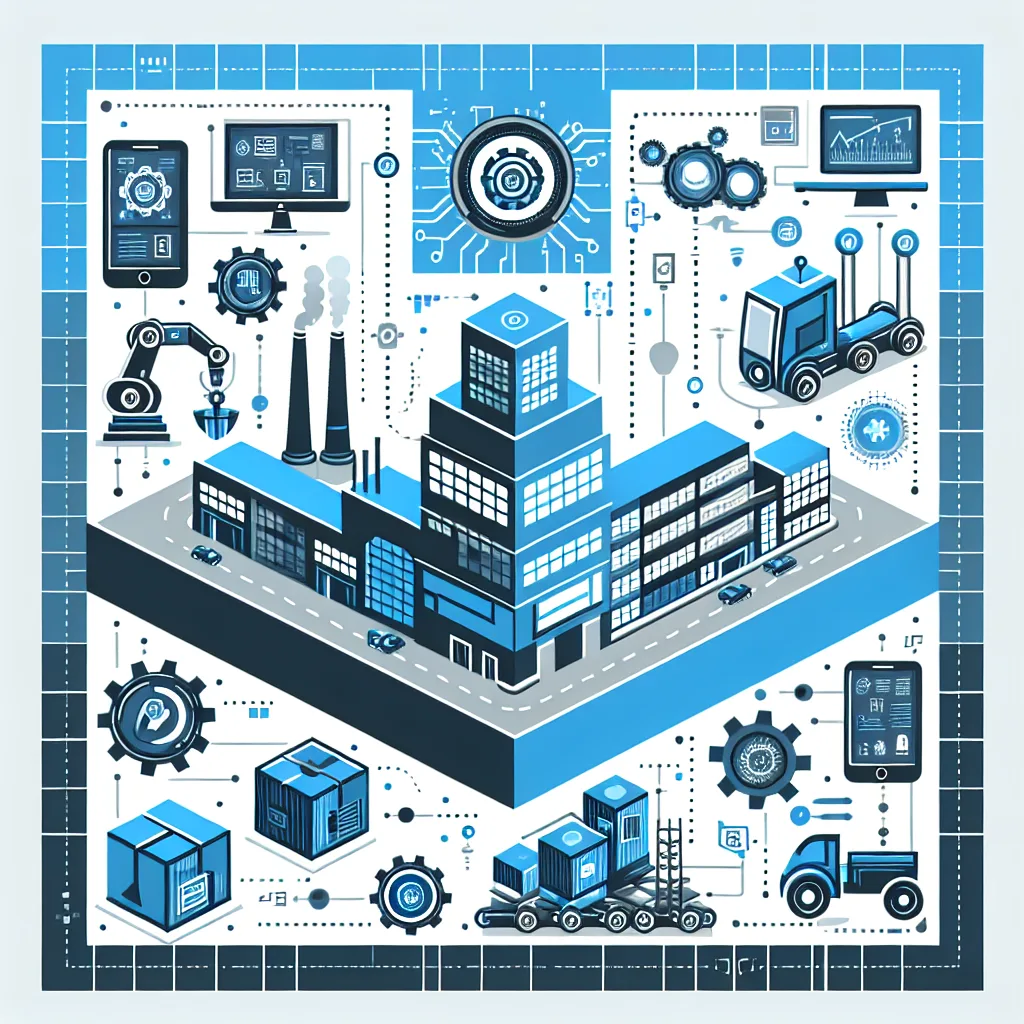
Complete supply chain visibility requires tracking capabilities that span from raw material sourcing through manufacturing, distribution, and final delivery. M2M technology enables this comprehensive monitoring. It creates communication bridges between previously disconnected supply chain segments. Digital twins of physical supply chain assets provide virtual representations. These mirror real-world conditions and enable advanced simulation capabilities.
Comprehensive supply chain monitoring addresses the complexity of global supply chains. These involve multiple transportation modes, border crossings, and regulatory requirements. IoT sensors maintain continuous monitoring regardless of location. M2M communication ensures data transmission even in remote areas with limited connectivity. This capability proves valuable for supply chains that source materials from developing regions. It also helps chains that operate in challenging environmental conditions.
Cold chain monitoring systems demonstrate the practical application of complete tracking in specialized logistics scenarios. These systems maintain temperature integrity throughout the entire supply chain. They also provide detailed documentation for regulatory compliance.
Multi-Modal Transportation Visibility
Complex supply chains often involve multiple transportation modes. These include ocean freight, rail, trucking, and air cargo. M2M technology provides seamless visibility across these different modes. It maintains consistent monitoring and communication standards. Shipment data flows automatically between different carriers and logistics providers. This creates an unbroken chain of visibility.
Integration challenges emerge when coordinating between different logistics providers. They may use incompatible systems. Successful implementations establish common data standards and communication protocols. These enable seamless information exchange. This coordination is necessary for maintaining full visibility across the entire supply chain network.
Logistics Integration and Automated Decision-Making
Advanced M2M systems integrate with existing logistics infrastructure. They automate routine decisions and optimize operations in real time. These systems can automatically reroute shipments around traffic congestion. They can adjust delivery schedules based on customer preferences. They can also optimize warehouse operations based on incoming inventory levels. The automation reduces manual workload while improving response times and operational efficiency.
Integration with enterprise systems enables comprehensive supply chain visibility. This connects operational data with financial and planning systems. This integration provides supply chain insights that support strategic decision-making. It also maintains operational efficiency. Organizations can analyze the financial impact of supply chain decisions while monitoring operational performance in real time.
Automated decision-making systems require careful configuration. They must balance efficiency with flexibility. These systems must handle exceptions and unexpected situations while maintaining operational continuity. Route optimization systems demonstrate how M2M technology can automate complex logistics decisions. They maintain human oversight for critical situations.
System Integration Requirements
Successful M2M implementation requires integration with multiple existing systems. These include warehouse management, transportation management, and customer relationship management platforms. These integrations must maintain data consistency while enabling real-time information flow. Organizations often implement middleware solutions. These translate between different system formats and protocols.
Security considerations become critical when integrating M2M systems with core business applications. Strong encryption protocols protect sensitive supply chain data. They also enable the communication necessary for comprehensive visibility.
Building Supply Chain Resilience and Sustainability
Supply chain resilience depends on the ability to detect and respond quickly to disruptions. M2M technology enhances resilience by providing early warning systems. These identify potential problems before they cascade through the supply chain network. This capability enables proactive responses that minimize impact and maintain operational continuity.
Sustainability initiatives benefit from comprehensive supply chain visibility. This tracks environmental impact throughout the entire logistics network. M2M sensors can monitor fuel consumption, emissions, and energy usage. They also provide data for sustainability reporting and optimization. Organizations can identify opportunities to reduce environmental impact while maintaining operational efficiency.
Supply chain risks extend beyond operational disruptions. They include regulatory compliance, quality control, and financial stability. M2M systems provide the data necessary to monitor these diverse risk factors. They enable coordinated responses across the entire supply chain network. This comprehensive approach to risk management strengthens overall supply chain resilience.
Implementation Strategies for M2M Visibility Solutions
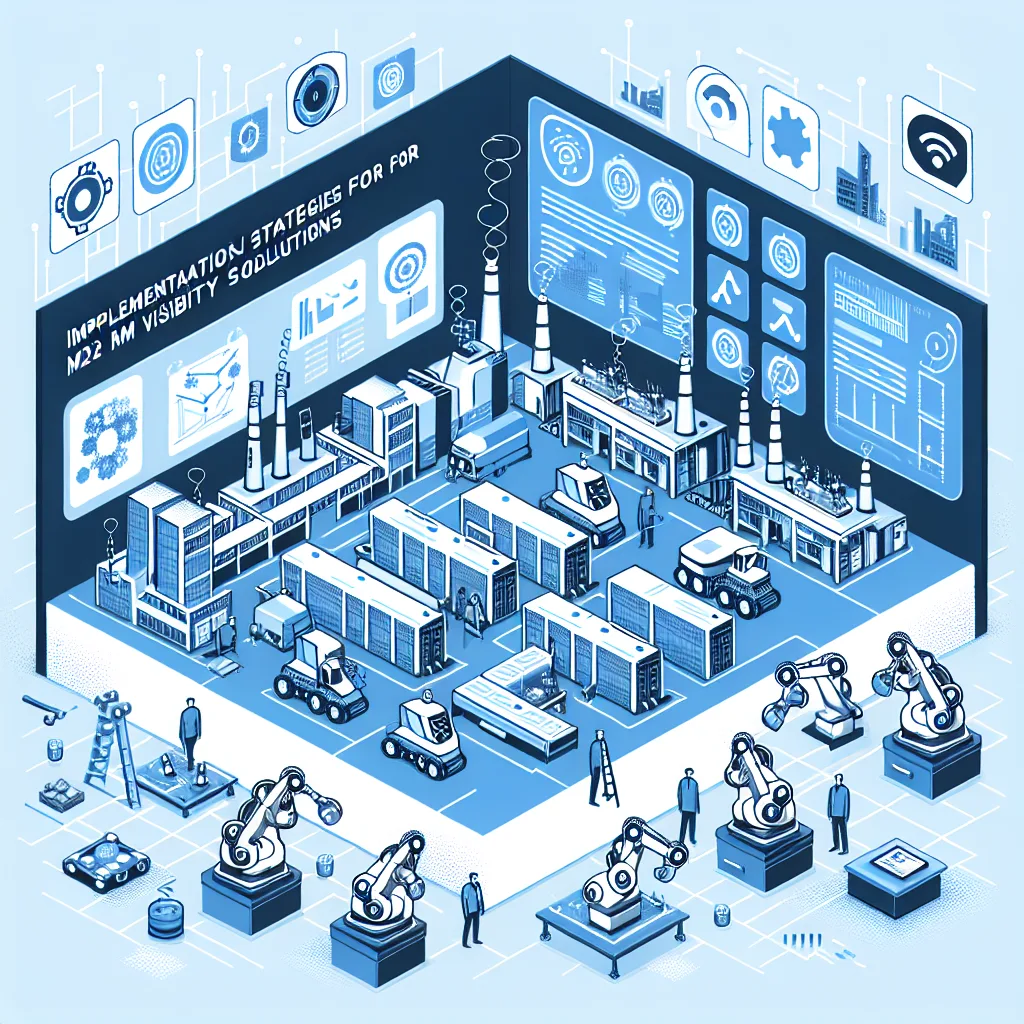
Successful M2M implementation requires careful planning. This addresses technical, organizational, and operational challenges. Organizations must evaluate their current supply chain infrastructure. They must identify integration requirements and develop implementation strategies. These minimize disruption while maximizing benefits. Change management becomes critical for ensuring user adoption and realizing the full value of new visibility solutions.
Pilot implementations allow organizations to test M2M capabilities on limited supply chain segments. They do this before expanding to full-scale deployment. These pilots provide valuable learning opportunities while demonstrating ROI to stakeholders. Organizations can refine their approaches based on pilot results. They do this before committing to comprehensive supply chain transformation.
Supply chain visibility trends continue to evolve as new technologies emerge and existing capabilities mature. Organizations must balance the benefits of advanced solutions with the need for reliable, proven systems. These support critical business operations. Manufacturing integration strategies provide valuable insights for organizations implementing M2M across complex operational environments.
Advanced Analytics and Intelligence Integration
Modern M2M systems use artificial intelligence and machine learning algorithms. These transform raw supply chain data into useful insights. These technologies analyze patterns in shipment delays, demand fluctuations, and supplier performance. They predict potential disruptions before they occur. Companies can proactively adjust their strategies based on these predictive analytics. This reduces risk and improves overall efficiency.
Integration with order management systems enables real-time coordination between customer demand and supply chain capacity. M2M sensors automatically trigger reorder points. They adjust production schedules and optimize inventory allocation based on current market conditions. This seamless connectivity eliminates manual intervention. It reduces order fulfillment times across the supply chain.
Cost Reduction Through Operational Excellence
M2M connectivity directly impacts logistics costs. It optimizes route planning, reduces fuel consumption, and minimizes warehouse handling time. Automated tracking systems provide precise delivery windows. They enable dynamic routing adjustments based on traffic, weather, and vehicle capacity. Companies typically achieve 15-25% reduction in transportation expenses through these intelligent M2M implementations.
Supply chain visibility tools enable organizations to monitor and optimize their multi-tier supply networks. This extends transparency beyond direct suppliers to sub-tier vendors. This comprehensive view allows procurement teams to identify alternative sourcing options. They can negotiate better contracts and maintain supply continuity during disruptions. Enhanced visibility within the supply chain also supports sustainable practices. It tracks carbon footprints, waste generation, and ethical sourcing compliance throughout the entire network.
Real-time M2M data enables precise monitoring of supply chain movements. This spans from raw material extraction to final product delivery. Companies can track individual components through multiple manufacturing stages. They can identify bottlenecks in real-time and coordinate synchronized deliveries to minimize inventory carrying costs. This level of detailed visibility transforms traditional reactive supply chain management into proactive optimization.
Frequently Asked Questions
What does M2M for supply chain optimization complete network visibility mean?
M2M for supply chain optimization complete network visibility refers to using machine-to-machine communication technology. It provides complete monitoring and control of supply chain operations from source to final delivery. This approach uses IoT sensors, real-time data transmission, and analytics. It eliminates blind spots across the entire supply chain network.
How does M2M technology improve supply chain visibility compared to traditional methods?
M2M technology provides continuous, automated monitoring. This eliminates the delays and gaps linked to manual reporting. IoT sensors capture real-time data about shipment conditions, location, and performance. AI algorithms analyze this information to predict potential disruptions and optimize operations automatically.
When is M2M for supply chain optimization required?
M2M implementation becomes necessary when supply chains involve multiple suppliers, complex logistics networks, or time-sensitive deliveries. Organizations dealing with regulatory compliance requirements, sustainability goals, or customer satisfaction challenges also benefit significantly. They gain from comprehensive supply chain visibility through M2M technology.
Who benefits from M2M supply chain visibility analysis?
Supply chain leaders, logistics teams, operations managers, and customer service departments all benefit from enhanced visibility. Suppliers gain better demand forecasting, while customers receive improved delivery reliability and customer satisfaction. Organizations achieve better decision-making capabilities and reduced waste across their entire supply chain network.
Does M2M for supply chain optimization work with existing ERP systems?
Modern M2M solutions are designed to integrate with existing ERP and supply chain management systems. This happens through APIs and data integration platforms. This integration provides a unified view of operations while using existing investments in technology infrastructure. It maintains familiar user interfaces for supply chain operations.
How does AI enhance M2M supply chain visibility?
Artificial intelligence processes vast amounts of supply chain data to identify patterns, predict disruptions, and recommend optimization strategies. Machine learning algorithms continuously improve their accuracy. They analyze historical performance and current conditions. This enables proactive decision-making that prevents problems before they impact operations.
How do M2M systems improve visibility across the supply chain?
M2M systems create continuous data streams from sensors, RFID tags, and connected devices throughout the entire supply network. This real-time connectivity enables supply chain visibility tools to provide instant updates on inventory levels, shipment locations, and production status. Companies gain complete transparency that was previously impossible with manual tracking methods.
What role does AI play in M2M supply chain optimization?
Artificial intelligence and machine learning algorithms process vast amounts of M2M data. They identify patterns and predict supply chain disruptions. These systems automatically optimize logistics costs by analyzing historical data, current conditions, and market trends. AI-powered M2M solutions can predict demand fluctuations, optimize inventory placement, and suggest proactive measures to prevent stockouts or overstock situations.
How do M2M solutions support sustainable supply chain practices?
M2M sensors track environmental metrics within the supply chain. These include energy consumption, carbon emissions, and waste generation at each stage. Companies can monitor sustainable practices across their multi-tier supply networks. They can ensure compliance with environmental standards. This data enables organizations to optimize transportation routes, reduce packaging waste, and select suppliers based on sustainability performance.
Can M2M systems handle complex multi-tier supplier relationships?
Modern M2M platforms excel at managing multi-tier supply networks. They provide visibility into sub-supplier relationships and dependencies. These systems track supply chain movements through multiple tiers. This enables better risk assessment and supplier performance monitoring. Integration with order management systems ensures that disruptions at any tier are quickly identified. Alternative sourcing options are automatically evaluated.
M2M for supply chain optimization complete network visibility represents a shift from reactive to proactive supply chain management. Organizations that implement comprehensive M2M solutions gain competitive advantages. These include improved efficiency, reduced costs, and enhanced customer satisfaction. Success requires careful planning, systematic implementation, and continuous optimization based on real-time data insights. Begin your M2M supply chain transformation by identifying specific visibility gaps in your current operations. Evaluate how connected technologies can address these challenges while supporting your business objectives.
Related Articles
How M2M Enables Lights-Out Manufacturing
M2M technology changes how factories work. It lets machines talk to each other without people. This creates fully automated production facilities that r...
OEE and M2M: Using Machine Data to Improve Equipment Effectiveness
IIoT platforms provide the foundational infrastructure for collecting data from machines across entire manufacturing facilities. These connected systems...
SCADA vs IoT: How M2M Fits Into Industrial Automation
SCADA systems provide centralized, real-time control with proven reliability for critical industrial processes. They use proprietary protocols and dedic...