In this article
- AI-powered quality control systems use machine learning and computer vision to detect defects with greater accuracy than human inspectors
- M2M communication enables real-time data sharing between inspection systems and production line equipment for immediate corrective actions
- Automated inspection reduces human error, increases throughput, and enables manufacturers to maintain consistent quality at scale
- Deep learning algorithms can identify subtle defects that traditional inspection methods might miss, particularly in electronics manufacturing and aerospace applications
- Integration of robotics and AI transforms quality control from reactive to predictive, helping reduce waste and rework costs
- Future quality control systems will leverage advanced algorithm development to improve how manufacturers optimize product quality
Manufacturing success depends on strong quality control. M2M in quality control automated inspection and defect detection shows a major shift from old methods. Today's production sites create millions of data points each day. This creates chances for AI-driven systems to improve how manufacturers find defects and keep product quality high.
The joining of artificial intelligence, machine vision, and M2M communication has built smart inspection systems. These systems beat human skills in speed, consistency, and accuracy. These automated systems can inspect thousands of parts per hour. They can spot tiny defects that would escape manual inspection.
This progress in quality control technology helps manufacturers across industries. From electronics manufacturing to aerospace, they can change their production and reach new levels of quality assurance.
- AI-Powered Quality Control Revolution
- Automated Inspection Systems and Defect Detection
- M2M Integration in Quality Control Processes
- Robotics and AI in Manufacturing Quality
- Real-Time Detection in Manufacturing Operations
- Industry Applications and Use Cases
AI-Powered Quality Control Revolution
AI has changed quality control by bringing in machine learning algorithms. These algorithms keep getting better at finding defects. These ai-driven systems look at huge datasets from inspection processes. They find patterns that human inspectors cannot see.
Unlike old quality control methods that rely on sampling, AI-powered quality control checks every product on the line.
Machine learning models train on millions of product images. They learn to tell the difference between okay variations and real defects. Deep learning networks are great at spotting tiny defects. These include microscopic cracks, color changes, or size problems. Human inspectors would need special training to find these consistently.
Computer Vision and Algorithm Development
Computer vision forms the base for most ai-powered inspection systems. Advanced algorithms process high-resolution images taken at different angles and lighting. These systems can find defects smaller than 0.1 millimeters. They work at production speeds that would be impossible for manual inspection.
The algorithm development process involves training neural networks on thousands of defect examples. This helps the system work beyond specific defect types. This approach lets manufacturers implement smart factory solutions. These adapt to new products and defect types without extensive reprogramming.
Automated Inspection Systems and Defect Detection
Automated inspection shows a major shift from reactive to proactive quality management. These inspection systems combine multiple technologies. These include machine vision, sensors, and AI to create complete defect detection abilities.
Modern automated defect detection systems can find surface defects, size variations, processing errors, and functional failures in real-time.
The inspection process starts with high-speed cameras. They capture detailed images of each product as it moves through the production line. AI algorithms analyze these images within milliseconds. They compare them against learned patterns to spot any departures from quality standards.
When the system finds defects, it immediately signals downstream equipment. This removes the defective product from the production flow.
Inspection Technologies and Detection Accuracy
Multiple inspection technologies work together to maximize detection accuracy. X-ray inspection shows internal defects invisible to optical systems. Laser scanning gives precise size measurements. Thermal imaging finds heat-related defects in electronics manufacturing applications.
These automated systems achieve detection accuracy rates over 99.9%. They can process thousands of items per hour. The combination of multiple inspection technologies ensures that subtle defects don't escape detection. This greatly improves product quality compared to manual inspection methods.
M2M Integration in Quality Control Processes
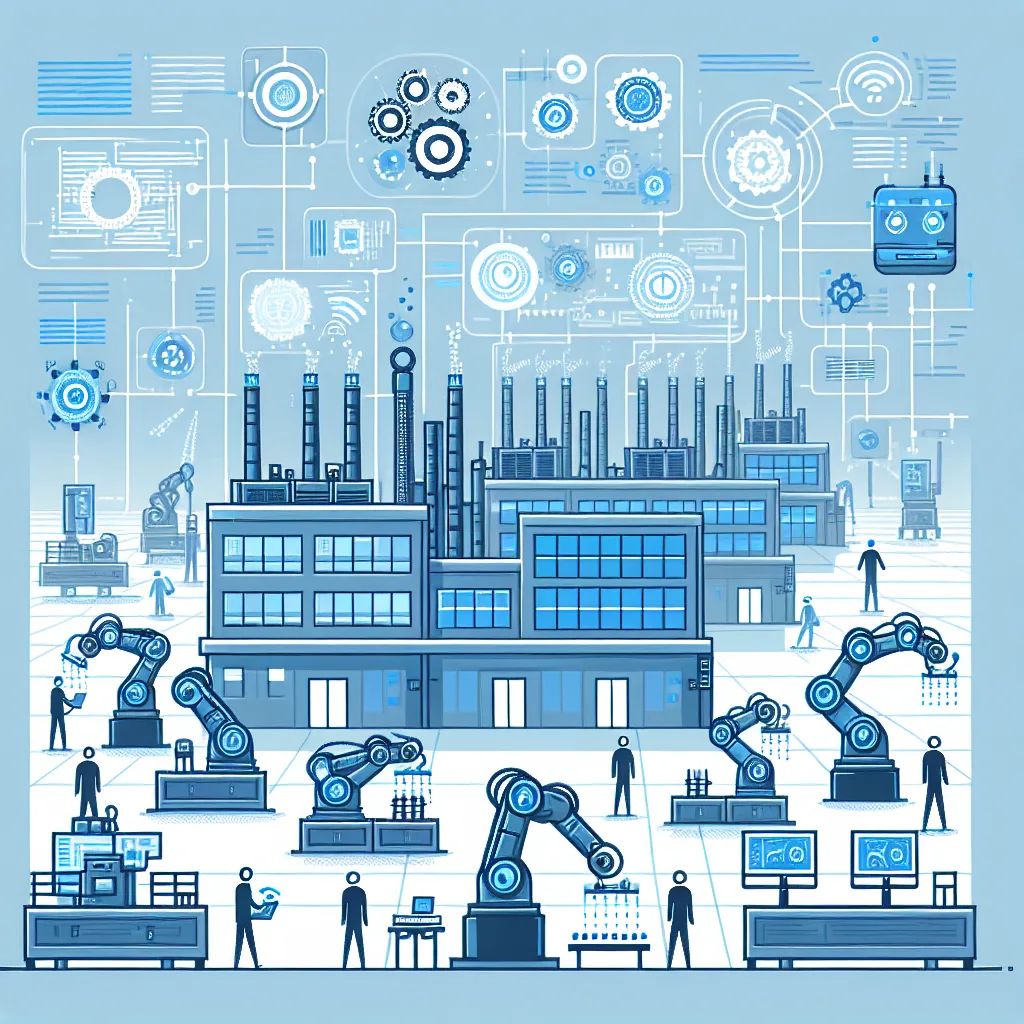
M2M communication creates smart networks. Quality control systems share data instantly with other production equipment. This connectivity enables immediate responses to quality issues. It prevents defective products from moving through later manufacturing stages.
M2M communication protocols help smooth data exchange. This happens between inspection stations, robotic handlers, and production control systems.
Real-time data sharing allows quality control systems to optimize production parameters automatically. When defect patterns emerge, the system can adjust upstream processes. This prevents similar defects from happening. This proactive approach reduces waste and minimizes the need for rework. It maintains consistent quality throughout the production process.
Quality Control Systems Integration
Integrated quality control systems leverage M2M connectivity. They create closed-loop feedback mechanisms. Inspection results trigger immediate adjustments to manufacturing parameters. These include temperature, pressure, or tool positioning.
This automation eliminates the delays associated with manual quality control processes. It reduces human error in decision-making.
The integration extends beyond individual production lines. It encompasses entire manufacturing facilities. Quality data flows between different production areas. This enables manufacturers to correlate defect patterns across multiple processes. They can identify root causes more effectively.
Robotics and AI in Manufacturing Quality
Robotics and AI combine to create smart quality inspection systems. These operate continuously without fatigue or inconsistency. Robotic inspection systems can position cameras and sensors at precise angles and distances. This ensures optimal inspection conditions for every product.
These systems automate complex inspection procedures. These would require multiple human inspectors working in coordination.
Advanced robotics enable manufacturers to inspect products in three dimensions. They rotate items to examine all surfaces and angles. AI algorithms control robotic movements. They automatically adjust inspection parameters based on product variations or defect detection requirements.
This level of automation transforms quality control from a labor-intensive process to a fully automated operation.
Automated Systems and Production Line Integration
Modern automated systems integrate smoothly with existing production line infrastructure. Robotic inspection cells can be inserted at any point in the manufacturing process. This doesn't disrupt overall production flow.
These systems communicate with upstream and downstream equipment through M2M manufacturing networks. They coordinate inspection timing with production schedules.
The flexibility of robotic systems allows manufacturers to reconfigure inspection processes quickly. This happens when introducing new products or changing quality requirements. This adaptability provides significant advantages over fixed inspection stations. These require extensive modification for different product types.
Real-Time Detection in Manufacturing Operations
Real-time defect detection enables immediate corrective actions. These prevent quality issues from spreading through the production process. AI-driven inspection systems process data as products move through manufacturing stations. They identify defects within milliseconds of detection.
This speed allows manufacturers to remove defective items before they reach later processing stages.
Real-time systems also provide instant feedback to machine operators and automated equipment. When inspection systems detect defects indicating process drift, they can trigger automatic adjustments. This restores optimal manufacturing conditions. This capability greatly reduces the production of defective items and minimizes material waste.
Quality Assurance and Process Optimization
Continuous monitoring through real-time detection systems generates complete quality assurance data. Manufacturers can use this to optimize their production processes. Statistical analysis of defect patterns reveals opportunities for process improvements and equipment maintenance scheduling.
The data collected by these systems enables predictive maintenance strategies. These prevent equipment failures from causing quality issues.
By correlating defect detection data with equipment performance metrics, manufacturers can identify maintenance needs. This happens before they affect product quality.
Industry Applications and Use Cases
Electronics manufacturing represents one of the most demanding applications for automated inspection systems. Circuit boards contain thousands of components. These must be placed with micron-level precision.
AI-powered visual inspection systems can detect missing components, solder defects, and alignment errors. These would be nearly impossible for human inspectors to identify consistently at production speeds.
Aerospace applications require even higher levels of inspection accuracy. This is due to safety-critical requirements. Automated inspection systems in aerospace manufacturing can detect microscopic cracks in metal components. They verify precise machining tolerances and ensure proper component installation of complex systems.
The ability to inspect every component rather than relying on sampling techniques provides the complete quality coverage that aerospace applications demand.
Future of Quality Control Innovation
The future of quality control will see continued advancement in AI algorithms and inspection technologies. Machine learning models will become more sophisticated. They will be capable of predicting quality issues before they occur based on subtle process variations.
Enhanced detection capabilities will enable manufacturers to maintain even higher quality standards. This happens while reducing inspection costs.
Integration with real-time equipment monitoring systems will create complete quality management platforms. These optimize entire manufacturing operations.
These systems will enable manufacturers to achieve unprecedented levels of quality control. This happens while reducing operational costs and improving customer satisfaction.
M2M technology enables real-time data exchange between inspection systems, production equipment, and quality management platforms. These interconnected systems create complete inspection workflows. They detect defects at multiple stages of production.
Advanced defect detection algorithms analyze sensor data, camera feeds, and measurement results. They identify quality issues before they reach customers.
The integration of ai with M2M networks transforms how manufacturers approach quality assessment and control. AI algorithms process vast amounts of inspection data. They identify patterns in complex defects that traditional systems miss.
This combination enables manufacturers to enhance product quality while reducing inspection time and labor costs.
Edge Computing in Quality Control Systems
Edge computing plays a crucial role in modern M2M quality systems. It processes inspection data locally at production sites. This approach reduces latency in defect detection and enables immediate corrective actions when quality issues arise.
Smart sensors and edge devices perform complete quality assessment in real-time. This ensures consistent quality without overwhelming central servers.
Automated inspection processes powered by M2M connectivity minimize waste. They catch defects early in the production cycle. These systems continuously monitor product dimensions, surface quality, and manufacturing accuracy. This maintains strict quality standards.
The smooth data flow between inspection stations helps manufacturers optimize quality control and efficiency across entire production lines.
Driving Quality Through Connected Inspection Solutions
M2M networks reshape quality control by connecting various inspection solutions into unified quality management systems. These integrated platforms collect data from multiple sources. These include vision systems, coordinate measuring machines, and inline sensors.
The result is a complete view of overall product quality. This enables proactive quality management and reduces defect rates significantly.
Modern M2M systems integrate advanced ai algorithms. These continuously analyze production data streams in real-time. This enables manufacturers to identify quality issues before they spread downstream.
These systems process thousands of data points per second. Data comes from various sensors, cameras, and measurement devices deployed across production lines.
The integration of machine learning capabilities allows these systems to adapt and improve their detection accuracy over time. This reduces false positives and enhances overall system reliability.
Traditional quality control methods suffer from heavy reliance on manual inspections. These introduce human error and create bottlenecks in high-speed manufacturing environments. M2M-enabled inspection systems eliminate the need for manual intervention.
They automatically flag products that deviate from established quality parameters.
This automated approach ensures consistent inspection standards across all shifts and production runs. It simultaneously generates complete quality reports for regulatory compliance.
Machine Learning Integration in Defect Detection
AI becomes evident when M2M systems deploy sophisticated learning techniques. These recognize complex defect patterns that human inspectors miss. These systems analyze historical defect data to establish baseline quality metrics.
They continuously refine their detection algorithms based on production outcomes.
Neural networks within these systems can identify subtle variations in product characteristics. They catch defects that might otherwise pass through traditional inspection methods undetected.
Implementing M2M quality control systems requires careful consideration of initial investments in hardware. This includes high-resolution cameras, precision sensors, and robust communication infrastructure.
However, manufacturers typically recover these costs within 12-18 months. This happens through reduced waste, improved product consistency, and decreased reliance on manual quality assurance personnel.
The long-term benefits include enhanced brand reputation, reduced warranty claims, and improved customer satisfaction scores.
Cost-Benefit Analysis of Automated Quality Systems
M2M quality control systems demonstrate measurable ROI. They eliminate the variability associated with human inspection processes and reduce the overall need for manual oversight.
These automated systems operate continuously without fatigue. They maintain consistent detection rates throughout extended production cycles.
The data collected by M2M systems also enables predictive maintenance scheduling. This further reduces unexpected downtime and quality disruptions.
Frequently Asked Questions
How does AI improve defect detection compared to human inspectors?
AI systems can detect defects with greater consistency and accuracy than human inspectors. They don't experience fatigue, distraction, or subjective interpretation. Machine learning algorithms can identify subtle defects and patterns that might escape human observation. They process thousands of items per hour without breaks. AI-driven inspection systems also eliminate human error. They provide consistent quality standards across all shifts and operators.
What types of defects can automated inspection systems detect?
Automated inspection systems can detect a wide range of defects. These include surface scratches, cracks, dimensional variations, color inconsistencies, missing components, processing errors, and contamination. Advanced systems using multiple inspection technologies can identify both visible surface defects and internal structural problems. The specific defect detection capabilities depend on the sensors and algorithms implemented in the quality control system.
How do M2M systems integrate with existing production lines?
M2M integration connects inspection systems with production line equipment through standard industrial communication protocols. This enables real-time data sharing and automated responses to quality issues. These systems can retrofit existing production lines without major infrastructure changes. They communicate with PLCs, robots, and other automated systems to coordinate quality control actions throughout the manufacturing process.
What is the cost-benefit analysis of implementing automated quality control?
Automated quality control systems typically reduce long-term costs. They eliminate defective products, reduce rework requirements, and minimize human inspector labor costs. While initial implementation requires significant investment, manufacturers typically see ROI within 12-24 months. This happens through improved product quality, reduced waste, and increased production throughput. The systems also enable manufacturers to maintain consistent quality at higher production volumes.
How accurate are AI-powered defect detection systems?
Modern AI-powered defect detection systems achieve accuracy rates exceeding 99.9% for most applications. They significantly outperform manual inspection methods. Detection accuracy depends on factors such as defect types, product complexity, and algorithm training quality. These systems continuously improve through machine learning. They become more accurate over time as they process more inspection data and learn to identify new defect patterns.
Can automated inspection systems adapt to new products or defect types?
Yes, modern automated inspection systems use machine learning algorithms. These can be retrained for new products and defect types without complete system replacement. Deep learning models can adapt to new inspection requirements through additional training data. Modular system designs allow for hardware upgrades to accommodate different product sizes or inspection technologies. This flexibility enables manufacturers to automate quality control across diverse product lines.
What industries benefit most from automated quality control systems?
Industries with high-volume production, strict quality requirements, or safety-critical applications benefit most from automated quality control. Electronics manufacturing, aerospace, automotive, pharmaceuticals, and food processing industries commonly implement these systems. This ensures consistent product quality while reducing inspection costs. Any industry where defect detection accuracy and production speed are critical can benefit from ai-driven quality control automation.
How is AI improving M2M quality control systems?
AI improves M2M quality control by analyzing complex patterns in inspection data. Human operators cannot detect these patterns reliably. Machine learning algorithms integrated into M2M networks can identify subtle defects. They predict quality issues before they occur. This combination of AI and M2M connectivity enables manufacturers to achieve complete quality assessment with unprecedented accuracy and speed.
What role does edge computing play in automated inspection processes?
Edge computing enables M2M quality systems to process inspection data locally. This reduces response times and improves defect detection accuracy. By analyzing data at the production line level, edge devices can trigger immediate corrective actions and minimize waste. This distributed approach ensures that quality control and efficiency remain optimal. This happens even when network connectivity to central systems is limited.
How do M2M systems help optimize quality in manufacturing?
M2M systems optimize quality by creating interconnected networks of sensors, cameras, and measurement devices. These continuously monitor production processes. These systems collect real-time data on product dimensions, material properties, and manufacturing accuracy. This maintains consistent quality standards. The automated data exchange between quality systems enables manufacturers to reduce defect rates while maintaining high production speeds.
What makes M2M inspection solutions more effective than traditional methods?
M2M inspection solutions provide complete inspection capabilities. They connect multiple detection technologies into unified quality management platforms. Unlike traditional standalone systems, M2M networks enable continuous data sharing between inspection stations. This drives quality improvements across entire production lines. This connectivity allows manufacturers to detect complex defects earlier and implement corrective actions more quickly than conventional quality control methods.
What are the main advantages of M2M systems over traditional quality control methods?
M2M systems eliminate reliance on manual inspections. These are prone to human error and inconsistency across different shifts and operators. These automated systems use advanced ai algorithms to maintain constant vigilance over production quality. They detect defects that might escape human observation due to fatigue or attention lapses. The continuous operation capability ensures 100% inspection coverage without the limitations of manual processes.
How do machine learning capabilities enhance defect detection accuracy?
Machine learning techniques enable M2M systems to continuously improve their detection capabilities. They analyze patterns in historical quality data. AI allows these systems to identify subtle defect characteristics and correlations. Traditional rule-based systems cannot recognize these. Over time, these learning algorithms reduce false positives while increasing sensitivity to actual quality issues.
What should manufacturers consider when budgeting for M2M quality control implementation?
Initial investments in hardware including sensors, cameras, and communication infrastructure typically represent the largest cost component of M2M quality systems. Manufacturers should also factor in integration costs, staff training, and ongoing maintenance expenses. This happens when calculating total implementation costs. The reduced need for manual quality inspectors and decreased waste rates usually justify these upfront expenses within the first two years of operation.
Can M2M quality systems detect defects that human inspectors typically miss?
Yes, M2M systems excel at identifying defects that might be too subtle or occur too quickly for human detection. Advanced ai algorithms can analyze multiple quality parameters simultaneously. They detect complex defect patterns that require correlation across different measurement points. These systems maintain consistent detection standards without the variability introduced by manual inspection processes.
Manufacturers should prioritize M2M quality control systems that integrate advanced AI algorithms with complete sensor networks. This achieves maximum defect detection accuracy while reducing operational costs. Successful implementation requires careful planning of hardware infrastructure, staff training programs, and ongoing system optimization. This ensures optimal return on investment through improved product quality and reduced waste.
Related Articles
How M2M Enables Lights-Out Manufacturing
M2M technology changes how factories work. It lets machines talk to each other without people. This creates fully automated production facilities that r...
M2M for Supply Chain Optimization: End-to-End Visibility
M2M for supply chain optimization complete network visibility changes how businesses monitor and manage their supply chain operations. Traditional suppl...
OEE and M2M: Using Machine Data to Improve Equipment Effectiveness
IIoT platforms provide the foundational infrastructure for collecting data from machines across entire manufacturing facilities. These connected systems...