In this article
- IIoT focuses on industrial applications requiring extreme reliability, real-time processing, and robust security protocols
- Consumer IoT prioritizes user convenience, ease of use, and cost-effectiveness for smart home and personal devices
- Industrial IoT systems demand higher durability, specialized connectivity protocols, and integration with existing control systems
- Both IIoT and consumer IoT share core IoT principles but serve fundamentally different purposes and requirements
- Understanding these differences is crucial for selecting appropriate IoT solutions for specific applications
- IIoT drives Industry 4.0 transformation while consumer IoT enhances personal lifestyle and convenience
- Understanding IIoT Fundamentals
- Consumer IoT Characteristics
- Reliability and Durability Requirements
- Connectivity and Protocol Differences
- Security and Data Management
- Real-Time Processing and Analytics
- Cost Considerations and ROI
- Integration Complexity
Understanding IIoT Fundamentals
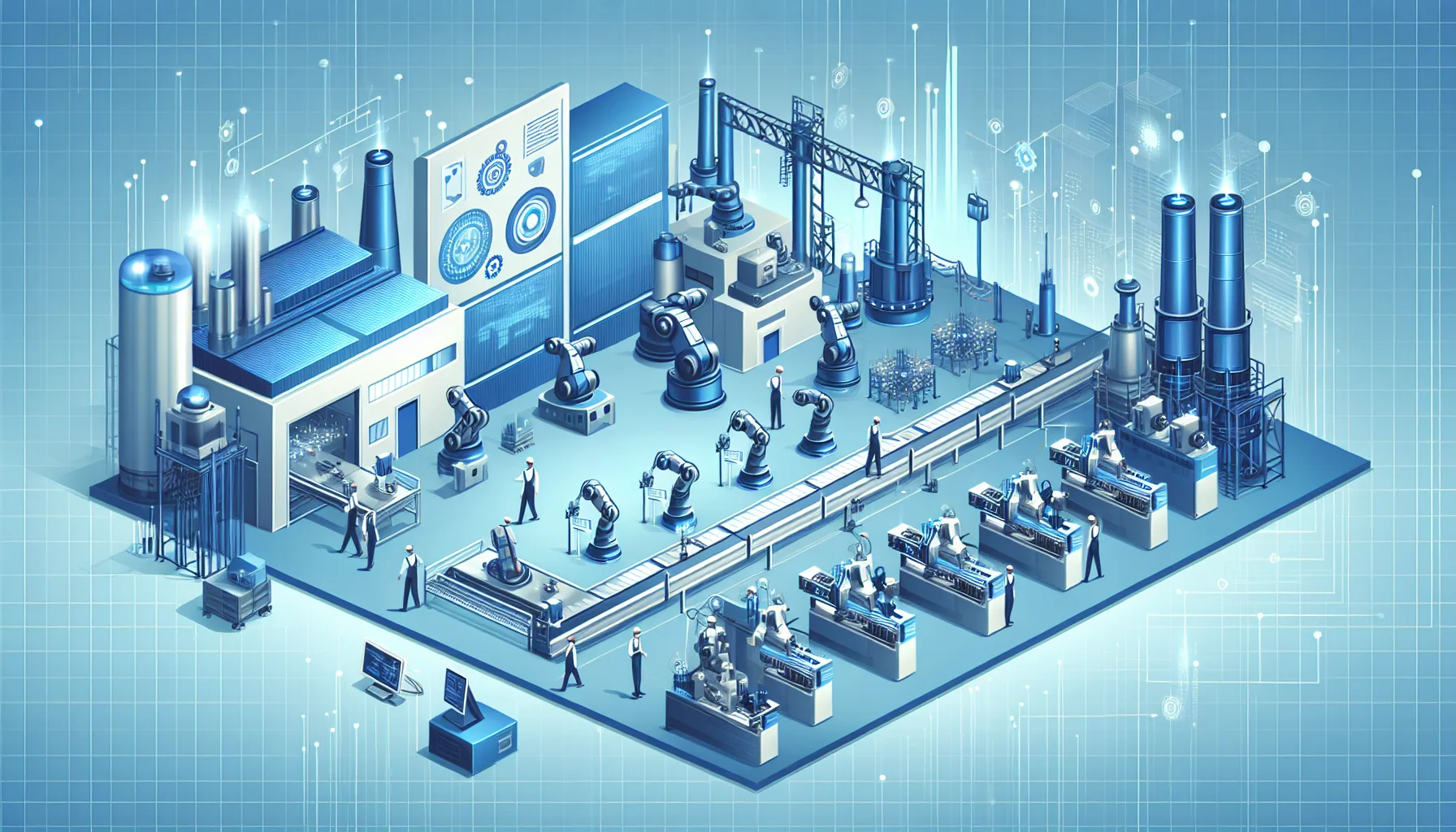
IIoT is a type of IoT made for industrial settings and factories. An IIoT system connects factory machines and equipment to central control systems. These systems work with existing technology to automate complex factory processes. They help improve efficiency across the supply chain. Industrial IoT has many uses. It includes systems that predict when machines need fixing. It also includes automated quality checks and real-time production tracking. Factories use IIoT to watch sensor data from important machines. This lets them respond quickly to problems. The goal is to keep industrial work running smoothly. Reliability and uptime directly affect profits. IIoT platforms are the backbone of Industry 4.0 projects. They connect old factory machines to modern data tools. These platforms handle huge amounts of data from hundreds or thousands of connected devices. They must also keep strict security standards. The industrial world needs solutions that work well with old control systems. At the same time, they must provide advanced automation features.Consumer IoT Characteristics
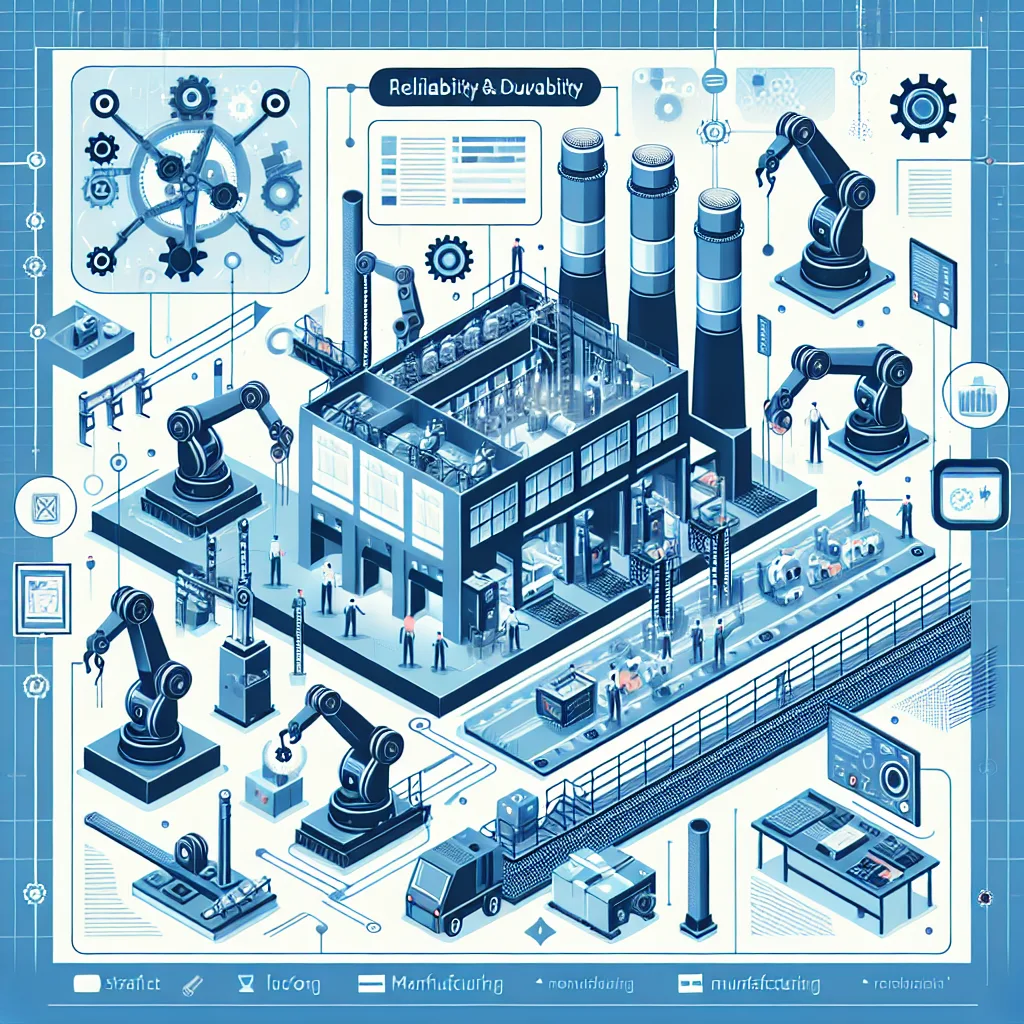
Consumer IoT includes devices made for personal use and home automation. It focuses on making life better. Smart home systems are good examples. They connect appliances, lights, security cameras, and entertainment systems through Wi-Fi networks. A fitness tracker is another common consumer IoT device. It watches health data and syncs with mobile apps. Consumer IoT puts user experience first. It also focuses on good design and low cost. These IoT devices connect to the internet through home networks. They use cloud services to process and store data. The main goal is to add convenience features that make daily life better. This is different from critical work functions. Consumer IoT products have simple setup steps. They also have easy-to-use interfaces for regular people. Companies in this area compete mainly on features, price, and ease of use. They don't focus as much on industrial-grade reliability or special connectivity options.Reliability and Durability Requirements
Connectivity and Protocol Differences
Industrial and consumer IoT systems use different connection methods and protocol standards. IIoT often needs special industrial protocol support. This includes Modbus, EtherNet/IP, and PROFINET. These protocols work with existing industrial control systems. They provide the exact communication needed for real-time automation. IIoT connectivity often uses industrial gateway devices. These translate between different protocol standards. They also centralize data collection from different equipment types. These gateways must handle various sensor types and actuator controls. They also work with legacy system interfaces while keeping secure, reliable connections. Consumer IoT mainly uses standard protocols. These include Wi-Fi, Bluetooth, and Zigbee for home networking. These connectivity options focus on easy setup and user-friendly features. They don't prioritize industrial strength. Consumer devices rarely need the special protocol support that factory machines require. Edge computing features differ greatly between industrial and consumer uses. IIoT systems often need local processing power. This lets them compute analytics and respond to critical conditions without cloud connectivity. Consumer devices usually depend on cloud services for advanced processing functions.Security and Data Management
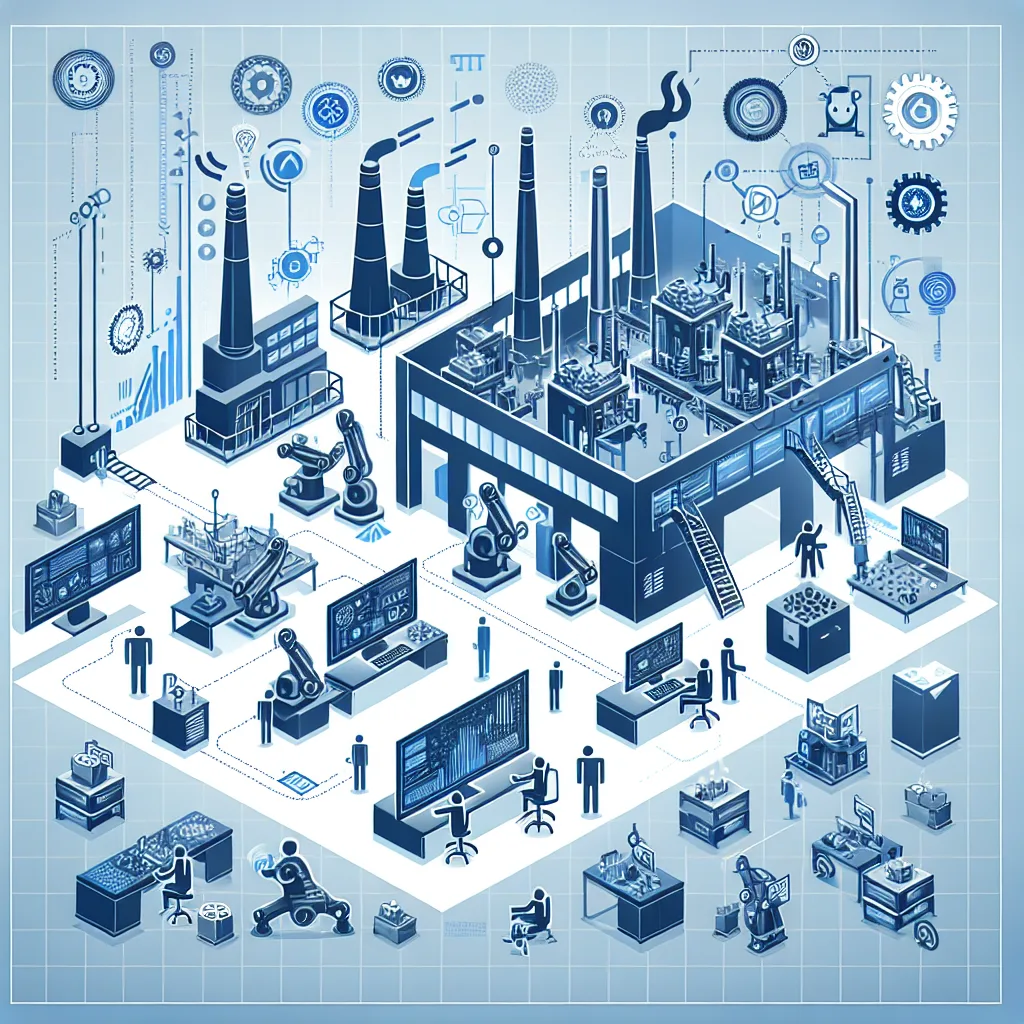
Security needs show another basic difference in the IIoT vs IoT comparison. Industrial systems handle sensitive work data and intellectual property. They also handle safety-critical functions that need enterprise-grade security measures. IIoT must follow industrial cybersecurity standards. It must also protect against smart attacks targeting critical infrastructure. Industrial IoT security involves multiple layers. This includes device authentication and encrypted communications. It also includes network segmentation and continuous monitoring. Companies use strict privacy policies and access controls. This protects proprietary manufacturing data and process information. Security breaches in industrial settings can compromise safety systems. They can also disrupt essential services. Consumer IoT security focuses on personal privacy protection and basic device security. While important, consumer security needs typically don't match the strict standards required for industrial uses. Consumer devices balance security features with usability and cost considerations. Data ownership and management practices also differ greatly. IIoT generates massive datasets. These require specialized analytics platforms and long-term storage solutions. Industrial organizations often prefer on-premises or hybrid cloud deployments. This helps them maintain control over sensitive operational data.Real-Time Processing and Analytics
Cost Considerations and ROI
Cost structures and return on investment calculations differ greatly between industrial and consumer IoT uses. IIoT projects typically involve substantial upfront investments. These are justified by long-term operational improvements. M2M in manufacturing environments shows how these investments drive Industry 4.0 transformation and operational efficiency gains. Industrial IoT solutions justify higher costs through measurable benefits. These include reduced downtime and improved product quality. They also include energy savings and labor optimization. Companies evaluate IIoT investments based on total cost of ownership over multi-year periods. They don't just look at initial purchase price. Consumer IoT products compete mainly on price point and feature value. Consumers make buying decisions based on immediate perceived benefits and affordability. The consumer market drives costs down through volume production and simplified feature sets. Maintenance and support costs also vary greatly. IIoT systems need specialized technical support and regular updates. They also need professional installation services. Consumer IoT devices typically offer simplified self-service support models with limited professional help.Integration Complexity
Integration needs show a major difference between IIoT and consumer IoT uses. Industrial uses must integrate with complex existing infrastructure. This includes programmable logic controllers (PLCs), distributed control systems (DCS), and manufacturing execution systems (MES). This integration needs extensive customization and professional implementation services. Smart factory implementations show the complexity involved in connecting diverse industrial systems through IIoT platforms. These projects need careful planning. They integrate new IoT capabilities without disrupting existing operations. Consumer IoT integration typically involves connecting devices to home networks and mobile apps. While still needing technical knowledge, consumer integration complexity remains manageable for typical users with basic networking understanding. IIoT solutions often need custom software development. This integrates with proprietary industrial systems. Real-time equipment health tracking implementations show how IIoT systems must adapt to specific industrial needs and existing infrastructure constraints.IoT extends beyond simple connectivity. It focuses on creating value through intelligent automation and data analytics. Consumer IoT typically emphasizes convenience and user experience. Examples include devices like a smart thermostat that learns heating preferences. Wearable fitness trackers that monitor daily activity are another example. Industrial environments demand far more robust solutions. They can withstand harsh conditions while maintaining critical operational continuity.
Industrial protocols form the backbone of IIoT communications. They use specialized standards like Modbus, Profinet, and OPC-UA. These differ greatly from consumer IoT technologies. These protocols ensure reliable data transmission in manufacturing settings. Here, milliseconds matter and system failures can cost thousands of dollars per minute. IIoT applications need deterministic communication with guaranteed latency performance. This differs from consumer devices that can tolerate occasional delays or dropped connections.
Data Collection and Processing Architecture
IIoT systems collect data from industrial sensors, machinery, and control systems at unprecedented scales. They often generate terabytes of operational data daily. Cloud platforms designed for industrial use provide the computational power needed. They also provide storage capacity needed to process this massive data influx in real-time. The integration between IoT and IIoT systems creates comprehensive visibility across entire production ecosystems. This enables predictive maintenance and operational optimization.
Network bandwidth needs differ greatly between consumer and industrial applications. IIoT demands consistent, high-throughput connections to support mission-critical operations. Types of industrial connectivity solutions include dedicated fiber networks and private 5G implementations. They also include hybrid cloud-edge architectures that minimize latency while ensuring data security. Modern IIoT implementations often integrate with legacy SCADA systems. This bridges decades-old industrial infrastructure with modern IoT technologies.
Security and Compliance Considerations
IIoT is used in environments where cybersecurity breaches can result in production shutdowns, safety incidents, or regulatory violations. Industrial security frameworks need multi-layered protection. This extends far beyond the basic privacy policy protections found in consumer IoT products. The challenge of connecting physical devices to the internet in industrial settings demands specialized security protocols. It also needs encrypted communication channels and rigorous access controls.
Using IoT in manufacturing and industrial contexts needs careful consideration of regulatory compliance, data sovereignty, and operational continuity requirements. IIoT also incorporates advanced authentication mechanisms and network segmentation strategies. These isolate critical control systems from potential cyber threats. Modern devices and applications must meet stringent industrial standards. They must also provide the scalability and flexibility needed for digital transformation initiatives.
Scale and Device Management
Industrial IoT deployments involve thousands of machines operating across manufacturing facilities. They need sophisticated device management platforms. These systems must handle the complexity of managing diverse equipment at the same time. They must also maintain operational efficiency. Consumer IoT networks typically manage dozens of smart home devices rather than enterprise-scale deployments.
IIoT systems operating across multiple applications distinguish themselves from consumer implementations. Industrial manufacturing environments need sensors, actuators, and robotics systems to work together seamlessly. They work across different applications like quality control, predictive maintenance, and supply chain optimization. Consumer IoT focuses on simpler integrations between home security systems, entertainment devices, and climate control.
Real-Time Data Processing Requirements
IIoT systems must process data in real time to prevent equipment failures and maintain production schedules. The monitoring of equipment generates continuous data streams. These need immediate analysis and response to avoid costly downtime. Consumer IoT devices can tolerate latency since delayed responses rarely create safety hazards or significant financial losses.
Industrial networks ensure that critical machinery remains operational even during network disruptions or maintenance windows. This reliability requirement drives the selection of robust communication protocols and redundant connectivity options. Consumer devices typically rely on standard Wi-Fi connections. These can be managed through a computer or mobile application without extensive backup systems.
Frequently Asked Questions
What are the main advantages of IIoT over consumer IoT for industrial applications?
IIoT systems provide superior reliability, real-time processing capabilities, and specialized industrial protocol support required for manufacturing operations. These systems integrate with existing control systems and provide the robust connectivity necessary for critical industrial processes where downtime costs significantly impact profitability.
How do connectivity requirements differ between industrial and consumer IoT devices?
Industrial IoT devices require specialized protocol support and gateway functionality to connect with existing industrial infrastructure. Consumer IoT devices typically use standard home networking protocols like Wi-Fi and rely on simpler connectivity options designed for ease of use rather than industrial robustness.
What are the key similarities between IIoT and consumer IoT systems?
Both IIoT and consumer IoT share fundamental concepts of connecting devices to the internet, collecting sensor data, and enabling remote monitoring and control. They both utilize cloud services for data storage and analytics, though industrial applications often require additional on-premises processing capabilities.
When should organizations choose IIoT solutions over standard IoT implementations?
Organizations should select IIoT solutions when applications require extreme reliability, real-time response times, integration with industrial machinery, or compliance with industrial safety standards. Manufacturing environments with existing automation systems benefit most from specialized IIoT platform capabilities.
How do security requirements compare between industrial and consumer IoT applications?
Industrial IoT applications demand enterprise-grade security measures including device authentication, encrypted communications, and network segmentation to protect critical infrastructure. Consumer IoT security focuses on personal privacy protection and typically accepts lower security standards in exchange for cost optimization and ease of use.
What are the main differences between IoT and IIoT in terms of application focus?
Consumer IoT focuses on convenience, entertainment, and lifestyle enhancement through devices like smart home systems and wearable technology. IIoT applications target operational efficiency, safety, and productivity in industrial environments such as manufacturing plants, oil refineries, and power generation facilities. The fundamental distinction lies in IIoT's emphasis on mission-critical operations versus consumer IoT's focus on user experience and convenience.
How do bandwidth and latency requirements differ between consumer and industrial IoT?
Industrial IoT systems demand guaranteed bandwidth allocation and ultra-low latency to support real-time control systems and safety-critical operations. Consumer IoT devices typically operate with variable bandwidth and can tolerate higher latency without impacting functionality. IIoT networks must provide deterministic performance levels that ensure consistent data flow between sensors, controllers, and cloud platforms.
Why do IIoT systems require different security approaches than consumer IoT?
IIoT systems collect data from industrial processes that often involve proprietary manufacturing techniques, safety systems, and critical infrastructure components. The security requirements extend beyond simple privacy policy compliance to include operational technology (OT) protection, regulatory adherence, and prevention of industrial espionage. Industrial protocols and specialized security frameworks address these unique challenges that consumer IoT security models cannot adequately handle.
How does IIoT integration with legacy systems like SCADA work?
IIoT is used to modernize existing industrial control systems by creating bridges between legacy SCADA infrastructure and modern cloud platforms. This integration enables organizations to leverage decades of operational data while adding advanced analytics and remote monitoring capabilities. The process involves using IoT technologies that can communicate with both traditional industrial protocols and modern internet-based systems without disrupting critical operations.
How do IIoT and consumer IoT differ in device complexity?
IIoT devices integrate with sophisticated robotics systems and industrial manufacturing equipment that require precise control and monitoring capabilities. These devices must handle multiple applications simultaneously while maintaining strict performance standards. Consumer IoT devices like smart home devices focus on user convenience rather than mission-critical operations.
What makes industrial IoT networks more reliable than consumer IoT?
Industrial networks are designed to operate continuously even when thousands of machines are generating data simultaneously. The monitoring of equipment requires redundant communication paths and failover systems that consumer networks don't need. Consumer IoT systems involve simpler reliability requirements since home security and entertainment applications can tolerate occasional downtime.
Why do IIoT systems require real-time data processing?
Industrial environments must process data in real time to prevent equipment failures that could halt production or create safety hazards. Manufacturing systems need immediate responses to sensor data across different applications to maintain operational efficiency. Consumer devices can typically process data with some delay since users can wait a few seconds for their computer or mobile app to respond.
How do communication protocols differ between IIoT and consumer IoT?
IIoT systems must maintain communication across harsh industrial environments with electromagnetic interference and extreme temperatures. These networks require protocols that ensure thousands of machines can exchange data reliably without packet loss. Consumer smart home devices use standard wireless protocols optimized for convenience rather than the demanding requirements of industrial manufacturing.
Industrial IoT and consumer IoT serve very different purposes. They need different approaches to design, implementation, and operation. Organizations must evaluate their specific needs. This includes reliability needs, integration complexity, and security standards. Then they can choose between IIoT and consumer IoT solutions. The choice depends on whether applications focus on operational excellence or user convenience. Select IIoT solutions for mission-critical operations. These need guaranteed uptime, real-time processing, and integration with existing industrial infrastructure. Choose consumer IoT for convenience-focused applications. Here, cost optimization and user experience matter more than industrial-grade reliability.Related Articles
How M2M Enables Lights-Out Manufacturing
M2M technology changes how factories work. It lets machines talk to each other without people. This creates fully automated production facilities that r...
M2M for Supply Chain Optimization: End-to-End Visibility
M2M for supply chain optimization complete network visibility changes how businesses monitor and manage their supply chain operations. Traditional suppl...
OEE and M2M: Using Machine Data to Improve Equipment Effectiveness
IIoT platforms provide the foundational infrastructure for collecting data from machines across entire manufacturing facilities. These connected systems...