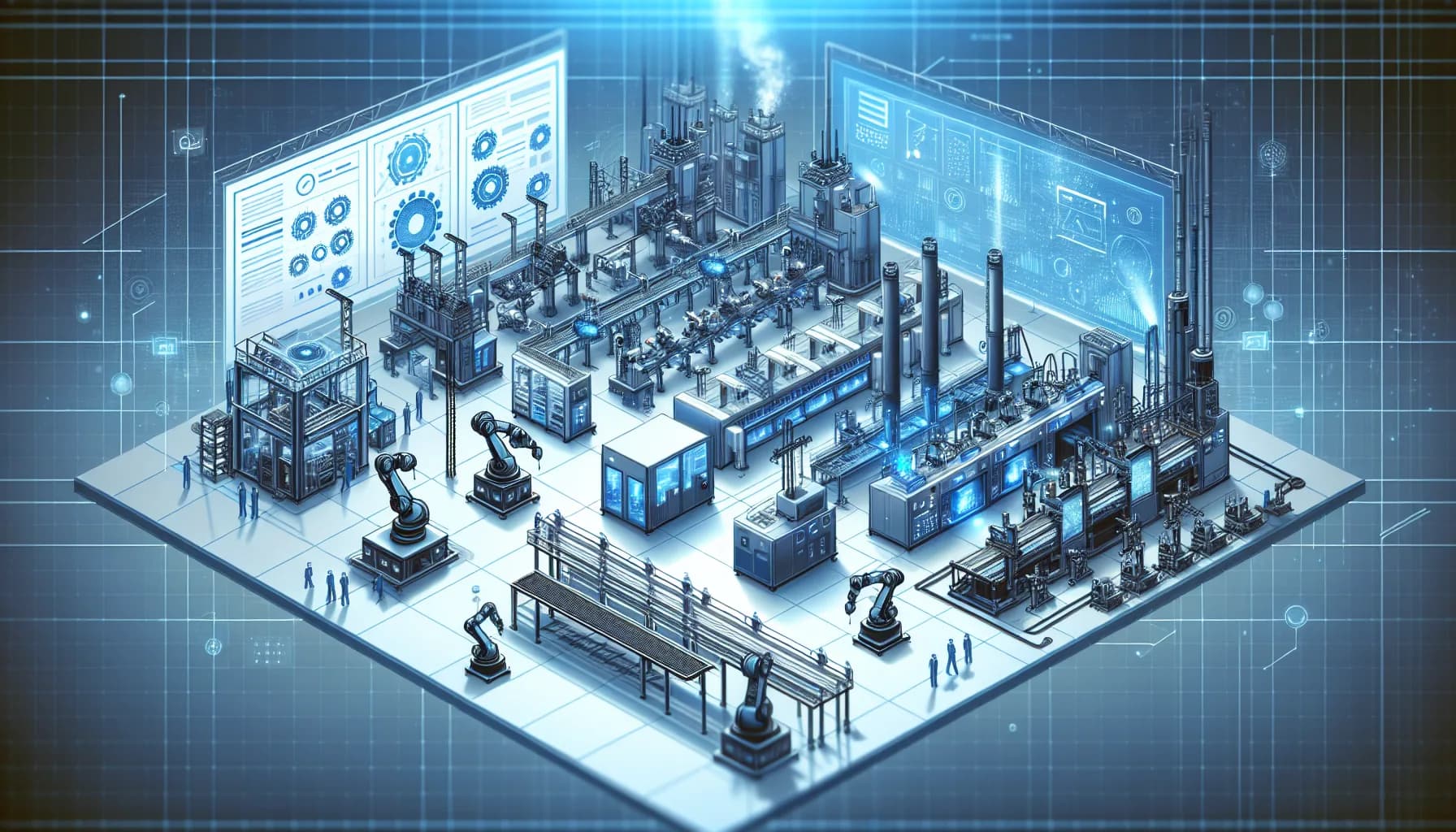
In this article
- M2M communication enables machines to exchange data autonomously, forming the backbone of smart factory operations
- Real-time data transmission through m2m systems optimize production processes and enable predictive maintenance
- M2M technologies reduce human intervention while improving efficiency across manufacturing processes
- Industrial IoT and m2m devices work together to create interconnected manufacturing ecosystems
- Machine-to-machine communication transforms traditional factories into Industry 4.0-ready facilities
- M2m applications enable automation, quality control, and supply chain optimization in modern manufacturing
Manufacturing has entered a new era. How m2m powers smart factories now determines success and competitive edge. M2M communication forms the tech foundation that turns old-style manufacturing into smart, connected systems. Through direct machine talk, sensors, and systems, m2m technology lets factories work with new levels of automation and precision.
Smart factories represent the top of Industry 4.0 innovation. M2m technologies create smooth data flow between connected devices. This tech evolution enables real-time monitoring, predictive analytics, and self-directed decision-making across manufacturing operations. The result is a manufacturing space that constantly improves processes. It also cuts energy use and reduces production costs.
- Understanding M2M Fundamentals in Manufacturing
- Real-Time Data Communication in Factory Operations
- M2M Automation Systems and Process Control
- Sensor Networks and Real-Time Monitoring
- Predictive Maintenance and Equipment Optimization
- Supply Chain Integration Through M2M
- The Future of M2M in Manufacturing
Understanding M2M Fundamentals in Manufacturing
Machine-to-machine communication serves as the core system that lets smart factories work on their own. M2m systems help devices talk directly without human help. This creates a connected network where production equipment, quality control systems, and management systems share key information instantly.
The foundation of m2m in manufacturing relies on strong communication protocols. These enable secure data transmission between industrial devices. The protocols ensure that sensor data, machine status updates, and operational commands transmit reliably across the factory floor. M2m technology enables machines to make smart decisions based on real-time data. This significantly improves production efficiency and reduces operational costs.
M2m applications in manufacturing transform every aspect of factory operations. Automated inventory management monitors stock levels. Sophisticated quality control systems detect defects instantly. This transformation creates manufacturing environments where artificial intelligence and machine learning algorithms continuously analyze performance data. They use this data to optimize production workflows.
Real-Time Data Communication in Factory Operations
Real-time data forms the lifeblood of modern smart manufacturing systems. M2m devices continuously collect and transmit operational data. This data comes from production lines, environmental sensors, and quality control equipment. This constant stream of information enables immediate response to changing conditions and potential issues before they impact production.
M2m sensors detect equipment anomalies within milliseconds of occurrence. These systems can alert operators to temperature changes, vibration patterns, or performance drops. These issues could signal impending equipment failure. Such rapid detection capabilities enable maintenance teams to address issues proactively. This prevents costly downtime and maintains optimal production schedules.
M2m communication protocols ensure that real-time data reaches the right systems and personnel without delay. Whether alerting quality control teams to product variations or notifying supply chain managers about inventory needs, these systems enable coordinated responses across various departments. This level of coordination shows how m2m in manufacturing creates the foundation for Industry 4.0 transformation.
M2M Automation Systems and Process Control
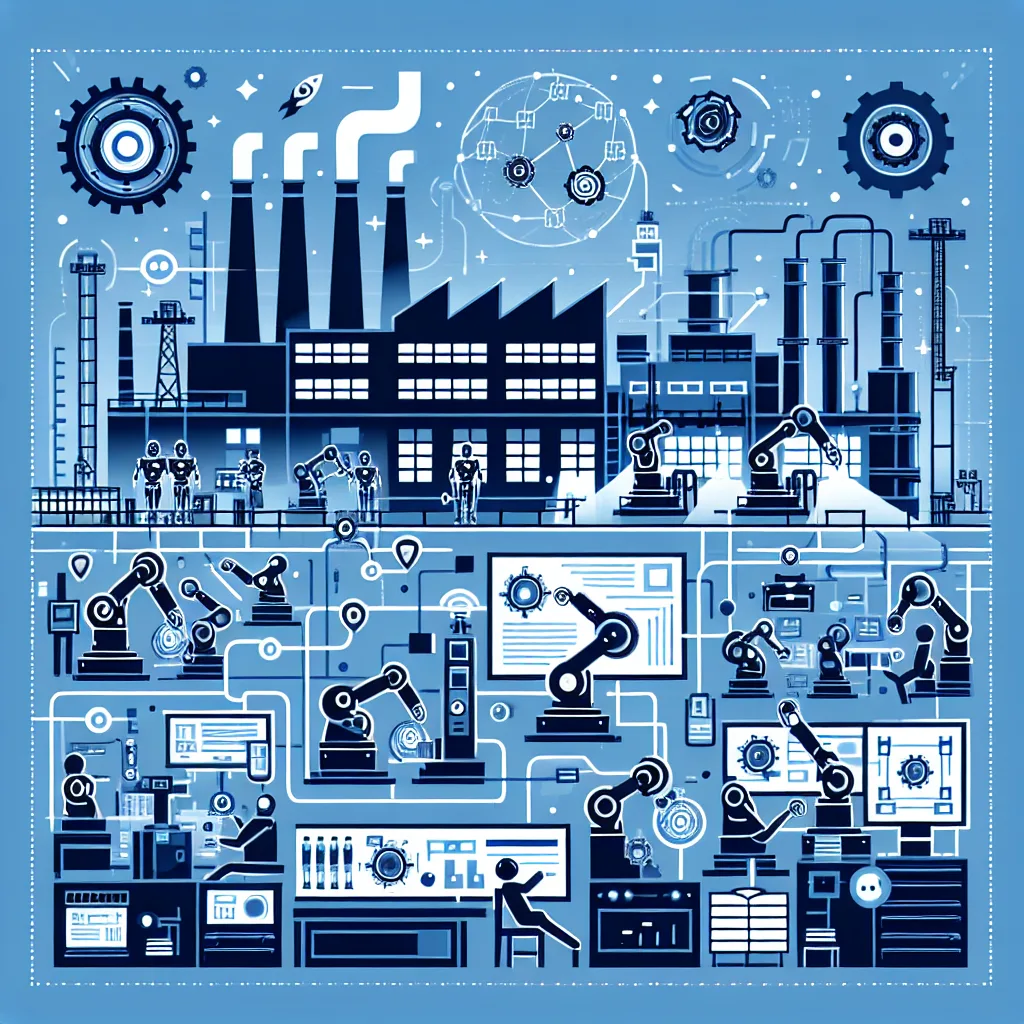
Automation represents one of the biggest advantages of m2m technology in manufacturing environments. M2m systems enable machines to coordinate their operations smoothly. They adjust production parameters based on demand forecasts, material availability, and quality requirements. This level of automation reduces dependency on manual oversight while keeping precise control over manufacturing processes.
Advanced m2m networks connect multiple production systems to create unified automation platforms. These platforms can optimize energy consumption by coordinating machine operations during peak efficiency periods. They automatically adjust production speeds based on downstream capacity. They also maintain consistent quality standards across different production runs. The technology enables factories to operate with minimal human intervention while achieving superior performance metrics.
Process control through m2m communication extends beyond individual machines to entire production lines. Smart manufacturing systems use machine-to-machine communication to synchronize conveyor speeds. They coordinate robotic assembly operations and manage material flow between workstations. This comprehensive approach to automation shows how m2m technology enables intelligent production control across various industries.
Sensor Networks and Real-Time Monitoring
Sensor networks form the sensory system of smart factories. They provide continuous environmental and operational monitoring capabilities. M2m sensors collect data on temperature, humidity, pressure, vibration, and countless other parameters. These parameters influence manufacturing quality and efficiency. These interconnected sensor systems create comprehensive monitoring networks that enable proactive management of production conditions.
The integration of iot and m2m technologies in sensor networks creates powerful monitoring capabilities. These extend throughout the manufacturing facility. Environmental sensors monitor air quality and temperature control systems. Production sensors track machine performance and product quality metrics. This comprehensive sensor coverage enables factory managers to maintain optimal conditions for both equipment operation and product quality.
Real-time monitoring through m2m sensor networks enables immediate response to changing conditions. When sensors detect deviations from optimal parameters, m2m systems can automatically adjust equipment settings. They can activate alert systems or initiate corrective procedures. This capability shows how machine monitoring with m2m provides real-time equipment health tracking that prevents quality issues and production disruptions.
Predictive Maintenance and Equipment Optimization
Predictive maintenance represents one of the most valuable m2m applications in smart manufacturing. By analyzing continuous data streams from connected devices, m2m systems can predict equipment failures before they occur. This enables maintenance teams to schedule repairs during planned downtime rather than responding to unexpected breakdowns.
M2m technology enables sophisticated predictive maintenance algorithms. These analyze vibration patterns, temperature trends, and performance metrics to identify early warning signs of equipment degradation. These systems learn from historical data and operational patterns to improve prediction accuracy over time. Machine learning algorithms integrated with m2m networks can detect subtle changes in equipment behavior. These changes might escape human operators.
The optimization benefits of predictive maintenance extend beyond preventing failures. M2m systems enable maintenance scheduling that optimizes resource allocation. They minimize production disruption and extend equipment lifespan. This approach transforms maintenance from a reactive cost center into a strategic advantage. It improves overall equipment effectiveness. Predictive maintenance with m2m reduces downtime and costs by delivering significant financial benefits.
Supply Chain Integration Through M2M
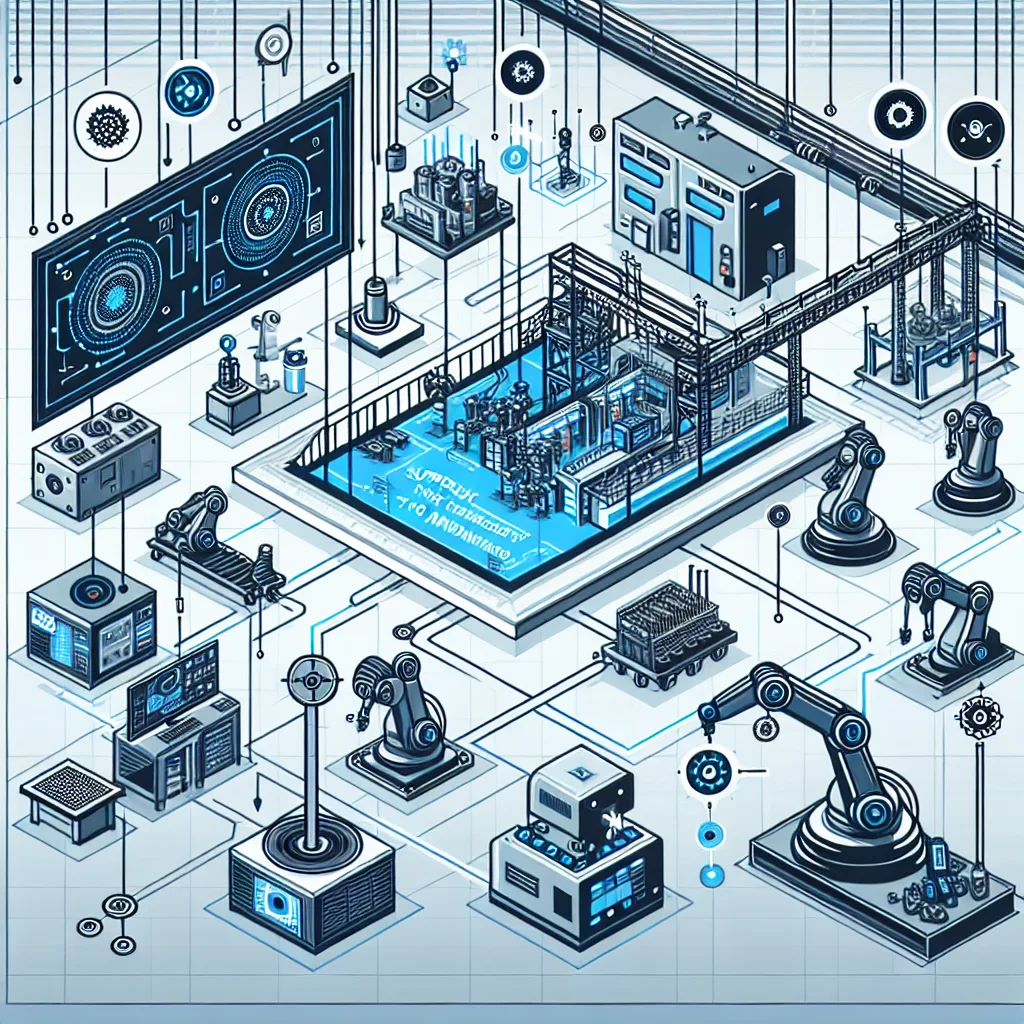
Supply chains benefit tremendously from m2m communication systems. These enable real-time coordination between manufacturing facilities, suppliers, and distribution networks. M2m technology creates visibility across entire supply chains. This allows stakeholders to track inventory levels, monitor shipment status, and coordinate production schedules based on actual demand patterns.
Inventory management systems using m2m technology automatically monitor stock levels. They generate replenishment orders when materials reach predetermined thresholds. This automation reduces the risk of production delays due to material shortages. It also minimizes excess inventory carrying costs. M2m systems can also coordinate with supplier systems to optimize delivery schedules and reduce transportation costs.
The integration of supply chains through m2m communication extends beyond basic inventory management. It encompasses quality tracking, regulatory compliance, and demand forecasting. Connected devices throughout the supply chain share information about product conditions, handling procedures, and quality test results. This comprehensive data sharing enables supply chain partners to maintain product integrity and respond quickly to changing market conditions.
The Future of M2M in Manufacturing
The future of m2m in manufacturing points toward even greater integration of artificial intelligence and machine learning capabilities. Advanced m2m systems will incorporate more sophisticated analytics. These enable autonomous optimization of production processes, self-healing manufacturing networks, and adaptive quality control systems that learn from production data.
Emerging m2m technologies will expand connectivity beyond traditional factory boundaries. They will create integrated ecosystems that include smart cities infrastructure, smart homes, and smart metering systems. This expanded connectivity will enable manufacturers to respond to broader economic and environmental factors that influence production decisions.
Security considerations will become increasingly important as m2m networks expand and integrate with cloud-based systems. Future m2m implementations will require robust security measures. These protect sensitive manufacturing data while enabling the seamless communication that powers smart factory operations. The evolution toward secure m2m networks will ensure that manufacturing facilities can leverage advanced connectivity while maintaining operational security.
The internet of things revolutionizes manufacturing by creating interconnected networks. Every machine, sensor, and control system communicates autonomously. This machine to machine communication eliminates human intervention in routine data exchanges. This allows production lines to optimize themselves in real-time. Smart factories leverage this technology to monitor equipment performance, predict maintenance needs, and adjust production parameters automatically.
M2M and IoT technologies work together to create comprehensive industrial ecosystems. These are transforming industries worldwide. Manufacturers use M2M technology to connect legacy equipment with modern control systems. This enables seamless integration with existing systems without costly overhauls. M2M capabilities reach full potential when factories combine real-time machine control with predictive analytics.
Industrial Applications Across Sectors
Companies across industries implement M2M solutions to enable communication between diverse manufacturing assets. These range from assembly robots to quality control sensors. This interconnected world of industrial devices generates massive amounts of operational data. This data feeds directly into optimization algorithms. IoT connects production equipment with enterprise resource planning systems. This creates unified visibility across entire manufacturing operations.
M2M communication protocols enable smart factories to monitor machine health and performance continuously through embedded sensors and wireless connectivity. IoT analytics transforms raw sensor data into actionable insights that prevent equipment failures and reduce downtime. M2M implementation focuses on maximizing operational efficiency while maintaining robust communication and security standards.
Smart Infrastructure Integration
Smart factories extend their connectivity beyond production floors. They integrate with smart grids and external infrastructure systems. M2M refers to the direct communication protocols that enable these automated connections without human oversight. This technology enables smart manufacturing facilities to participate in demand response programs and optimize energy consumption based on real-time grid conditions. Sophisticated devices and communication networks ensure reliable data transmission throughout the facility.
Predictive Maintenance Through M2M Intelligence
Factory equipment equipped with m2m sensors continuously transmit operational data to central monitoring systems. This enables proactive maintenance strategies that prevent costly breakdowns. These sensors track temperature fluctuations, vibration patterns, and performance metrics to assess machine conditions in real-time. Analytics and machine learning algorithms process this data stream to identify patterns. These patterns indicate potential equipment failures weeks or months before they occur.
Manufacturing facilities use m2m technology to enhance their inventory management through automated systems. These systems monitor stock levels and trigger reorders. Smart shelves equipped with weight sensors and RFID readers automatically track product consumption. They communicate restocking needs to warehouse management systems. This automated approach reduces human error and ensures production lines never halt due to material shortages.
Cross-Industry M2M Applications Beyond Manufacturing
While factories represent the core application, M2M communication works across diverse sectors to optimize operations and resource management. Agricultural operations implement smart irrigation systems that adjust water delivery based on soil moisture readings and weather forecasts. Healthcare facilities deploy smart pill dispensers that track medication adherence and alert caregivers when patients miss doses.
Urban environments benefit from applications like smart waste collection systems. These optimize pickup routes based on bin capacity sensors. Integrating m2m solutions requires robust security measures to protect sensitive operational data from cyber threats. These systems establish encrypted communication channels enabling seamless communication between devices while maintaining data integrity across the network.
Frequently Asked Questions
How does M2M communication work in smart factories?
M2m communication in smart factories enables direct data exchange between connected devices without human intervention. Production equipment, sensors, and control systems share real-time information through established communication protocols. This allows automated decision-making and process optimization across manufacturing processes.
What are the key benefits of M2M in manufacturing?
The key benefits of m2m in manufacturing include reduced operational costs through automation. It also provides improved product quality via real-time monitoring, enhanced predictive maintenance capabilities, and optimized energy consumption. M2m systems enable manufacturers to operate more efficiently while minimizing human intervention requirements.
Which industries benefit most from M2M technology?
M2m technology benefits various industries including automotive manufacturing, electronics production, pharmaceuticals, food processing, and chemical manufacturing. These sectors leverage m2m applications for quality control, process automation, and supply chain optimization. This helps them maintain competitive advantages in global markets.
How do M2M sensors improve factory operations?
M2m sensors continuously monitor environmental conditions, equipment performance, and product quality parameters. These sensors enable real-time alerts when conditions deviate from optimal ranges. This supports proactive management of production processes and prevents quality issues before they impact finished products.
What role does IoT play in M2M-powered smart factories?
Industrial iot and m2m technologies work together to create comprehensive connectivity throughout smart factories. While m2m focuses on direct machine-to-machine communication, iot devices expand connectivity to include cloud-based analytics, remote monitoring capabilities, and integration with enterprise management systems across various operational areas.
Can M2M technology work without internet connectivity?
M2m systems can operate in local network environments without internet connectivity. They use dedicated communication protocols for device-to-device communication. However, cloud connectivity enhances m2m capabilities by enabling advanced analytics, remote monitoring, and integration with external supply chain partners and management systems.
How does M2M technology differ from traditional IoT in manufacturing?
M2M refers specifically to direct device-to-device communication without human intervention. IoT encompasses broader connected device ecosystems including cloud platforms and user interfaces. Both technologies work together in smart factories. M2M handles immediate machine control decisions and IoT connects the entire system to enterprise-wide analytics platforms. This combination maximizes operational efficiency through automated responses and strategic insights.
What security considerations are critical when implementing M2M in factories?
Communication and security protocols must address both network vulnerabilities and physical device access points in industrial environments. Companies must implement encrypted data transmission, secure device authentication, and network segmentation. This protects against cyber threats. M2M security requires most attention when securing legacy equipment that wasn't designed with modern cybersecurity standards.
Can existing factory equipment integrate with new M2M systems?
Most manufacturers achieve seamless integration with existing systems through gateway devices and protocol converters. These bridge older equipment with modern M2M networks. These solutions enable communication between legacy machines and new IoT analytics platforms without requiring complete equipment replacement. Smart factories often begin M2M implementation gradually. They connect critical systems first while planning broader integration phases.
What industries benefit most from M2M-powered smart factory implementations?
Manufacturing sectors across industries leverage M2M technology. Automotive, pharmaceuticals, and electronics lead adoption due to their complex production requirements. These industries use M2M technology to maintain strict quality control, optimize supply chain coordination, and ensure regulatory compliance through automated monitoring systems. The interconnected world of modern manufacturing depends on reliable M2M communication to maintain competitive advantages and operational excellence.
How does M2M communication work in smart factory environments?
M2M communication works by establishing direct data exchange between industrial devices without human intervention. Sensors, actuators, and control systems share information through wireless or wired networks. This creates an interconnected ecosystem that responds automatically to changing conditions. This enables real-time adjustments to production parameters and immediate alerts when issues arise.
What security measures protect M2M systems in manufacturing?
Modern M2M implementations incorporate multiple security layers. These include encrypted data transmission, device authentication, and network segmentation. These security measures protect industrial systems from unauthorized access and data breaches that could disrupt production or compromise intellectual property. Regular security updates and monitoring ensure continuous protection against evolving cyber threats.
Can M2M technology enhance operations in other industries besides manufacturing?
M2M applications extend far beyond factory floors into sectors like agriculture, healthcare, and municipal services. Smart waste management systems optimize collection schedules. Smart irrigation networks conserve water resources through precise delivery timing. These diverse implementations show how integrating m2m technology creates value across virtually any industry requiring automated monitoring and control.
What types of data do M2M sensors collect in smart factories?
Factory sensors equipped with m2m capabilities monitor critical parameters. These include temperature, pressure, vibration, energy consumption, and production output rates. This continuous data collection enables comprehensive analysis of machine conditions and overall equipment effectiveness. The resulting insights drive predictive maintenance schedules and optimize production workflows for maximum efficiency.
M2m technology continues transforming manufacturing by creating intelligent, connected production environments. These optimize efficiency and quality. The integration of machine-to-machine communication with advanced analytics, artificial intelligence, and comprehensive sensor networks enables factories to achieve unprecedented levels of automation and performance. As manufacturers adopt these technologies, they position themselves to compete effectively in an increasingly connected and demanding global marketplace. The implementation of m2m in quality control systems shows how this technology continues evolving to meet manufacturing challenges while enabling sustainable growth and operational excellence.
Related Articles
How M2M Enables Lights-Out Manufacturing
M2M technology changes how factories work. It lets machines talk to each other without people. This creates fully automated production facilities that r...
M2M for Supply Chain Optimization: End-to-End Visibility
M2M for supply chain optimization complete network visibility changes how businesses monitor and manage their supply chain operations. Traditional suppl...
OEE and M2M: Using Machine Data to Improve Equipment Effectiveness
IIoT platforms provide the foundational infrastructure for collecting data from machines across entire manufacturing facilities. These connected systems...