In this article
- M2M communication changes last-mile delivery through real-time data sharing, better routes, and smart systems
- Connected delivery trucks and smart sensors give clear views of delivery work, cutting failed deliveries by 25-40%
- Smart computer programs with M2M networks find better delivery routes, cutting costs by up to 20%
- Self-driving delivery systems using M2M tech enable drone deliveries and robot solutions for better delivery speed
- Real-time supply chain views through M2M networks reduce delivery times and make customers happier
- Smart forecasting using M2M data helps delivery companies predict demand and use resources better
- How M2M Technology Transforms Delivery Operations
- Route Optimization Through Connected Systems
- Enhancing Customer Experience Through Real-Time Delivery Visibility
- Autonomous Delivery Solutions and Drone Technology
- Supply Chain Integration for Last-Mile Efficiency
- Machine Learning and Predictive Analytics in Delivery Optimization
- Measuring and Improving Delivery Performance
How M2M Technology Transforms Delivery Operations
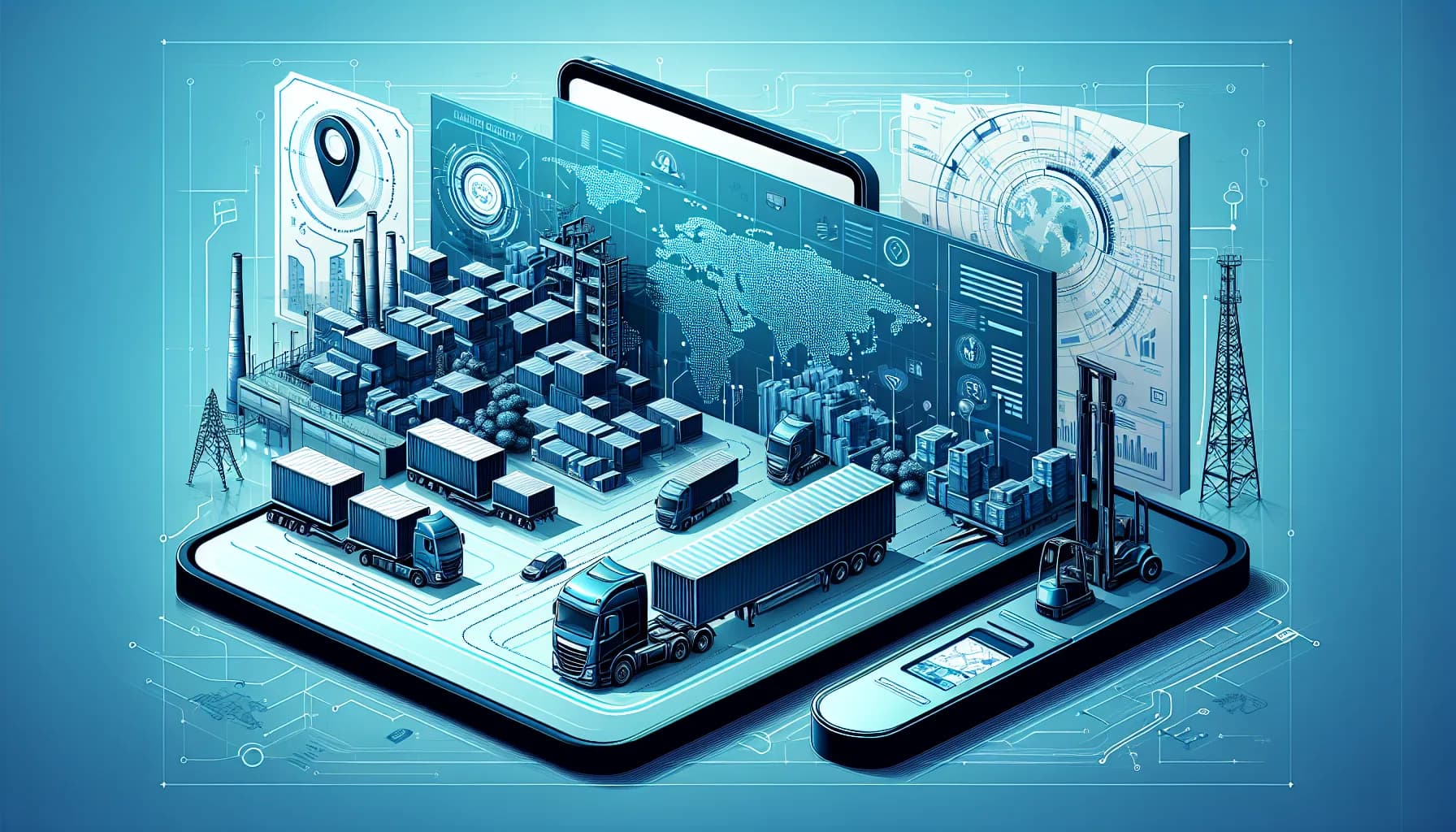
M2M communication changes delivery work by creating smart networks of connected devices. Delivery trucks with tracking systems talk directly to control centers. They share real-time location data, traffic conditions, and delivery updates. This constant data sharing lets delivery companies make quick changes to routes and schedules. Connected package tracking systems use IoT sensors. These sensors watch temperature, humidity, and location during the delivery trip. The sensors automatically alert delivery teams when packages need special care. They also warn when delivery conditions change. This leads to more reliable deliveries with fewer damaged goods and happier customers.Real-Time Fleet Management
Modern delivery fleets work as connected networks. Each delivery truck collects data. GPS systems, engine checks, and driver monitors send information to central platforms. This data helps fleet managers cut fuel use, reduce repair costs, and improve delivery work across their network. Delivery drivers get automatic alerts about traffic, weather changes, and customer preferences. These alerts come through mobile devices connected to the M2M network. This information helps drivers make better choices about delivery routes and timing. The result is more efficient delivery work.Automated Management Systems
Smart management systems use M2M connections to automatically assign delivery routes. They consider real-time conditions like traffic patterns, delivery time windows, truck capacity, and driver availability. The automation reduces manual planning time and makes delivery work more efficient. When unexpected problems happen, M2M systems automatically recalculate routes. They reassign deliveries to available trucks. This quick response reduces service problems and keeps delivery performance high.Route Optimization Through Connected Systems
Route optimization shows one of the biggest benefits of M2M technology in last-mile delivery. Connected systems constantly analyze traffic patterns, delivery locations, and truck capabilities. They create the most efficient delivery routes. Smart route programs solve complex vehicle routing problems. They process vast amounts of real-time data from multiple sources. Smart delivery systems connect with traffic management networks. They get live updates about road conditions, construction zones, and traffic accidents. This information enables quick route changes. These changes help delivery trucks avoid delays and keep scheduled delivery windows. Route optimization software powered by M2M data can reduce total delivery distances by 15-25%. This is much better than manual route planning.Dynamic Route Adjustments
Connected delivery systems make real-time route changes based on changing conditions during the delivery day. When a customer reschedules a delivery or a truck faces unexpected delays, M2M systems automatically recalculate optimal routes. This flexibility ensures delivery operations stay efficient even when facing problems. Machine learning programs analyze past delivery data. They identify patterns and predict optimal route setups for different scenarios. These prediction models improve delivery route planning. They anticipate traffic patterns, customer availability, and seasonal demand changes.Multi-Modal Delivery Coordination
M2M networks coordinate multiple delivery methods in one operation. This includes regular delivery trucks, drone deliveries, and self-driving delivery robots. This multi-modal approach lets delivery companies pick the most efficient delivery method for each package. They consider location, urgency, and cost. Coordinated delivery systems can hand off packages between different delivery modes smoothly. For example, a delivery truck might transport packages to a staging area. Then drones complete the final delivery to customers in hard-to-reach locations. This coordination makes the entire delivery process better while expanding service coverage areas.Enhancing Customer Experience Through Real-Time Delivery Visibility
Flexible Delivery Options
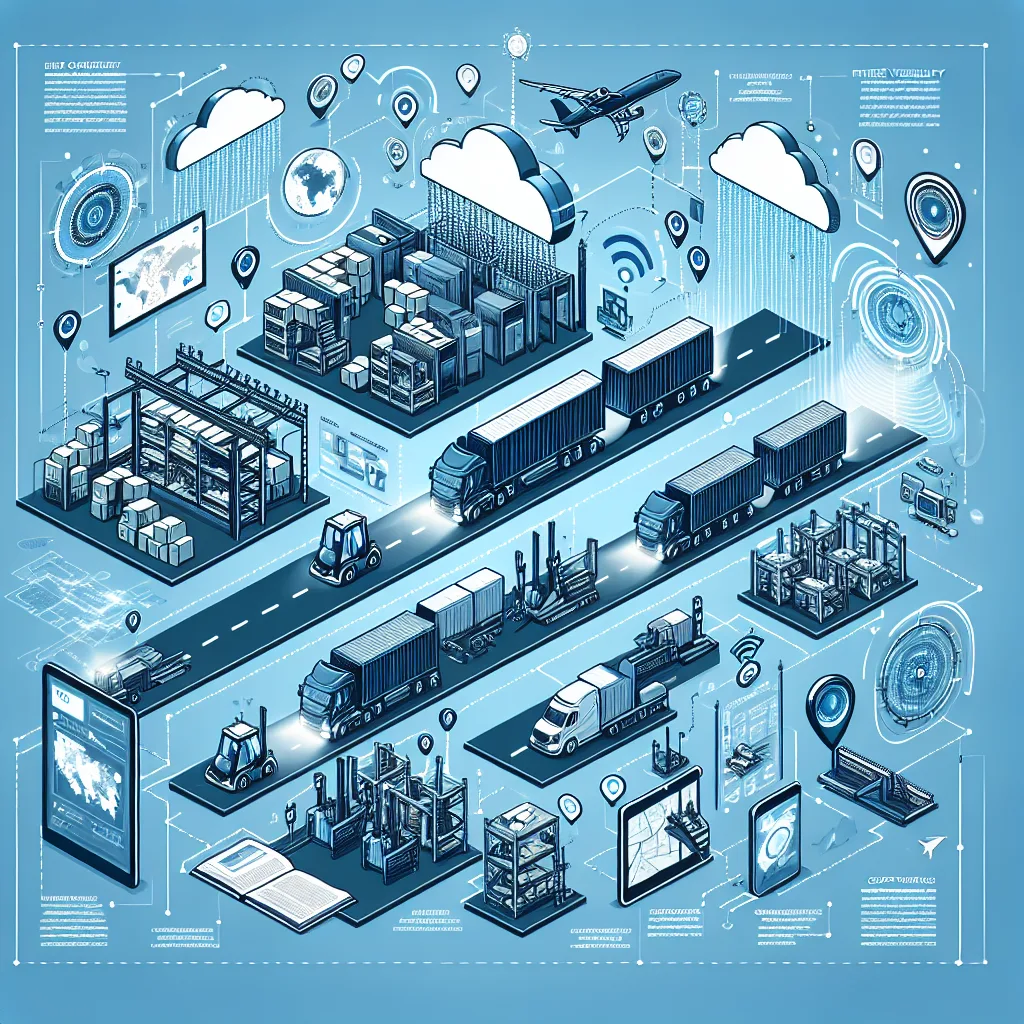
M2M-enabled delivery systems offer customers flexible delivery options. These options adapt to their preferences and availability. Smart lockers connected to delivery networks let customers receive packages at convenient locations. These locations work outside traditional business hours. Connected storage systems notify customers when packages arrive. They provide secure access codes through mobile apps. Dynamic delivery scheduling lets customers modify delivery windows in real-time based on their availability. Connected systems automatically adjust delivery routes to handle these changes. They maintain operational efficiency. This flexibility greatly improves customer satisfaction and reduces failed delivery attempts.Predictive Delivery Notifications
M2M systems use predictive analytics to anticipate delivery issues before they happen. They analyze weather patterns, traffic conditions, and past delivery data. These systems can warn customers about potential delays hours in advance. This proactive communication helps manage customer expectations. It shows superior delivery service quality. Connected delivery systems also give customers detailed package condition information during the delivery journey. Temperature-sensitive shipments, fragile items, and high-value packages can be monitored continuously. Customers receive alerts if any issues arise during transport.Autonomous Delivery Solutions and Drone Technology
Autonomous systems powered by smart M2M networks represent the next step in last-mile logistics. They offer unprecedented efficiency and cost reduction opportunities. These systems rely heavily on M2M communication to navigate safely. They coordinate with other delivery vehicles and maintain continuous connection with central control systems. Drone deliveries use M2M networks to communicate with air traffic control systems, weather monitoring stations, and ground-based delivery operations. This connectivity ensures safe flight operations. It also lets drones adjust flight paths based on real-time conditions. Current drone delivery systems can complete deliveries 60-80% faster than traditional delivery trucks in suitable environments.Autonomous Delivery Robots
Ground-based autonomous delivery robots use M2M connectivity to navigate sidewalks and cross streets safely. They also locate delivery addresses. These robots communicate with traffic management systems, other delivery vehicles, and pedestrians. They use various sensors and communication protocols. The integration creates a comprehensive delivery network. This network operates efficiently alongside traditional delivery methods. Connected autonomous systems can coordinate deliveries across multiple robots and vehicles. This optimizes overall delivery performance. When one autonomous unit encounters an obstacle or experiences a technical issue, the M2M network automatically reassigns deliveries. It sends them to other available units, maintaining service continuity.Safety and Regulatory Compliance
M2M systems ensure autonomous delivery solutions comply with local regulations and safety requirements. Connected monitoring systems track autonomous vehicle performance. They maintain detailed operation logs and provide real-time oversight capabilities for remote operators. This comprehensive monitoring helps delivery companies meet regulatory requirements. It also builds public trust in autonomous delivery technology. Emergency response systems integrated into M2M networks enable immediate intervention. This happens when autonomous delivery systems encounter problems. Remote operators can take control of vehicles or drones instantly. This ensures safe resolution of any issues that arise during delivery operations.Supply Chain Integration for Last-Mile Efficiency
Effective last-mile delivery depends on smooth integration with broader supply chain management systems. M2M technology creates end-to-end visibility from manufacturing facilities to customer doorsteps. This lets delivery companies optimize their operations based on complete supply chain data. This integration improves inventory management, reduces delivery delays, and enhances overall supply chain efficiency. Connected warehouse systems share real-time inventory data with delivery networks. This enables just-in-time preparation of outbound shipments. When customer orders arrive, M2M systems immediately identify optimal fulfillment locations. They begin coordinating delivery logistics before packages leave the warehouse. This proactive approach reduces delivery time and improves customer satisfaction.Warehouse-to-Vehicle Integration
Smart loading systems use M2M connectivity to optimize package placement within delivery vehicles. They consider delivery routes and package characteristics. Connected scanners automatically verify package loading accuracy. They alert drivers to any discrepancies before vehicles depart. This integration reduces delivery errors and eliminates time-consuming return trips to warehouses. Vehicle capacity optimization algorithms analyze package dimensions, weight, and delivery locations. This maximizes vehicle utilization. M2M systems can recommend specific loading configurations. These improve delivery efficiency while ensuring package security throughout transport.Cross-Dock Operations
M2M networks coordinate complex cross-dock operations. These are where packages transfer between different delivery vehicles and transportation modes. Connected systems track package movements through sorting facilities. They automatically update delivery schedules based on processing times and vehicle availability. This coordination ensures smooth transitions and maintains delivery commitments. Real-time coordination between different transportation modes enables more efficient parcel deliveries. This happens through combined delivery strategies. Long-haul trucks deliver packages to local distribution centers. Smaller delivery vehicles complete final delivery to customers. M2M systems orchestrate these handoffs to minimize delays and optimize resource utilization.Machine Learning and Predictive Analytics in Delivery Optimization
Machine learning algorithms powered by M2M data streams change delivery optimization. They identify patterns and predict outcomes that human planners cannot detect. These systems analyze millions of data points from delivery operations. They optimize routes, predict delivery demand, and improve resource allocation decisions. AI and machine learning technologies process real-time information from connected vehicles, traffic systems, and customer interactions. This continuously improves delivery performance. Predictive analytics identify optimal delivery time windows for different customer segments and geographic areas. They analyze historical delivery data, customer behavior patterns, and external factors like weather and traffic. Machine learning systems can predict when customers are most likely to be available for deliveries. This intelligence helps delivery companies improve first-attempt delivery success rates and reduce overall delivery costs.Reinforcement Learning Applications
Reinforcement learning algorithms optimize delivery operations by learning from the outcomes of different routing decisions and operational strategies. These systems continuously test alternative approaches to delivery challenges. They adapt their recommendations based on performance results. Over time, reinforcement learning creates increasingly sophisticated delivery optimization strategies. These surpass traditional rule-based systems. Connected delivery networks provide the data infrastructure necessary for reinforcement learning algorithms to operate effectively. Real-time feedback from delivery outcomes enables these systems to rapidly identify successful strategies. They eliminate ineffective approaches.Demand Forecasting
M2M systems collect data from multiple sources to create accurate demand forecasting models. These predict delivery volume, geographic distribution, and timing patterns. These predictions help delivery companies optimize staffing levels, vehicle deployment, and inventory positioning. They meet anticipated demand efficiently. Accurate forecasting reduces operational costs while ensuring adequate capacity during peak demand periods. Seasonal patterns, weather conditions, and special events significantly impact delivery demand. Machine learning systems analyze these factors alongside historical data. They create sophisticated models that anticipate demand fluctuations. They recommend appropriate operational adjustments.Measuring and Improving Delivery Performance
M2M systems provide comprehensive data collection capabilities. These enable detailed analysis of delivery performance across all operational metrics. Connected sensors and tracking systems generate continuous streams of performance data. This helps delivery companies identify improvement opportunities. It also measures the effectiveness of optimization initiatives. This data-driven approach to performance management drives continuous improvement in delivery efficiency and customer satisfaction. Key performance indicators tracked through M2M systems include delivery success rates, average delivery times, fuel consumption, vehicle utilization, and customer satisfaction scores. Real-time dashboards provide delivery managers with immediate visibility into operational performance. They alert them to any issues requiring immediate attention. This transparency enables rapid response to performance problems and helps maintain service quality standards.Operational Efficiency Metrics
M2M networks capture detailed metrics about every aspect of delivery operations. This includes package handling times at warehouses to final delivery completion. These measurements help identify bottlenecks in the delivery process. They quantify the impact of operational changes. Delivery companies use this data to benchmark performance against industry standards and set improvement targets. Cost analysis powered by M2M data helps delivery companies understand the true economics of their operations. They track fuel consumption, vehicle maintenance costs, labor expenses, and other operational metrics. Companies can identify opportunities to reduce delivery cost while maintaining service quality.Customer Satisfaction Analysis
Connected delivery systems automatically collect customer feedback through mobile applications and delivery confirmation systems. This feedback data combines with operational metrics to create comprehensive views of delivery performance. This includes both operational and customer perspectives. The integration helps delivery companies optimize their operations to improve efficiency and customer satisfaction simultaneously. Predictive analytics identify customers at risk of service dissatisfaction. This is based on delivery patterns and historical feedback. This early warning system enables proactive interventions to address potential issues. This happens before they negatively impact customer relationships.Advanced Routing Algorithms Transform Urban Operations
M2M systems implement smart combinatorial optimization algorithms to solve the routing problem for last-mile delivery networks. These algorithms analyze real-time traffic patterns, delivery zones, and customer locations. They create optimized routes that minimize delivery times and fuel consumption. The enhanced efficiency gained through M2M-enabled routing directly addresses the optimization problem that has long plagued last-mile operations.
Smart sensors embedded in delivery vehicles continuously transmit data about traffic conditions, weather impacts, and delivery progress to central optimization systems. This real-time feedback allows for dynamic route adjustments. These improve delivery speed while reducing operational costs. M2M communication enables delivery companies to process thousands of last-mile deliveries simultaneously. This creates a responsive delivery model that adapts to changing urban conditions.
Sustainable Technologies Drive Future Delivery Models
Drone and autonomous vehicle deliveries represent the next evolution in sustainable delivery practices. They are powered by M2M communication networks. These technologies enable same-day delivery services while significantly reducing carbon emissions. This happens through optimized flight paths and electric vehicle routing. Last-mile delivery optimization through M2M systems supports both environmental goals and customer expectations for faster delivery times.
Connected delivery networks leverage IoT sensors to monitor package conditions, vehicle performance, and delivery reliability across entire supply chains. This comprehensive monitoring improves the overall delivery experience. It ensures package integrity and provides accurate delivery estimates. M2M-enabled tracking systems transform traditional pickup and delivery operations into data-driven services. These optimize every aspect of the last-mile delivery system.
Smart city infrastructure increasingly supports delivery in urban environments. This happens through connected traffic signals, parking systems, and loading zone management. This optimization reduces congestion and enables more efficient urban deliveries. It uses coordinated M2M communication between delivery vehicles and city infrastructure. Companies implementing these technologies report significant improvements in last mile delivery efficiency and customer delivery satisfaction across diverse delivery scenarios. This establishes new benchmarks for last-mile operations and last mile logistics performance.
Analytics platforms process M2M data to identify patterns in last-mile parcel delivery operations. This enables predictive maintenance and proactive route optimization. These systems analyze driver behavior, vehicle performance, and delivery patterns. They continuously refine optimizing last-mile delivery strategies and improve overall delivery practices throughout the network.
Market Drivers and Cost Efficiency
The last mile delivery market continues to expand rapidly as consumer expectations drive demand for faster, more efficient delivery solutions. M2M communication systems directly address the cost of delivery. They automate route planning, reduce manual management processes, and minimize fuel consumption through optimized vehicle utilization. These connected systems enable logistics companies to cut operational expenses while maintaining the speed of delivery that customers expect.
M2M-enabled sensors and tracking devices transform last-mile deliveries. They provide real-time visibility into vehicle performance, cargo conditions, and delivery progress. The adoption of sustainable delivery practices accelerates when companies deploy M2M systems. These monitor electric vehicle charging, optimize battery usage, and track carbon emissions across their fleets. This data-driven approach helps logistics providers make informed decisions about fleet composition and routing strategies.
Advanced Routing and Hybrid Delivery Systems
Modern M2M platforms excel at tracking and route optimization. They use machine learning algorithms to analyze traffic patterns, delivery windows, and vehicle capacities in real-time. A sophisticated routing algorithm for last-mile delivery processes thousands of variables simultaneously. It determines the most efficient path from hub to the final delivery destination. These systems reduce delivery times by up to 30% while minimizing driver workload and vehicle wear.
Hybrid truck–drone delivery systems rely heavily on M2M communication to coordinate between ground vehicles and aerial units. Last-mile delivery by unmanned aerial vehicles requires seamless data exchange between drones, management centers, and mobile command units. This ensures safe and efficient operations. The delivery by unmanned aerial vehicles becomes possible through M2M networks. These manage flight paths, battery levels, and payload distribution across multiple delivery points.
M2M connectivity proves crucial in last-mile delivery scenarios where traditional communication methods fail. This includes remote locations or areas with limited cellular coverage. The final leg of delivery often presents the greatest challenges in last-mile operations. Packages must navigate complex residential areas, apartment buildings, and restricted access zones. Connected delivery vehicles equipped with M2M systems can automatically update customers about delays. They coordinate with building access systems and provide precise arrival estimates. This works even when delivery is the final step in a complex logistics chain.
M2M Communication Optimizes Delivery Route Planning
M2M communication systems analyze real-time traffic data, weather conditions, and delivery volumes. They optimize routes for last-mile deliveries. These systems automatically adjust delivery schedules when drivers encounter unexpected delays. This ensures packages reach customers within promised timeframes. M2M networks enable delivery vehicles to communicate directly with distribution centers. They update route priorities based on changing conditions throughout the day.
Smart sensors embedded in delivery trucks transmit vehicle diagnostics and fuel consumption data back to fleet management systems via M2M connections. This continuous monitoring prevents breakdowns that could disrupt last-mile deliveries. It helps companies maintain optimal vehicle performance. M2M-enabled predictive maintenance reduces unexpected vehicle downtime by up to 30%. This ensures delivery fleets remain operational during peak demand periods.
Real-Time Package Tracking Through M2M Networks
M2M-connected tracking devices provide customers with precise delivery windows and real-time location updates for their packages during last-mile deliveries. These systems automatically send notifications when packages are loaded onto delivery vehicles, when drivers approach delivery locations, and when deliveries are completed. The continuous data stream from M2M devices eliminates the guesswork from package tracking. It reduces customer service inquiries by providing transparent delivery status updates.
Temperature-sensitive shipments benefit significantly from M2M monitoring during last-mile deliveries. Sensors continuously track environmental conditions and alert drivers to any deviations. M2M systems automatically log temperature, humidity, and shock data throughout the delivery process. This ensures pharmaceutical products, fresh foods, and other sensitive items maintain their integrity. This real-time monitoring capability helps companies meet strict regulatory requirements and reduce product spoilage costs.
Frequently Asked Questions
How does M2M technology improve last-mile delivery efficiency and reliability?
M2M technology creates connected networks of delivery vehicles, packages, and warehouse systems that communicate in real-time. This connectivity enables dynamic route optimization. It reduces delivery failures through better planning and provides continuous visibility into delivery operations. Connected systems can adjust to changing conditions instantly. This improves both efficiency and reliability of last-mile deliveries.
What role does machine learning play in optimizing delivery operations?
Machine learning algorithms analyze vast amounts of data from M2M networks to identify optimal delivery patterns, predict customer availability, and solve complex vehicle routing problems. These systems continuously learn from delivery outcomes to improve route optimization and delivery efficiency. AI-powered delivery optimization can reduce operational costs by 15-25% while improving customer satisfaction.
How do autonomous delivery systems integrate with existing delivery networks?
Autonomous delivery robots and drone deliveries use M2M connectivity to coordinate with traditional delivery vehicles and central management systems. Connected networks enable seamless handoffs between different delivery methods. They ensure autonomous systems operate safely alongside conventional delivery operations. This integration expands delivery capabilities while maintaining operational efficiency.
What are the cost benefits of implementing M2M in last-mile delivery?
M2M systems reduce delivery costs through improved route efficiency, reduced fuel consumption, and fewer failed delivery attempts. Connected delivery networks optimize vehicle utilization. They enable predictive maintenance that reduces operational expenses. Companies typically see 10-20% reduction in delivery cost within the first year of M2M implementation while improving delivery performance.
How does supply chain integration enhance delivery efficiency?
Integrated supply chain management systems share real-time data between warehouses, transportation networks, and delivery operations. This connectivity enables proactive planning. It optimizes inventory placement and coordinates complex multi-modal delivery strategies. Supply chain integration through M2M networks reduces delivery times and improves resource allocation across the entire logistics network.
What types of delivery performance metrics can M2M systems track?
M2M networks monitor comprehensive delivery performance indicators including delivery success rates, route efficiency, fuel consumption, vehicle utilization, and customer satisfaction scores. Connected sensors provide real-time data about package conditions, delivery times, and operational costs. This detailed performance tracking enables continuous improvement in delivery operations and customer experience.
How do connected delivery systems enhance customer experience?
M2M-enabled delivery systems provide customers with real-time tracking, accurate delivery windows, and flexible delivery options. Connected networks enable proactive communication about delivery changes. They offer convenient alternatives such as smart lockers. This enhanced visibility and flexibility significantly improve customer satisfaction and reduce failed delivery attempts.
How does M2M technology improve last-mile deliveries in dense urban areas?
M2M systems optimize delivery routes in real-time by analyzing traffic patterns, parking availability, and delivery density across urban deliveries networks. Connected sensors in vehicles and infrastructure communicate continuously to identify the most efficient paths. This reduces delivery times while improving the overall delivery experience. This technology particularly benefits dense urban environments where traditional routing methods struggle with complex logistics challenges.
What role does M2M communication play in sustainable delivery practices?
M2M networks enable sustainable delivery by optimizing vehicle routes to minimize fuel consumption and emissions while supporting electric vehicle integration. Smart charging stations communicate with delivery fleets to coordinate charging schedules. Route optimization reduces unnecessary mileage. These systems help companies achieve environmental goals while maintaining faster delivery standards and improving operational efficiency.
How do M2M systems handle the complexity of same-day delivery operations?
M2M technology processes real-time data from multiple sources to dynamically adjust delivery schedules and routes for same-day delivery services. Connected systems coordinate between warehouses, vehicles, and customer locations. They optimize pickup and delivery sequences throughout the day. This real-time coordination ensures that urgent deliveries reach customers quickly while maintaining efficiency across the entire delivery model.
What advantages does M2M offer for delivery speed optimization?
M2M communication enables instant data exchange between delivery vehicles, management centers, and customers to minimize delays and improve delivery speed. Smart routing algorithms continuously process traffic data, delivery progress, and customer availability to optimize routes in real-time. The system's ability to coordinate across multiple delivery zones simultaneously ensures consistent performance and enhanced delivery reliability across the entire network.
How does M2M technology reduce last-mile delivery costs?
M2M systems optimize last-mile deliveries by automating route planning, vehicle maintenance scheduling, and fuel management processes. These connected solutions reduce the cost of delivery through predictive analytics. These prevent costly breakdowns and minimize unnecessary mileage. The technology also enables dynamic routing adjustments based on real-time traffic and delivery conditions.
What role do drones play in M2M-enabled delivery systems?
Hybrid truck–drone delivery systems use M2M communication to coordinate aerial and ground-based vehicles for maximum efficiency. Last-mile delivery by unmanned aerial vehicles relies on continuous data exchange between drones, control centers, and delivery trucks. They manage flight paths and payload distribution. This integration allows companies to overcome challenges in last-mile operations by accessing hard-to-reach locations quickly.
How does M2M improve delivery speed in urban environments?
M2M-enabled tracking and route optimization systems process real-time traffic data, parking availability, and delivery windows. They maximize the speed of delivery in congested areas. These systems automatically reroute vehicles around traffic incidents. They coordinate with smart city infrastructure to optimize traffic light timing. The last mile of delivery becomes more predictable when M2M networks provide continuous updates about delivery progress and potential delays.
What makes M2M communication essential for sustainable delivery practices?
M2M systems monitor vehicle emissions, battery performance, and energy consumption to support the adoption of sustainable delivery practices across logistics operations. Connected sensors track the environmental impact of last mile deliveries. They optimize routes to minimize carbon footprint while maintaining service quality. This data enables companies to make informed decisions about fleet electrification and sustainable transportation investments.
How does M2M technology reduce delivery times for last-mile deliveries?
M2M systems continuously analyze traffic patterns, delivery volumes, and vehicle locations to optimize routes in real-time for last-mile deliveries. These automated adjustments help drivers avoid congestion and select the most efficient paths to their destinations. Companies typically see 15-25% reductions in delivery times when implementing comprehensive M2M communication networks across their last-mile operations.
What types of sensors are most important for M2M-enabled delivery vehicles?
GPS tracking sensors provide location data for optimizing last-mile deliveries and keeping customers informed about package status. Vehicle diagnostic sensors monitor engine performance, fuel levels, and maintenance needs to prevent breakdowns during critical delivery windows. Environmental sensors track temperature, humidity, and shock conditions to ensure product quality throughout the last-mile delivery process.
Can M2M systems help reduce failed delivery attempts?
M2M networks enable dynamic delivery scheduling by analyzing customer availability patterns and real-time location data for more successful last-mile deliveries. These systems can automatically reschedule deliveries when customers aren't home. They can redirect packages to nearby pickup locations based on customer preferences. Smart M2M communication reduces failed delivery attempts by up to 40% through better timing and flexible delivery options.
How do M2M systems improve delivery driver productivity?
M2M technology provides drivers with optimized route guidance and real-time traffic updates. This eliminates manual route planning and reduces time spent navigating during last-mile deliveries. Automated package scanning and digital proof-of-delivery systems streamline the delivery process and reduce paperwork. These M2M-enabled tools allow drivers to complete more deliveries per shift while maintaining high service quality standards.
M2M in last-mile delivery improving efficiency represents the future of logistics operations. Connected delivery systems create intelligent networks that optimize every aspect of the delivery process. This includes initial route planning to final customer interaction. Companies implementing comprehensive M2M solutions achieve significant improvements in operational efficiency, cost reduction, and customer satisfaction. Machine learning, autonomous delivery systems, and real-time supply chain visibility through M2M networks enable delivery operations that adapt dynamically to changing conditions. This technological evolution transforms last-mile logistics from a cost center into a competitive advantage. It enhances customer relationships and drives business growth. Companies must implement M2M technology today to maintain competitive positioning in the evolving delivery market. Deploy connected sensor networks across your fleet. Integrate machine learning algorithms into route planning systems. Establish real-time communication channels with customers to capture the efficiency gains that M2M technology delivers.Related Articles
M2M for Container Tracking in Global Shipping
Global shipping moves over 90% of the world's trade. Millions of containers cross oceans daily. M2M for container tracking in global shipping changes ho...
Cold Chain Monitoring with M2M Sensors
Temperature-sensitive products lose billions in value each year. This happens when companies don't monitor cold chains properly. Products like medicines...
Asset Tracking with M2M: Real-Time Location and Condition Monitoring
Modern organizations lose billions each year. This happens when they misplace, lose to theft, or underuse their assets. Asset tracking with M2M real-tim...