In this article
- OEE measures equipment effectiveness through availability, performance, and quality metrics, providing manufacturers with actionable insights into production efficiency
- M2M communication and IoT sensors enable automated data collection from production equipment, eliminating manual measurement errors and providing real-time visibility
- AI and predictive analytics transform raw machine data into precise OEE calculations, identifying bottlenecks and optimizing production processes
- Integration with ERP systems creates comprehensive dashboards that track KPIs across the entire shop floor
- Real-time OEE monitoring enables predictive maintenance strategies that reduce unplanned downtime and improve overall profitability
- Machine learning algorithms analyze historical data patterns to forecast equipment failure and optimize production time allocation
- Understanding OEE Fundamentals
- M2M Data Collection Systems
- AI-Powered OEE Calculations
- Real-Time Monitoring Dashboards
- Integration with ERP Systems
- Predictive Maintenance Strategies
Understanding OEE Fundamentals
Overall equipment effectiveness measures manufacturing productivity through three core parts: availability, performance, and quality. The oee metric considers planned production time, actual runtime, ideal cycle time, and product quality. This provides a complete view of equipment use. To calculate oee effectively, manufacturers must track scheduled time versus actual production time. They monitor both planned and unplanned downtime events. Availability measures the percentage of scheduled time that equipment operates. Performance evaluates actual output against ideal cycle time. Quality assesses the percentage of good parts produced without rework needs.The Three Pillars of OEE
Availability represents the ratio of operating time to planned production time. This metric shows losses from equipment failure, setup time, and other scheduled maintenance activities. High availability means reliable equipment that consistently meets scheduled production requirements. Performance measures speed losses by comparing actual cycle time to ideal cycle time. Reduced performance often results from minor stops, reduced speeds, or equipment wear that affects output. Performance optimization requires detailed analysis of production data to identify bottlenecks. Quality captures the impact of defective products on overall effectiveness. Poor quality results in rework, scrap, and reduced customer satisfaction. Quality losses directly affect profitability and need immediate attention to maintain competitive advantage.M2M Data Collection Systems
Machine-to-machine communication changes how manufacturers gather equipment data for oee calculations. IoT sensors attached to production equipment automatically collect real-time data on machine status, cycle times, temperature, vibration, and other critical parameters. This happens without human involvement. Sensor networks deployed across the shop floor capture detailed data from manufacturing equipment. This creates a complete picture of operational performance. These sensors monitor everything from motor current draw to hydraulic pressure. They provide the data necessary for accurate productivity calculations.Automated Data Collection Benefits
Traditional manual data collection methods introduce human error. They provide limited visibility into actual equipment performance. Automated systems using iot sensors eliminate these limitations. They collect data continuously and accurately. This automation ensures that every production cycle contributes to oee metrics calculations. Real-time data collection enables immediate response to equipment issues before they become major problems. When sensors detect unusual conditions, the system can alert operators. It can trigger automatic responses to minimize production losses. Data collected through m2m systems provides the foundation for advanced analytics and ai algorithms. These identify patterns invisible to human observers. This complete data collection approach supports both reactive problem-solving and proactive optimization strategies.AI-Powered OEE Calculations
Artificial intelligence transforms raw sensor data into meaningful oee metrics through sophisticated analysis algorithms. Ai systems process thousands of data points per second. They identify connections between equipment conditions and performance outcomes that human analysts would miss. Machine learning algorithms analyze historical production data. They establish baseline performance metrics and identify deviation patterns that indicate potential problems. These ai systems continuously learn from new data. This improves their accuracy in predicting equipment behavior and calculating precise oee values.Advanced Analytics Applications
Predictive analytics powered by ai examine data patterns to forecast when equipment performance will decline. This enables proactive maintenance scheduling. These systems analyze vibration signatures, temperature trends, and other indicators. They predict equipment failure before it impacts production. Ai algorithms optimize production processes by identifying the ideal operating parameters. These maximize oee across different production scenarios. The system learns from successful production runs. It automatically adjusts settings to maintain optimal performance. Real-time ai analysis provides actionable insights that operators can implement immediately. These improve equipment effectiveness. These insights range from minor parameter adjustments to recommendations for preventive maintenance activities.Real-Time Monitoring Dashboards
Modern manufacturing operations require immediate visibility into equipment performance across the entire facility. Dashboard systems combine real time data from multiple machines. They present oee metrics in easily understood formats that enable quick decision-making. Interactive dashboards display current availability, performance, and quality metrics. They show historical trends and benchmark comparisons. Operators can drill down into specific time periods or equipment to identify exactly where productivity losses occur.Dashboard Functionality Features
Alert systems integrated into monitoring dashboards notify operators immediately when oee metrics fall below acceptable levels. These alerts enable rapid response to emerging problems before they significantly impact overall production efficiency. Customizable dashboard layouts allow different stakeholders to focus on the kpis most relevant to their responsibilities. Production managers might prioritize overall output metrics. Maintenance teams focus on equipment health indicators. Mobile dashboard access ensures that key personnel can monitor equipment effectiveness from anywhere. This enables faster response times and better coordination between teams across multiple shifts.Integration with ERP Systems
Enterprise resource planning systems integrated with oee monitoring create a complete view of manufacturing operations. Erp integration connects equipment performance data with work orders, inventory levels, and production schedules. This optimizes resource allocation. Real-time oee data fed into erp systems enables dynamic scheduling adjustments based on actual equipment performance. When one machine experiences reduced effectiveness, the system can automatically redistribute work orders. This maintains overall production targets.Cross-System Data Flow
Seamless integration between oee monitoring and erp systems eliminates data silos that traditionally limited manufacturing visibility. This integration provides complete traceability from raw material receipt through finished product shipment. Production planning becomes more accurate when erp systems access real-time equipment performance data. Planners can create realistic schedules based on actual machine capabilities rather than theoretical capacity calculations. Quality management systems connected to erp platforms automatically trigger corrective actions when oee quality metrics indicate problems. This automation reduces the time between problem detection and resolution implementation.Predictive Maintenance Strategies
Maintenance Optimization Approaches
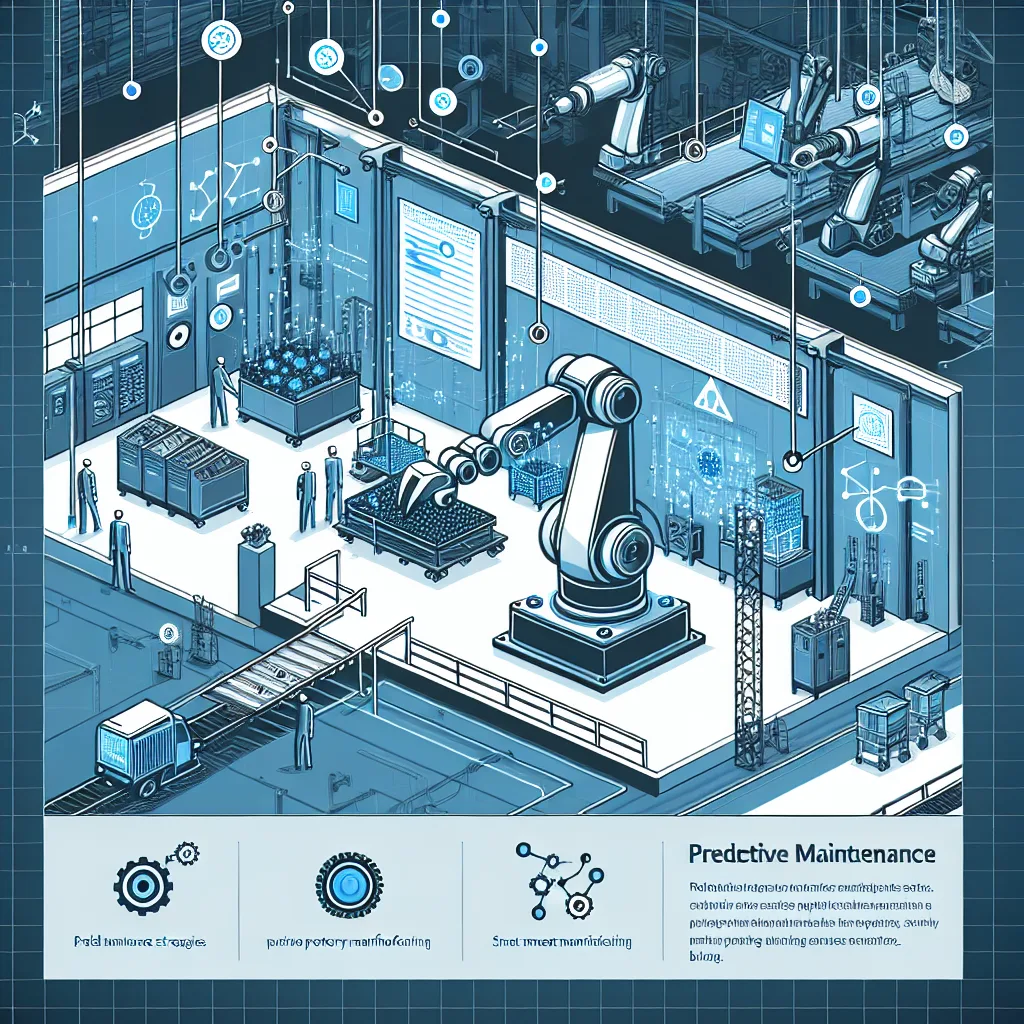
Condition-based maintenance triggered by real-time equipment monitoring ensures interventions occur only when necessary. This approach reduces maintenance costs while improving equipment reliability and extending useful life. Maintenance scheduling optimization considers production schedules, parts availability, and technician capacity. This minimizes impact on overall productivity. Advanced systems coordinate maintenance activities across multiple machines to maximize utilization during maintenance windows. Industry 4.0 principles applied to maintenance management create self-optimizing systems. These continuously improve maintenance strategies based on historical performance data and emerging best practices.IIoT Integration Transforms Manufacturing Operations
IIoT platforms provide the foundational infrastructure for collecting data from machines across entire manufacturing facilities. These connected systems create a complete network. Smart sensors monitor equipment performance continuously. They feed critical metrics directly into centralized OEE calculation engines. The ability to collect detailed data from every tools and machine on the production line eliminates the guesswork that traditionally plagued manufacturing operations.
Manufacturing teams can now analyze OEE data in real-time. They identify patterns and anomalies that were previously invisible during manual reporting cycles. This immediate access to performance data enables real-time decision-making. This directly impacts equipment utilization and product quality. Remote monitoring capabilities allow operators to maintain control of equipment even when physically separated from the manufacturing floor. This ensures continuous oversight of production processes.
Maximizing Equipment Utilization Through Data-Driven Insights
Modern M2M systems capture the precise data to calculate OEE by tracking actual runtime against planned production time. They measure speed losses and document quality defects automatically. This automated data collection process ensures that fully productive time calculations reflect true equipment performance rather than estimated values. Manufacturing growth depends on accurate measurement of these performance indicators. This identifies where improvement efforts will deliver the highest returns.
The technology enables machines to communicate their operational status directly to maintenance systems. This triggers predictive maintenance alerts before equipment failures occur. These monitoring tools used in manufacturing environments help operators improve quality. They detect variations in process parameters that could lead to defective products. Enhancing overall equipment effectiveness requires this level of detailed visibility into machine performance across all aspects of availability, performance, and quality metrics.
Organizations that implement comprehensive M2M monitoring systems report significant improvements in both efficiency and effectiveness across their manufacturing operations. The continuous flow of machine data provides operators with the insights needed to optimize production schedules. They reduce unplanned downtime and maintain consistent product quality standards.
Integrating M2M with Manufacturing Execution Systems
Modern M2M systems seamlessly integrate with existing MES platform architectures. This creates a comprehensive manufacturing intelligence network. This integration enables manufacturers to achieve perfect production by combining real-time machine data with production scheduling and quality management systems. The result is a unified view of operations that drives both efficiency improvements and strategic decision-making.
PLCs serve as the foundational data collection points in M2M-enabled OEE monitoring systems. They capture critical machine performance metrics directly from production equipment. These programmable logic controllers communicate machine status, cycle times, and fault conditions to centralized monitoring systems through industrial protocols like Modbus, Ethernet/IP, and OPC-UA. This direct connection eliminates data gaps and provides the detailed visibility needed for accurate OEE calculations.
M2M communication networks help manufacturers bridge the gap between operational performance and customer expectations. They provide real-time visibility into production capabilities and delivery timelines. Automated data collection enables proactive communication with customers about order status, potential delays, and quality metrics. This transparency builds trust and allows manufacturers to exceed customer expectations through improved reliability and responsiveness.
M2M systems capture and analyze micro-stoppages that traditional monitoring methods often miss. They reveal hidden inefficiencies that impact overall equipment effectiveness. These brief interruptions last seconds or minutes. They accumulate over shifts to significantly reduce availability and performance ratios. By identifying and addressing these micro-events, manufacturers can unlock substantial productivity improvements that directly impact their bottom line.
Frequently Asked Questions
How does M2M communication improve OEE measurement accuracy?
M2M communication eliminates human error in data collection by automatically gathering real-time data from sensors attached to production equipment. This automated approach provides continuous monitoring of cycle time, downtime events, and quality metrics. This ensures that oee calculations reflect actual equipment performance rather than estimated values.
What role does AI play in optimizing production processes through OEE data?
AI algorithms analyze vast amounts of real-time data to identify patterns and connections that human operators cannot detect. These systems use machine learning to optimize production parameters, predict equipment failure, and recommend adjustments. These improve overall productivity and reduce unplanned downtime across the factory floor.
How do IoT sensors contribute to better equipment utilization?
IoT sensors provide detailed visibility into machine conditions. This enables precise tracking of availability, performance, and quality metrics. This sensor data helps manufacturers identify inefficiency sources and optimize equipment use. It provides actionable insights into production process improvements and maintenance requirements.
What benefits does ERP integration provide for OEE monitoring?
ERP integration connects oee metrics with work orders, inventory management, and production scheduling. This creates comprehensive operational visibility. This integration enables dynamic resource allocation based on real-time equipment performance data. It improves overall profitability through better coordination between production planning and actual machine capabilities.
How does predictive maintenance reduce production costs?
Predictive maintenance uses continuous oee monitoring to schedule maintenance activities during planned production time rather than responding to equipment failure. This proactive approach reduces rework, minimizes emergency repair costs, and improves uptime. It prevents unexpected breakdowns that disrupt production schedules.
What KPIs should manufacturers track alongside OEE metrics?
Manufacturers should monitor throughput rates, product quality indicators, energy consumption, and maintenance costs alongside oee metrics. These kpis provide a complete view of operational efficiency. They help identify opportunities for continuous improvement across all aspects of the production process and automation systems.
How does M2M communication improve OEE calculation accuracy?
M2M systems automatically collect precise operational data directly from manufacturing equipment. This eliminates manual data entry errors that compromise OEE accuracy. Smart sensors capture real-time performance metrics including actual cycle times, downtime events, and quality measurements. They provide the exact data to calculate OEE with confidence. This automated approach ensures that fully productive time calculations reflect true equipment performance rather than estimated values.
What role do monitoring tools play in manufacturing growth?
Monitoring tools used in manufacturing provide continuous visibility into production line performance. They enable operators to identify bottlenecks and optimization opportunities quickly. These systems support manufacturing growth by allowing teams to analyze OEE data trends and implement targeted improvement efforts based on actual equipment performance. Remote monitoring capabilities extend operational control beyond the factory floor. This ensures consistent oversight of critical metrics regardless of location.
How do IIoT systems enhance equipment control and quality management?
IIoT platforms enable real-time communication between production equipment and control systems. They provide operators with immediate visibility into machine status and performance variations. This connectivity allows manufacturing teams to maintain precise control of equipment parameters and quickly respond to conditions that could impact product quality. The ability to collect and process data from machines continuously helps operators improve quality. They detect process deviations before they result in defective products.
What makes M2M technology necessary for enhancing overall equipment effectiveness?
M2M technology enables machines to communicate operational data automatically. This creates a continuous feedback loop that supports data-driven decision making across all aspects of equipment management. This connectivity improves both efficiency and effectiveness by providing real-time insights into availability, performance, and quality metrics that comprise OEE calculations. The integration of tools and machine data through M2M systems ensures that improvement efforts target the most impactful areas of manufacturing operations.
How do PLCs contribute to accurate OEE measurement in M2M systems?
PLCs provide the most reliable source of machine performance data by directly interfacing with production equipment sensors and control systems. They capture precise timing data for cycle completion, fault conditions, and operational status changes. These form the foundation of accurate OEE calculations. This direct data collection eliminates human error and provides the detailed information needed for meaningful performance analysis.
What role does a MES platform play in M2M-enabled OEE monitoring?
A MES platform serves as the central hub that contextualizes raw machine data from M2M systems. It combines this with production schedules, quality parameters, and business objectives. It transforms basic OEE metrics into actionable insights by connecting equipment performance with specific products, orders, and operational targets. This integration helps manufacturers make informed decisions about production priorities and resource allocation.
How can M2M data help manufacturers exceed customer expectations?
M2M systems provide real-time visibility into production status and equipment performance. This enables manufacturers to proactively communicate with customers about order progress and delivery timelines. When equipment issues arise, automated alerts allow for immediate response and customer notification. This prevents surprises and demonstrates commitment to transparency. This level of operational visibility helps manufacturers achieve consistent production quality that builds long-term customer relationships.
What types of inefficiencies can M2M monitoring reveal that manual methods miss?
M2M systems capture micro-stoppages, gradual speed reductions, and intermittent quality issues that human operators often overlook or forget to document. These systems monitor equipment continuously. They record every performance deviation regardless of duration or severity. The comprehensive data collection reveals patterns and trends that help manufacturers identify root causes of efficiency losses and implement targeted improvements.
Manufacturers implementing oee and m2m integration gain unprecedented visibility into equipment effectiveness and production optimization opportunities. The combination of automated data collection, ai-powered analytics, and real-time monitoring creates a foundation for continuous improvement. This drives measurable increases in productivity and profitability. Success depends on selecting appropriate sensor technologies, implementing robust data collection systems, and training teams to act on the actionable insights these systems provide. For manufacturers ready to embrace advanced manufacturing connectivity solutions, the investment in oee monitoring delivers rapid returns through improved equipment use and reduced operational costs.
Related Articles
How M2M Enables Lights-Out Manufacturing
M2M technology changes how factories work. It lets machines talk to each other without people. This creates fully automated production facilities that r...
M2M for Supply Chain Optimization: End-to-End Visibility
M2M for supply chain optimization complete network visibility changes how businesses monitor and manage their supply chain operations. Traditional suppl...
SCADA vs IoT: How M2M Fits Into Industrial Automation
SCADA systems provide centralized, real-time control with proven reliability for critical industrial processes. They use proprietary protocols and dedic...