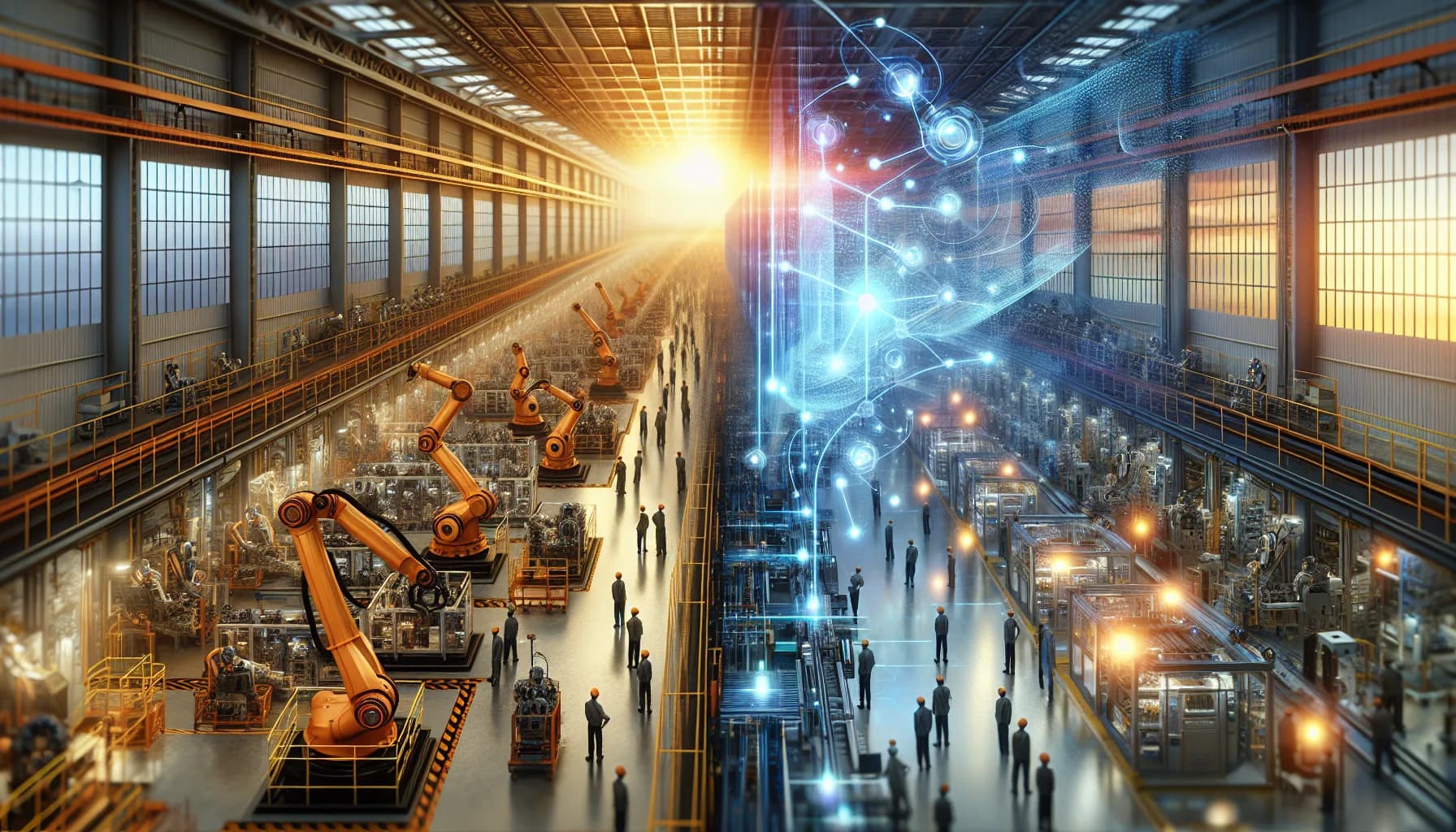
In this article
Key Takeaways
- Digital twins and M2M integration creates precise virtual replicas of physical assets. This enables real-time monitoring and predictive analysis across industrial systems
- Digital twin technology uses internet of things connectivity and artificial intelligence. This creates continuous data flow between physical and virtual environments
- Manufacturing, aerospace, and supply chain sectors use digital twin systems. They optimize product lifecycle management, reduce maintenance costs, and improve operational efficiency
- Successful digital twin implementation requires robust framework architecture. This integrates sensor networks, cloud computing platforms, and advanced simulation capabilities
- Industry 4.0 adoption accelerates through digital twin applications. These bridge the gap between physical operations and data-driven decision making
- Machine-to-machine communication protocols provide the foundation. They enable seamless data exchange between physical systems and their virtual counterparts
Table of Contents
- Understanding Digital Twin Fundamentals
- M2M Communication Architecture for Digital Twins
- Simulation and Modeling Capabilities
- Implementation Framework for Digital Twin Systems
- Industrial Applications and Use Cases
- Technology Integration: IoT, AI, and Virtual Reality
- Industry 4.0 Transformation Through Digital Twins
- Data Management and Real-Time Processing
- Case Studies and Performance Analysis
- Implementation Challenges and Solutions
- Future Developments and Emerging Trends
- Frequently Asked Questions
Understanding Digital Twin Fundamentals
A digital twin represents a comprehensive virtual model of a physical system, object, or process. It enables real-time monitoring, analysis, and optimization. The digital twin concept emerged from the aerospace industry's need to simulate and monitor complex systems throughout their operational lifecycle. Unlike traditional static models, a digital twin maintains continuous connectivity with its physical counterpart. This happens through sensor networks and machine-to-machine communication protocols. The digital twin architecture consists of three primary components: the physical entity, the virtual model, and the data connections that link them. The physical object contains embedded sensors that collect operational data, environmental conditions, and performance metrics. This sensor data transmits through M2M communication channels to update the digital twin model in real time. This creates an accurate virtual representation of the physical system's current state. Digital twin technology differs from conventional simulation tools through its bidirectional communication capabilities. Traditional simulations operate on historical data and predefined parameters. In contrast, digital twins continuously receive live data from their physical counterparts. They can also send control commands back to the physical system. This dynamic interaction enables autonomous optimization and predictive maintenance strategies. These adapt to changing operational conditions.Core Components of Digital Twin Architecture
The digital twin framework incorporates multiple technological layers that work together. They create comprehensive virtual replicas. The sensor layer captures physical data from the monitored system. This includes temperature, pressure, vibration, position, and performance metrics. These sensors communicate through various protocols. These include cellular, Wi-Fi, Bluetooth, and dedicated industrial communication standards. The connectivity layer manages data transmission between physical systems and cloud-based digital twin platforms. Machine-to-machine protocols ensure reliable data delivery. This works even in challenging industrial environments. Edge computing devices often preprocess sensor data locally. This reduces bandwidth requirements and improves response times for critical applications. The modeling layer contains the virtual representation of the physical system. It incorporates geometric models, behavioral algorithms, and predictive analytics capabilities. Advanced digital twin systems integrate artificial intelligence algorithms. These learn from operational data to improve prediction accuracy and identify optimization opportunities.Evolution of Digital Twin Concepts
The development of digital twins traces back to NASA's Apollo program. Engineers created comprehensive simulations of spacecraft systems to support mission planning and troubleshooting. The modern digital twin concept gained prominence with the advancement of internet of things technologies and cloud computing platforms. These make real-time connectivity economically viable. Early digital twin implementations focused on high-value assets. These included aircraft engines and industrial turbines. The cost of unexpected failures justified sophisticated monitoring systems. As sensor costs decreased and communication infrastructure improved, digital twin applications expanded. These now include manufacturing equipment, building systems, and entire cities. Digital twins now encompass various implementation levels. Component-level twins monitor individual machine parts. System-level twins model entire production facilities. Some organizations implement twin ecosystems that interconnect multiple digital twins. This provides comprehensive visibility across complex operational networks.Digital Twin Classifications and Types
Digital twin systems categorize into several distinct types. This is based on their scope and application focus. Product digital twins create virtual replicas of individual products or components. This enables manufacturers to monitor performance throughout the product lifecycle. These twins track usage patterns, maintenance history, and environmental exposure. They optimize design improvements and support strategies. Process digital twins model manufacturing processes, production lines, or operational workflows. These virtual representations enable simulation of process changes before implementation. They optimize throughput and quality, and identify bottlenecks or inefficiencies. Process twins often integrate with manufacturing execution systems to provide real-time production visibility. System digital twins encompass entire facilities, infrastructure networks, or organizational operations. Smart city digital twins represent complex examples of system-level implementation. They model traffic patterns, utility consumption, and environmental conditions across urban areas. These comprehensive twins support strategic planning, emergency response, and resource allocation decisions.M2M Communication Architecture for Digital Twins
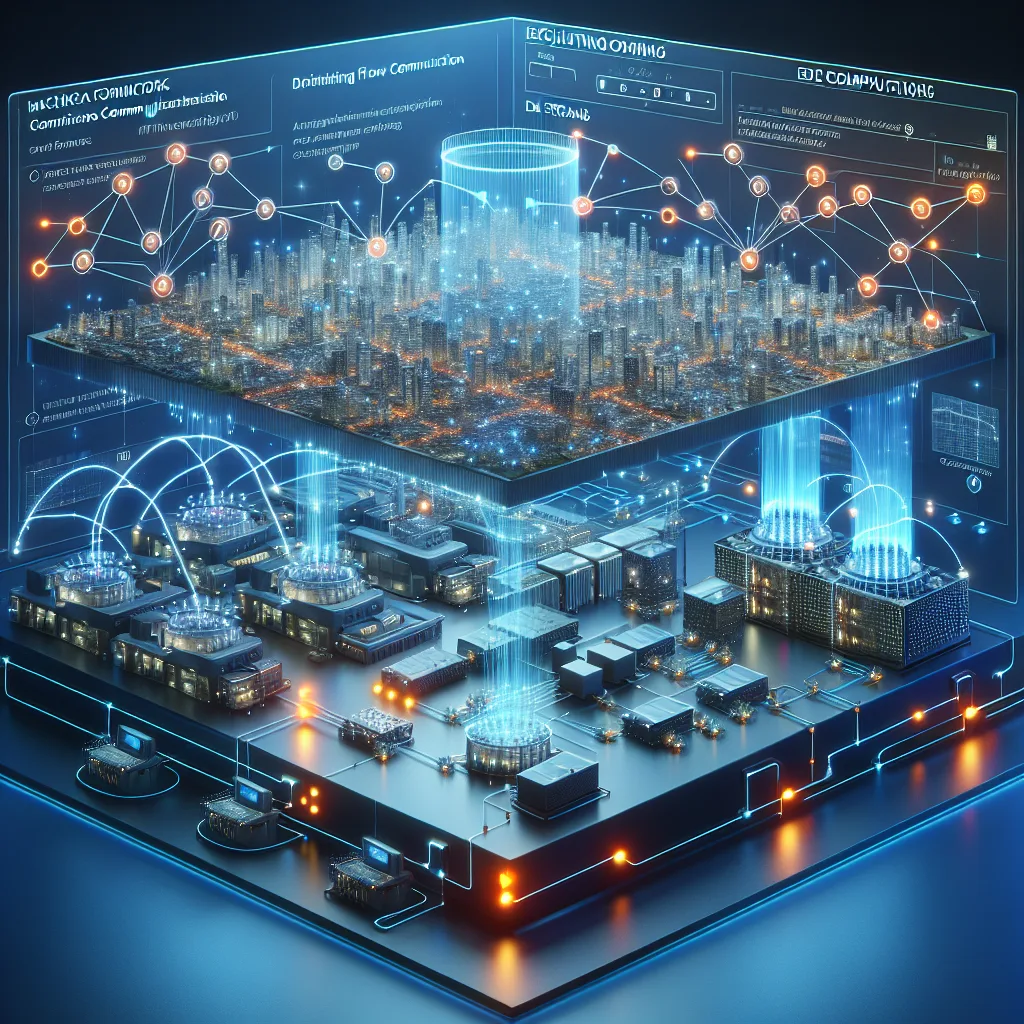
Protocol Selection and Integration
Selecting appropriate communication protocols for digital twin systems requires careful consideration. This involves data requirements, network constraints, and operational environments. MQTT (Message Queuing Telemetry Transport) has emerged as a popular choice for IoT and digital twin applications. This is due to its lightweight design, publish-subscribe architecture, and built-in quality of service features. The protocol efficiently handles intermittent connectivity and supports hierarchical topic structures. These organize data streams from multiple physical systems. HTTP-based REST APIs provide another common approach for digital twin data exchange. This is particularly true for applications that require human-readable data formats and integration with web-based platforms. RESTful interfaces simplify integration with existing enterprise systems and support standard authentication and encryption methods. However, HTTP protocols may introduce higher overhead compared to specialized IoT protocols for high-frequency data transmission scenarios. Advanced digital twin implementations often employ hybrid protocol strategies. These optimize communication efficiency for different data types and transmission scenarios. Time-critical control commands might use low-latency protocols like UDP. Bulk data uploads utilize more reliable TCP-based transmission methods. Protocol gateways and edge computing devices translate between different communication standards. This creates seamless integration across diverse system components.Data Synchronization and Consistency
Maintaining consistency between physical systems and their digital twin counterparts requires sophisticated data synchronization mechanisms. These account for network latencies, transmission errors, and system downtime. The digital twin system must implement strategies for handling out-of-sequence data, detecting and correcting transmission errors, and managing data conflicts. These arise from multiple input sources. Time synchronization becomes critical for digital twins that model dynamic processes or coordinate actions across multiple physical systems. Network Time Protocol (NTP) and precision time protocol (PTP) ensure that timestamp information maintains accuracy across distributed components. Edge devices often include local time references to maintain temporal consistency even during network outages. Data buffering and store-and-forward capabilities provide resilience against network interruptions. These could otherwise compromise digital twin accuracy. Edge computing devices temporarily store sensor data during connectivity outages. They transmit accumulated information once network connectivity restores. This approach ensures that digital twins maintain complete historical records even in challenging network environments.Security Considerations for M2M Digital Twin Communication
Security represents a paramount concern for digital twin M2M communication systems. These platforms often control critical infrastructure and access sensitive operational data. The distributed nature of digital twin architectures creates multiple potential attack vectors. These require comprehensive security strategies addressing device authentication, data encryption, and network access control. Device identity management ensures that only authorized sensors and controllers can participate in digital twin communication networks. Hardware security modules and digital certificates provide strong authentication mechanisms. These resist tampering and impersonation attacks. Over-the-air provisioning systems enable secure device enrollment and credential management across large-scale deployments. End-to-end encryption protects data integrity and confidentiality as information travels between physical systems and digital twin platforms. Advanced encryption standards (AES) provide strong protection for data at rest and in transit. Key management systems ensure that encryption keys remain secure throughout their lifecycle. Some implementations employ additional security layers. These include virtual private networks (VPNs) or software-defined perimeters to create secure communication tunnels.Simulation and Modeling Capabilities
The simulation capabilities within digital twin systems enable organizations to conduct virtual experiments, predict future behaviors, and optimize operational parameters. This happens without risking physical assets or disrupting production processes. Advanced simulation engines integrate multiple modeling approaches. These include physics-based simulations, statistical models, and machine learning algorithms. They create comprehensive virtual representations of complex systems. Physics-based simulation models capture the behaviors of physical systems through mathematical equations. These describe mechanical, thermal, electrical, and fluid dynamics properties. These models provide accurate predictions for scenarios within their designed operational parameters. They enable engineers to understand cause-and-effect relationships that drive system performance. Finite element analysis, computational fluid dynamics, and structural analysis tools contribute to the simulation framework. This supports detailed virtual experimentation. Statistical simulation techniques complement physics-based models by capturing behaviors that are difficult to model through first principles alone. Monte Carlo simulations enable digital twins to explore probabilistic scenarios. They assess risk factors that affect system reliability and performance. Statistical analysis and regression modeling identify patterns in historical data. These inform predictive algorithms and optimization strategies.Real-Time Simulation Integration
Real-time simulation capabilities distinguish digital twins from offline modeling tools. They enable immediate response to changing conditions in physical systems. Hardware-in-the-loop simulation platforms provide the computational performance necessary to update virtual models at frequencies that match physical system dynamics. These platforms often employ specialized processors and parallel computing architectures. These maintain simulation accuracy while meeting strict timing requirements. The integration of real-time simulation with M2M data streams creates dynamic virtual environments. These adapt to actual operating conditions as they occur. Kalman filtering and state estimation algorithms combine sensor measurements with simulation predictions. They maintain optimal accuracy in the presence of measurement noise and model uncertainties. Adaptive algorithms continuously refine simulation parameters based on observed performance data. This improves prediction accuracy over time. Edge computing platforms enable distributed simulation architectures. These reduce latency and improve responsiveness for time-critical applications. Local simulation engines can provide immediate feedback for control systems. They maintain connectivity with centralized digital twin platforms for comprehensive analysis and optimization. This distributed approach enables digital twins to support real-time control applications. These require millisecond response times.Multi-Physics and Multi-Scale Modeling
Complex physical systems often involve multiple interacting phenomena. These require sophisticated modeling approaches to capture their complete behavior. Digital twin systems integrate multi-physics simulation capabilities that simultaneously model mechanical, thermal, electrical, and chemical processes within a unified virtual environment. Coupled field analysis enables engineers to understand how changes in one physical domain affect performance in other areas. Multi-scale modeling addresses the challenge of simulating systems that exhibit important behaviors across vastly different size scales. This spans from molecular-level material properties to system-level operational characteristics. Hierarchical modeling approaches link detailed component models with simplified system-level representations. This provides computational efficiency while maintaining accuracy for critical design parameters. Advanced simulation frameworks support model abstraction techniques that automatically adjust simulation fidelity. This is based on available computational resources and required accuracy levels. Adaptive mesh refinement, reduced-order modeling, and surrogate model techniques enable digital twins to provide real-time insights. They maintain acceptable computational performance for large-scale systems.Validation and Verification of Digital Twin Models
Ensuring the accuracy and reliability of digital twin simulations requires comprehensive validation and verification processes. These compare virtual model predictions with physical system measurements. Validation activities demonstrate that simulation models accurately represent real-world behaviors across expected operating conditions. Statistical correlation analysis quantifies the agreement between predicted and measured values. This establishes confidence levels for different types of predictions. Verification processes confirm that simulation models correctly implement their intended mathematical formulations. They produce numerically accurate solutions. Code verification techniques include convergence studies, benchmark comparisons, and analytical solution verification for simplified test cases. Model verification activities examine whether the mathematical models appropriately represent the physical phenomena being simulated. Continuous model improvement processes leverage operational data from physical systems to refine simulation accuracy and expand validated operating ranges. Machine learning algorithms identify systematic modeling errors and suggest parameter adjustments that improve prediction accuracy. Version control systems track model updates and maintain audit trails. These document the evolution of digital twin capabilities over time.Implementation Framework for Digital Twin Systems
Developing a comprehensive framework for digital twin implementation requires careful planning and coordination across multiple technological domains, organizational functions, and operational requirements. The implementation framework provides structured guidance for organizations seeking to deploy digital twin capabilities. It minimizes risks and maximizes return on investment. This systematic approach addresses technology selection, integration challenges, and change management considerations that influence project success. The framework begins with requirements definition activities that identify specific use cases, performance objectives, and technical constraints. These guide design decisions throughout the implementation process. Stakeholder analysis ensures that digital twin capabilities align with organizational goals and user needs across different functional areas. Requirements documentation establishes measurable success criteria and provides the foundation for system architecture design and technology selection. Architecture design activities translate requirements into technical specifications. These define system components, interfaces, and integration approaches. The digital twin architecture encompasses data acquisition systems, communication networks, computing platforms, simulation engines, and user interfaces. These collectively provide virtual replica capabilities. Reference architectures and industry standards guide design decisions while allowing customization for specific organizational requirements.Technology Stack Selection
Selecting appropriate technologies for digital twin implementation requires evaluation of multiple factors. These include scalability requirements, integration complexity, vendor support, and total cost of ownership. Cloud computing platforms provide the computational resources and scalability necessary for comprehensive digital twin systems. They offer managed services that reduce implementation complexity. Major cloud providers offer specialized IoT and digital twin services. These accelerate deployment timelines and provide built-in integration capabilities. Data management platforms form a critical component of the digital twin technology stack. They provide capabilities for data ingestion, storage, processing, and analytics across structured and unstructured data types. Leading database systems optimize storage and retrieval of sensor data streams. They support real-time query processing for monitoring and alerting applications. Data lake architectures accommodate diverse data types and enable advanced analytics workflows. These extract insights from large volumes of operational information. Simulation and modeling tools provide the computational engines that create and maintain virtual representations of physical systems. Commercial simulation platforms offer pre-built modeling libraries and validation tools. These accelerate development timelines for common applications. Open-source simulation frameworks provide flexibility and customization capabilities for specialized modeling requirements. They reduce licensing costs for large-scale deployments.Integration Architecture and Standards
Creating seamless integration between digital twin components requires adherence to industry standards. It requires development of robust interface specifications that enable interoperability across diverse systems. API-first design approaches ensure that digital twin components can communicate effectively with existing enterprise systems. These include ERP, MES, and SCADA platforms. RESTful web services and GraphQL interfaces provide flexible integration capabilities. These accommodate different data access patterns and user requirements. Data exchange standards such as OPC-UA, MTConnect, and Industry 4.0 reference architecture models provide proven approaches for industrial system integration. These standards define common data models, communication protocols, and semantic frameworks. These enable plug-and-play connectivity with manufacturing equipment and industrial control systems. Compliance with established standards reduces integration effort and improves long-term system maintainability. Enterprise service bus (ESB) architectures provide centralized integration platforms. These manage data transformation, routing, and protocol translation across multiple system interfaces. Message queuing and event streaming platforms enable asynchronous communication patterns. These improve system resilience and performance under varying load conditions. Integration platforms often include pre-built connectors for common industrial systems and cloud services. These accelerate deployment timelines.Development Methodology and Best Practices
Agile development methodologies provide structured approaches for digital twin implementation. These accommodate evolving requirements and enable iterative improvement of system capabilities. Sprint planning activities break complex implementation projects into manageable increments. These deliver measurable value while providing opportunities for stakeholder feedback and course correction. Cross-functional teams including domain experts, software developers, and system integrators collaborate throughout the development process. This ensures that technical solutions address real operational needs. DevOps practices enable continuous integration and deployment of digital twin updates. They maintain system stability and performance. Automated testing frameworks validate simulation accuracy, data integrity, and system performance across development and production environments. Container orchestration platforms provide scalable deployment infrastructure. This supports rapid iteration and rollback capabilities for risk mitigation. Quality assurance processes ensure that digital twin systems meet accuracy, reliability, and performance requirements throughout their operational lifecycle. Test-driven development approaches create comprehensive validation suites. These verify system behavior under normal and exceptional conditions. Performance monitoring and alerting systems provide early warning of degraded system performance or accuracy issues. These could affect operational decision-making.Change Management and User Adoption
Successfully implementing digital twin technology requires comprehensive change management strategies. These address organizational culture, process modifications, and skill development needs. Training programs educate users on digital twin capabilities, interpretation of virtual model outputs, and integration with existing workflows. Hands-on workshops and pilot projects provide practical experience. This builds confidence and demonstrates value proposition for digital twin adoption. Communication strategies keep stakeholders informed about implementation progress, capability developments, and success stories that demonstrate return on investment. Regular steering committee meetings provide forums for addressing concerns, adjusting priorities, and ensuring continued executive support throughout extended implementation timelines. Success metrics and key performance indicators track progress toward organizational objectives. They provide data for continuous improvement activities. Support structures including help desk services, user communities, and technical documentation ensure that users can effectively leverage digital twin capabilities in their daily work. Communities of practice facilitate knowledge sharing and best practice development across different functional areas and use cases. Feedback mechanisms capture user suggestions for improvement and enable continuous refinement of digital twin capabilities. This is based on operational experience.Industrial Applications and Use Cases
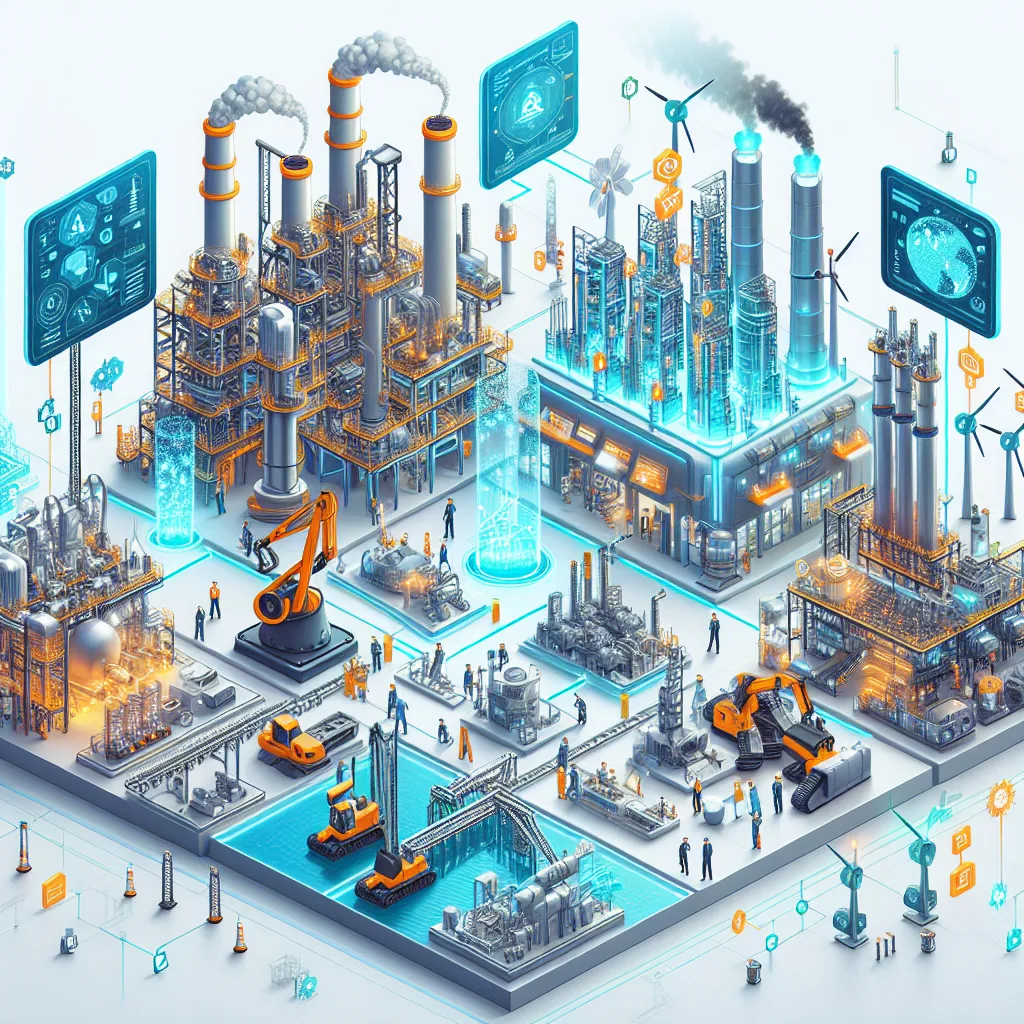
Manufacturing and Production Systems
Manufacturing applications of digital twin technology encompass equipment monitoring, process optimization, and quality management across diverse production environments. Production systems digital twins model entire manufacturing lines including material flow, equipment interactions, and quality control processes. These comprehensive virtual representations enable manufacturers to simulate production scenarios, identify bottlenecks, and optimize throughput while maintaining product quality standards. Predictive maintenance represents a primary use case for manufacturing digital twins. This enables organizations to transition from reactive maintenance strategies to proactive approaches that prevent unexpected equipment failures. Sensor data from production equipment feeds digital twin models that predict component wear, identify performance degradation trends, and recommend optimal maintenance timing. This predictive approach reduces unplanned downtime, extends equipment lifespan, and optimizes maintenance resource allocation. Quality management applications leverage digital twin technology to identify root causes of quality issues and implement corrective actions before defects reach customers. Virtual quality models correlate process parameters with product characteristics to identify optimal operating conditions and detect quality drift before it affects production output. Some implementations include closed-loop control systems that automatically adjust process parameters based on digital twin recommendations to maintain consistent product quality.Supply Chain and Logistics Optimization
Supply chain digital twins create comprehensive virtual representations of logistics networks, inventory systems, and distribution processes. These enable optimization of complex multi-tier supply chains. These virtual models integrate data from transportation systems, warehouse operations, and supplier networks. They provide end-to-end visibility and enable proactive management of supply chain disruptions. Digital twin technology helps organizations balance inventory levels, optimize shipping routes, and improve delivery performance while reducing total supply chain costs. Warehouse automation systems benefit from digital twin technology that models material handling equipment, storage systems, and order fulfillment processes. Virtual warehouse models enable optimization of layout configurations, equipment utilization, and workflow processes before implementing physical changes. Some advanced implementations support real-time operational control where digital twins provide guidance for autonomous material handling systems and robotic fulfillment equipment. Transportation and logistics applications use digital twin technology to optimize fleet operations, route planning, and asset utilization across complex distribution networks. Vehicle digital twins monitor performance, predict maintenance requirements, and optimize fuel consumption while providing real-time visibility into cargo status and delivery schedules. Fleet management systems integrate digital twin insights with route optimization algorithms to improve delivery performance and reduce operational costs.Energy and Utilities Infrastructure
Power generation facilities implement digital twin technology to optimize plant operations, predict equipment failures, and improve overall system efficiency. Power plant digital twins model complex thermodynamic processes, electrical generation systems, and environmental control equipment. They identify optimization opportunities and predict maintenance requirements. These virtual models enable operators to simulate different operating scenarios and identify optimal settings for varying demand conditions and fuel costs. Renewable energy systems benefit from digital twin technology that models wind turbines, solar panels, and energy storage systems. This optimizes power generation and predicts maintenance requirements. Wind farm digital twins integrate weather data, equipment performance models, and grid demand information to optimize turbine operations and maximize energy production. Solar installation digital twins monitor panel performance, predict cleaning requirements, and identify underperforming components that require attention. Electric grid infrastructure uses digital twin technology to model distribution networks, predict load patterns, and optimize system reliability. Smart grid digital twins integrate data from smart meters, distribution automation equipment, and weather monitoring systems. They predict demand patterns and identify potential system issues before they affect customer service. These virtual models enable utilities to optimize grid operations, improve service reliability, and integrate distributed energy resources more effectively.Smart Cities and Infrastructure Management
Smart city digital twins create comprehensive virtual representations of urban infrastructure including transportation networks, utility systems, and public services. These large-scale digital twin implementations integrate data from thousands of sensors and systems. They provide city planners and operators with unprecedented visibility into urban system performance. Traffic management digital twins optimize signal timing, predict congestion patterns, and improve overall transportation efficiency while reducing environmental impact. Building and facility management applications use digital twin technology to optimize energy consumption, predict maintenance requirements, and improve occupant comfort. Building digital twins integrate data from HVAC systems, lighting controls, security systems, and occupancy sensors. They identify energy saving opportunities and predict equipment failures. These virtual building models enable facility managers to optimize operations while reducing energy costs and improving tenant satisfaction. Water and wastewater system digital twins model complex distribution networks, treatment processes, and infrastructure assets. They optimize system performance and predict maintenance requirements. These virtual models help utilities identify leaks, optimize treatment processes, and manage infrastructure investments more effectively. Some implementations include predictive capabilities that forecast system performance under different demand scenarios and environmental conditions.Technology Integration: IoT, AI, and Virtual Reality
The convergence of internet of things technology with digital twin systems creates comprehensive monitoring and control capabilities. These enable real-time optimization of complex physical systems. IoT sensor networks provide the data foundation for accurate digital twin representations. They continuously collect information about system state, environmental conditions, and performance metrics. Advanced sensor technologies including wireless sensor networks, edge computing devices, and industrial internet of things platforms ensure reliable data collection across challenging operational environments. Artificial intelligence integration transforms digital twins from passive monitoring tools into intelligent systems. These are capable of autonomous optimization and predictive decision-making. Machine learning algorithms analyze operational data to identify patterns, predict future behaviors, and recommend optimization strategies that improve system performance. AI-powered digital twins continuously learn from operational experience to improve prediction accuracy and identify new optimization opportunities that human operators might overlook. Virtual reality and augmented reality technologies provide immersive interfaces. These enable users to interact with digital twin systems in intuitive ways. VR environments allow engineers and operators to explore virtual replicas of physical systems, visualize complex data relationships, and collaborate on problem-solving activities. Augmented reality applications overlay digital twin information onto physical systems. They provide maintenance technicians and operators with contextual information that improves task performance and reduces errors.IoT Integration Architecture
Integrating internet of things devices with digital twin systems requires robust architectures. These accommodate diverse sensor types, communication protocols, and data processing requirements. Edge computing platforms provide local processing capabilities that filter, aggregate, and preprocess sensor data before transmission to cloud-based digital twin platforms. This distributed processing approach reduces bandwidth requirements, improves system responsiveness, and provides resilience against network connectivity issues. Industrial internet of things implementations often require specialized communication protocols and hardware. These can operate reliably in harsh industrial environments. Sensor networks must accommodate temperature extremes, electromagnetic interference, and mechanical vibration. They maintain accurate data collection over extended operational periods. Redundant communication pathways and self-healing network topologies provide reliability for mission-critical applications where continuous monitoring remains necessary. Data integration middleware translates between different IoT protocols and data formats. This creates unified data streams that feed digital twin platforms. Protocol gateways support legacy equipment integration while API management platforms provide standardized interfaces for modern IoT devices. Time synchronization and data quality validation ensure that sensor data maintains integrity and temporal consistency as it flows through complex integration architectures.Artificial Intelligence and Machine Learning Integration
Machine learning algorithms embedded within digital twin systems enable sophisticated pattern recognition, anomaly detection, and predictive analytics capabilities that enhance operational decision-making. Supervised learning models trained on historical operational data can predict equipment failures, optimize process parameters, and identify quality issues before they impact production. Unsupervised learning algorithms discover hidden patterns in operational data. These reveal new insights about system behavior and optimization opportunities. Deep learning neural networks provide advanced pattern recognition capabilities for complex systems where traditional analytical approaches prove insufficient. Convolutional neural networks excel at analyzing image and video data from inspection cameras. Recurrent neural networks handle time-series analysis for predictive maintenance applications. Reinforcement learning algorithms enable digital twins to automatically discover optimal control strategies through virtual experimentation and trial-and-error learning processes. Natural language processing capabilities enable digital twins to interpret unstructured data sources. These include maintenance reports, operator logs, and customer feedback. These AI systems can extract relevant information from text documents and incorporate it into their understanding of system performance and potential issues. Conversational interfaces powered by natural language processing allow users to interact with digital twin systems using voice commands and natural language queries.Virtual and Augmented Reality Applications
Virtual reality integration with digital twin systems creates immersive environments. Engineers, operators, and maintenance personnel can explore and interact with virtual replicas of physical systems. VR applications enable users to visualize complex three-dimensional data, understand spatial relationships, and collaborate on problem-solving activities regardless of their physical location. Training applications use VR digital twins to provide hands-on experience with dangerous or expensive equipment without safety risks or operational disruption. Augmented reality applications overlay digital twin information onto physical systems through mobile devices, smart glasses, or heads-up displays. Maintenance technicians can view equipment manuals, diagnostic information, and step-by-step instructions directly overlaid on the physical equipment they are servicing. These augmented reality interfaces reduce errors, improve task completion times, and enable less experienced personnel to perform complex maintenance procedures safely and effectively. Mixed reality environments combine physical and virtual elements to create hybrid workspaces. Users can manipulate both real and virtual objects simultaneously. Design engineers can use mixed reality to evaluate how new equipment will fit into existing facilities. Operators can practice complex procedures using virtual controls overlaid on physical systems. These hybrid environments provide unique capabilities for training, design validation, and collaborative problem-solving activities.Edge Computing and Real-Time Processing
Edge computing architectures enable digital twin systems to process data locally near physical systems. This reduces latency and improves responsiveness for time-critical applications. Edge devices equipped with artificial intelligence accelerators can perform complex analytics and decision-making locally. They maintain connectivity with centralized digital twin platforms for comprehensive analysis and coordination. This distributed processing approach enables real-time control applications that require millisecond response times. Fog computing extends cloud capabilities to the network edge. This creates hierarchical processing architectures that optimize data flow and computational efficiency. Local fog nodes can aggregate data from multiple sensors, perform initial analysis, and transmit relevant information to cloud-based digital twin platforms. This approach reduces bandwidth consumption while enabling local decision-making for applications that cannot tolerate network latency or connectivity interruptions. Stream processing engines provide real-time analytics capabilities. These enable digital twins to respond immediately to changing conditions in physical systems. Complex event processing engines can correlate data from multiple sources to identify patterns and trigger automated responses based on predefined rules or machine learning models. These real-time processing capabilities enable digital twins to support closed-loop control applications and autonomous optimization strategies.Engineering Excellence Through Digital Twin Integration
Modern systems engineering relies on the continuous flow of data between physical devices and their digital counterparts to optimize performance. The integration of digital twin technology transforms traditional product development cycles by creating a digital replica that mirrors real-world objects or systems throughout their entire lifecycle. This approach enables engineers to compute complex scenarios and validate designs before physical implementation. The manufacturing industry increasingly leverages digital twin technology to bridge the gap between the physical twin and virtual world representations. Companies use digital twins to process data from different sources. They create comprehensive models that capture physical attributes and behavioral patterns. This digital data integration allows manufacturers to optimize additive manufacturing processes, reduce waste, and accelerate time-to-market for new products.Real-Time Data Processing and Analysis Framework
Organizations developing a digital twin must establish a robust reference framework for handling data in real time from multiple physical devices. The digital thread connects various stages of the product lifecycle. This enables statistical analysis and formal analysis of performance metrics. This comprehensive approach to data and information management ensures that the virtual world accurately reflects the current state of real-world objects. A thorough review of digital twin implementations reveals that enabling technologies such as edge computing, advanced sensors, and machine learning algorithms drive successful deployments. The use of digital twins extends beyond simple monitoring to include predictive maintenance, performance optimization, and strategic decision-making capabilities. Organizations that effectively implement this digital world representation gain significant competitive advantages through improved operational efficiency and reduced downtime.Industry 4.0 Transformation Through Digital Twins
Industry 4.0 represents a transformation of manufacturing and industrial operations. This happens through the integration of digital technology, connectivity, and intelligent automation. Digital twin technology serves as a cornerstone of Industry 4.0 initiatives by creating the virtual infrastructure necessary for data-driven decision making, autonomous optimization, and intelligent manufacturing processes. This digital transformation enables manufacturers to achieve unprecedented levels of flexibility, efficiency, and customization. They reduce costs and improve product quality while doing so. Digital manufacturing relies heavily on digital twin implementations that model production processes, equipment systems, and product lifecycles in comprehensive virtual environments. These digital twin systems enable manufacturers to simulate production scenarios, optimize process parameters, and predict system behaviors before implementing changes in physical production environments. Industry 4.0 initiatives leverage these capabilities to create adaptive manufacturing systems. These can rapidly reconfigure themselves to meet changing market demands and customer requirements. Smart factory implementations use digital twin technology to integrate autonomous systems, collaborative robots, and intelligent production equipment into unified manufacturing ecosystems. Digital twins provide the coordination and control mechanisms necessary for these complex systems to operate safely and efficiently while maintaining product quality and production targets. The virtual environment enables centralized monitoring and control of distributed production assets. It provides local autonomy for rapid response to changing conditions.Cyber-Physical Systems Integration
Cyber physical systems represent the technological foundation of Industry 4.0 transformation. They combine physical processes with computational intelligence and network connectivity. Digital twins serve as the virtual component of cyber-physical systems. They provide the computational models and decision-making algorithms that guide physical system operations. This integration creates intelligent manufacturing systems that can adapt to changing conditions, optimize their own performance, and coordinate with other systems to achieve overall operational objectives. The development of cyber-physical systems requires sophisticated integration between physical sensors,Related Articles
How to Build an M2M Data Pipeline: From Sensor to Dashboard
Building an IoT data pipeline for M2M communication requires establishing a strong streaming pipeline architecture. This forms the foundation of your en...
Read more →
Multi-Protocol Gateways for M2M Communication
Industrial automation leaders like Mitsubishi and Omron have embraced multi-protocol gateway technology. They use it to bridge legacy systems with moder...
Read more →
Hybrid IoT Architectures: Combining LoRaWAN and Cellular
Companies know that no single connection type meets every IoT need. LoRaWAN gives great low-power performance for sensor networks. Cellular provides str...
Read more →