
In this article
- 5G technology delivers ultra-low latency under 1 millisecond and speeds up to 100 times faster than 4G networks
- Network slicing enables dedicated virtual networks for specific IoT applications and use cases
- Enhanced connectivity supports up to 1 million devices per square kilometer compared to 4G's limited capacity
- AI integration with 5G enables real-time decision-making and autonomous system operations
- Edge computing reduces data transmission delays by processing information closer to IoT devices
- Industry 4.0 applications like smart cities and remote surgeries become viable through 5G's capabilities
- 5G Network Fundamentals and Enhanced Connectivity
- AI Integration and Real-Time Processing
- IoT Applications and Use Cases
- Network Slicing and Bandwidth Optimization
- Smart Cities and Industry 4.0 Implementation
- Mobile Networks Evolution and Data Transmission
5G Network Fundamentals and Enhanced Connectivity
5G network architecture delivers three key improvements over 4G systems. These are enhanced mobile broadband, massive machine-type communications, and ultra-reliable low-latency communication. These capabilities transform how IoT devices transmit data and maintain connectivity. The 5G network provides data rates over 10 Gbps. This represents a 100-fold increase over 4G networks. This enhanced data rate enables IoT applications that require large amounts of data processing. Examples include video analytics and sensor fusion systems. The network infrastructure supports device densities reaching 1 million devices per square kilometer. 4G networks were limited to about 100,000 connections. Low latency represents the most significant benefit of 5G for machine-to-machine applications. 4G networks typically achieve latencies between 20-50 milliseconds. 5G mobile networks deliver sub-1 millisecond response times. This low-latency communication enables real-time control systems and critical IoT applications that demand immediate responses.Wireless Communication Enhancements
5G technology uses advanced antenna systems and signal processing. These minimize interference and optimize wireless communication. The technology uses millimeter-wave frequencies alongside traditional cellular bands. This provides expanded bandwidth for data transmission. Edge computing integration brings processing power closer to IoT devices. This reduces the distance data must travel and further decreases latency. The 5G core network uses software-defined networking principles. This allows dynamic resource allocation based on application requirements. This flexibility enables the network to prioritize critical machine-to-machine communication. It also maintains efficient bandwidth use across all connected devices.AI Integration and Real-Time Processing
AI integration with 5G networks creates intelligent systems capable of autonomous decision-making. The combination enables IoT devices to process sensor data locally. It also leverages cloud-based AI services for complex analytics. This hybrid approach optimizes both response times and computational efficiency. Machine learning algorithms work at network edges. They analyze sensor inputs in real-time, identifying patterns and problems within millisecond timeframes. These AI systems can predict equipment failures. They optimize energy consumption and automatically adjust system parameters without human help. The 5G network's enhanced bandwidth supports AI workloads requiring continuous data streaming. Computer vision systems, natural language processing, and predictive analytics operate seamlessly across distributed IoT deployments. AI models update dynamically through over-the-air updates. This ensures systems remain current with the latest algorithms and training data.Sensor Technology and Data Processing
Advanced sensor technology benefits greatly from 5G's capabilities. High-resolution cameras, LIDAR systems, and environmental sensors generate massive data streams. 4G networks cannot adequately support these data streams. 5G's increased bandwidth accommodates these data-intensive applications while maintaining real-time processing capabilities. AI algorithms process sensor data at multiple network layers. This ranges from device-level processing to cloud-based analytics. This distributed approach ensures system resilience and optimal resource use. Sensor fusion techniques combine inputs from multiple sources. This creates comprehensive situational awareness for autonomous systems.IoT Applications and Use Cases
IoT Device Connectivity and Performance
5G and IoT integration transforms device connectivity across multiple industries. Smart agriculture systems monitor soil conditions, weather patterns, and crop health through distributed sensor networks. These systems optimize irrigation, fertilization, and harvesting schedules based on real-time environmental data. Transportation systems benefit from enhanced IoT connectivity through vehicle-to-everything (V2X) communications. Connected vehicles exchange traffic information. They coordinate autonomous driving decisions and integrate with smart infrastructure systems. The seamless connectivity ensures safety and efficiency across transportation networks.Network Slicing and Bandwidth Optimization
Network slicing represents a revolutionary 5G capability. It creates dedicated virtual networks for specific applications. This technology enables service providers to optimize network resources for different IoT requirements. This ensures consistent performance across diverse use cases. Each network slice provides guaranteed bandwidth, latency, and reliability parameters. These are tailored to specific application needs. Critical infrastructure systems receive high-priority slices with ultra-reliable connections. Less critical applications use standard slices with shared resources. The dynamic nature of network slicing allows real-time resource allocation based on demand patterns. During peak usage periods, the system automatically allocates additional bandwidth to high-priority applications. It maintains service levels for all connected devices.Bandwidth Management and Resource Allocation
5G mobile communications systems use sophisticated bandwidth management algorithms. These monitor usage patterns and predict future demands. These systems optimize data transmission efficiency while ensuring quality of service guarantees for critical applications. Interference mitigation techniques ensure reliable wireless communication across dense IoT deployments. Advanced beamforming and spatial diversity methods minimize signal conflicts. This maintains consistent connectivity even in electromagnetically challenging environments.Smart Cities and Industry 4.0 Implementation
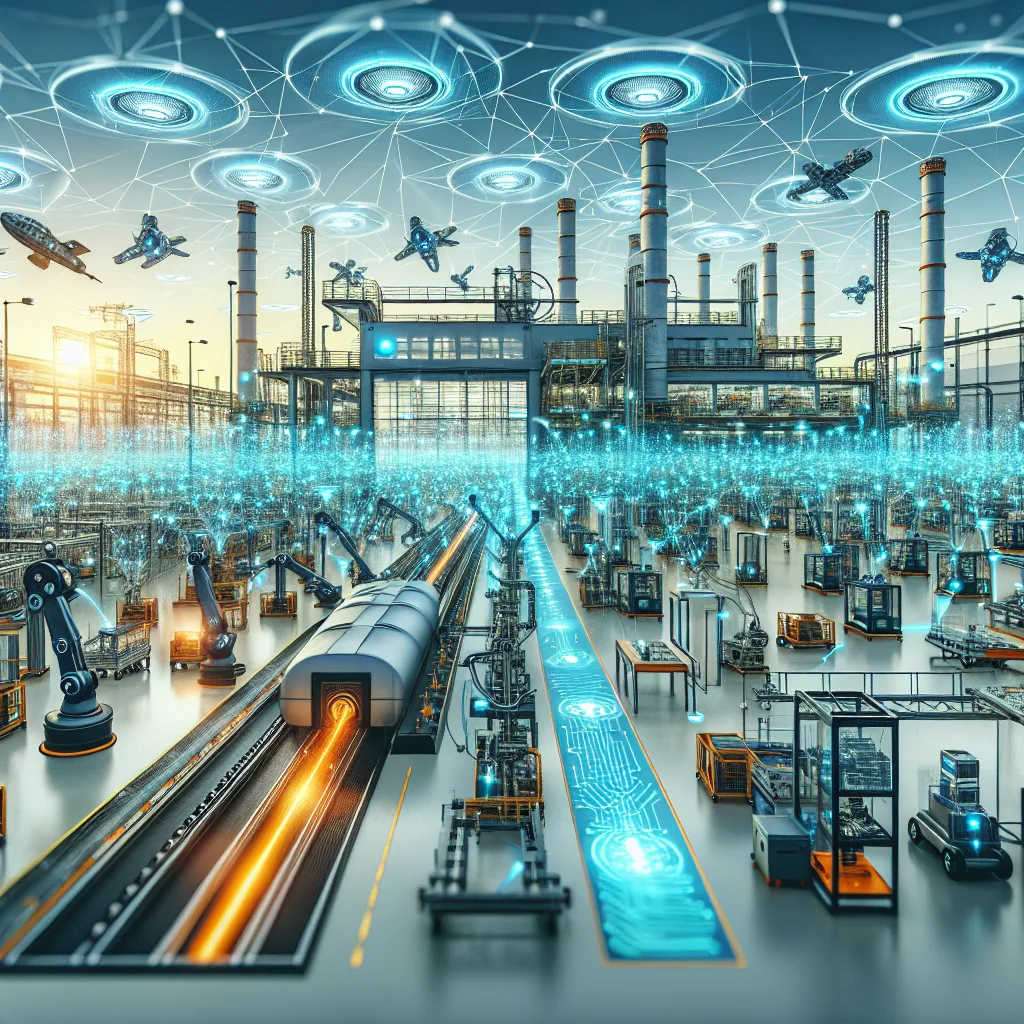
Smart cities leverage 5G connectivity to integrate multiple IoT systems into unified urban management platforms. Traffic management systems coordinate signal timing and monitor congestion. They optimize routing based on real-time conditions. Environmental monitoring networks track air quality, noise levels, and energy consumption across urban areas. Industry 4.0 initiatives transform manufacturing through 5G-enabled automation and connectivity. Production lines operate with unprecedented flexibility. They adapt to changing demands and optimize efficiency through AI-driven process control. The benefits of 5G include reduced production costs, improved quality control, and enhanced worker safety. Smart city infrastructure integrates energy management, waste collection, and public safety systems through unified IoT platforms. These systems share data seamlessly. This enables coordinated responses to emergencies and optimized resource allocation across municipal services.Real-Time Monitoring and Control Systems
Real-time monitoring capabilities enable proactive management of city infrastructure and industrial systems. Sensor networks detect maintenance needs before equipment failures occur. This reduces service interruptions and extends asset lifecycles. These systems process sensor data continuously, identifying trends and problems that require attention. Emergency response systems benefit from enhanced connectivity and faster speeds. They coordinate resources more effectively during critical situations. First responders access real-time information about incident locations, building layouts, and potential hazards through connected systems.Mobile Networks Evolution and Data Transmission

Mobile Device Integration and Connectivity
Mobile devices serve as gateways for IoT ecosystems. They connect sensors and actuators to cloud-based management platforms. These devices benefit from 5G's enhanced capabilities, supporting more sophisticated applications and improved user experiences. Device connectivity standards ensure interoperability across different manufacturers and platforms. IEEE standards committees continue developing protocols that maximize 5G's potential for IoT applications. They maintain security and reliability requirements.Enhanced Network Infrastructure and Performance
The impact of 5g on industrial M2M systems extends far beyond traditional cellular networks. Modern IoT technology leverages these advanced networks to deliver extremely high data rates. These support mission-critical applications. The 5g revolution transforms how devices communicate by providing network efficiency levels that were previously impossible with legacy infrastructure. Manufacturing facilities that use 5g infrastructure can implement private 5g networks. These provide secure, dedicated communication between machines. These deployments use specialized 5g radio equipment to create isolated area network environments. The faster data transmission capabilities enable real-time coordination between automated systems, robotic assemblies, and quality control sensors. The differences between 5g and previous generations become apparent when examining specific iot use cases in smart cities and industrial automation. 5g signals penetrate complex environments more effectively. They maintain stable connections across distributed sensor networks. This improved reliability transforms how municipalities monitor traffic patterns, environmental conditions, and infrastructure health through interconnected M2M systems. Enterprise organizations deploy 5g applications that support diverse operational requirements across multiple industries. 5g technology promises to eliminate the latency bottlenecks that previously limited real-time decision making in autonomous systems. The comprehensive impact on iot extends to supply chain optimization, predictive maintenance, and remote asset monitoring capabilities. Advanced 5g services enable sophisticated M2M architectures that support thousands of connected devices within single deployments. 5g will enable new categories of industrial applications that require ultra-reliable low-latency communication protocols. The technology offers enhanced spectral efficiency and improved power management for battery-operated sensors in remote locations. This addresses key challenges and future scalability requirements.Enhanced Network Performance and Coverage
5g networks deliver unprecedented improvements in M2M connectivity across industrial environments. 5g ensures consistent communication between devices even in challenging terrain. Traditional cellular mobile networks struggled to maintain reliable connections in these areas. Enhanced network coverage enables manufacturers to deploy M2M solutions in remote facilities and outdoor installations. These previously required expensive infrastructure investments. Network traffic management becomes significantly more efficient with 5g's advanced protocols. This allows industrial systems to prioritize critical data while maintaining overall system performance. The technology delivers lower latency than 4g networks. This reduces response times from 50 milliseconds to under 1 millisecond for time-sensitive applications. This improvement transforms real-time monitoring systems in manufacturing plants. Immediate feedback loops control automated processes and prevent equipment failures.Data Processing and Transmission Capabilities
Modern M2M applications generate massive volumes of data from sensors, cameras, and monitoring devices. These require efficient transmission protocols. 5g also supports increased data throughput rates up to 100 times faster than previous generations. This enables high-resolution video streaming from remote inspection drones. Industrial facilities can now process larger data volumes from multiple connected devices simultaneously. They don't experience bandwidth bottlenecks. The amount of data to be transmitted in connected factories continues growing. Manufacturers integrate more intelligent sensors and predictive analytics platforms. 5g networks handle this increased data load while maintaining quality of service standards. The coverage extends across multiple industrial sites. 5G provides the reliability and consistency required for mission-critical M2M applications in connected manufacturing environments.Overcoming Current M2M Limitations
Current M2M networks face significant challenges with bandwidth constraints and latency issues. These limit real-time applications. 5G represents a fundamental shift in how machines communicate with each other. The technology enables instantaneous data exchange between industrial sensors, autonomous vehicles, and smart infrastructure components. These previously required complex workarounds. Manufacturing environments will experience dramatic improvements in machine coordination and predictive maintenance capabilities. 5G networks support millions of connected devices per square kilometer. This allows every sensor, actuator, and control system to communicate seamlessly. This density enables granular monitoring of production lines. Each component can report status, performance metrics, and maintenance requirements in real-time.Edge Computing Integration in M2M Systems
5G networks integrate naturally with edge computing architectures to process M2M data closer to the source. This combination reduces the need to transmit raw sensor data to distant cloud servers. This cuts response times from hundreds of milliseconds to single digits. Industrial robots can now make split-second adjustments based on immediate feedback from quality control sensors and environmental monitors. Smart cities benefit from this edge-enabled M2M communication through traffic management systems. These adapt instantly to changing conditions. Connected streetlights, parking sensors, and traffic signals coordinate through 5G networks to optimize urban flow patterns. Emergency response systems can automatically reroute traffic, adjust signal timing, and alert relevant authorities when incidents occur. Healthcare M2M applications gain unprecedented reliability through 5G's network slicing capabilities. These guarantee bandwidth and latency for critical medical devices. Patient monitoring systems, surgical robots, and diagnostic equipment can operate with hospital-grade connectivity even in remote locations. This transformation enables telemedicine applications that require real-time haptic feedback and high-resolution imaging data transfer.Frequently Asked Questions
How does 5G technology transform machine-to-machine communication compared to 4G?
5G technology delivers sub-millisecond latency compared to 4G's 20-50 millisecond response times. This enables real-time control systems and critical IoT applications. The enhanced bandwidth supports up to 1 million devices per square kilometer. It provides data rates 100 times faster than previous mobile networks.
What are the primary benefits of 5G for IoT applications?
The benefits of 5g include ultra-low latency communication, massive device connectivity, and enhanced bandwidth for data-intensive sensor applications. Network slicing enables dedicated resources for critical systems. AI integration provides intelligent automation and predictive maintenance capabilities.
How does network slicing optimize IoT device performance?
Network slicing creates dedicated virtual networks with guaranteed bandwidth and latency parameters for specific IoT applications. This ensures consistent performance for critical systems. It efficiently manages resources across diverse use cases and connectivity requirements.
What role does AI play in 5G-enabled IoT systems?
AI algorithms process sensor data in real-time, enabling autonomous decision-making and predictive analytics. The combination of AI with 5G connectivity supports intelligent automation and equipment failure prediction. It optimizes system performance across industrial and smart city applications.
How do smart cities benefit from 5G and IoT integration?
Smart cities use 5G connectivity to integrate traffic management, environmental monitoring, and public safety systems through unified IoT platforms. The seamless connectivity enables coordinated emergency responses and optimized resource allocation. It supports proactive infrastructure maintenance.
What makes 5G suitable for remote surgeries and critical healthcare applications?
5G's ultra-reliable low-latency communication with sub-millisecond response times enables precise haptic feedback systems. These are required for remote surgeries. The enhanced bandwidth supports high-definition video transmission and real-time sensor monitoring for critical healthcare applications.
How do private 5G networks improve M2M communication security?
Private 5g networks provide dedicated infrastructure that isolates M2M communication from public cellular networks. These deployments use 5g radio equipment configured specifically for enterprise requirements. This ensures data remains within controlled network boundaries. The enhanced security protocols protect sensitive industrial communications. They maintain the faster data transmission speeds necessary for real-time operations.
What makes 5G different from previous cellular technologies for IoT applications?
The differences between 5g and earlier cellular technologies center on latency, capacity, and network efficiency improvements. 5g offers extremely high data rates alongside ultra-low latency. This enables real-time communication between machines in industrial settings. This advancement supports complex iot use cases that require instantaneous response times. Examples include autonomous manufacturing systems and predictive maintenance applications.
Which industries benefit most from the 5G revolution in M2M communication?
The impact of 5g transforms manufacturing, healthcare, and smart city applications through enhanced iot technology capabilities. 5g applications enable precise control of robotic systems and real-time patient monitoring devices. They support comprehensive urban sensor networks within wide area network deployments. These implementations show how 5g will enable new operational efficiencies that were previously impossible with legacy communication protocols.
What challenges does 5G address in current M2M deployments?
Current M2M systems face limitations in bandwidth, latency, and device density. 5g technology promises to resolve these issues. The enhanced 5g services support thousands of simultaneous connections. They maintain consistent 5g signals across complex industrial environments. This addresses key challenges and future requirements for scalable IoT deployments. These demand reliable, high-performance connectivity for mission-critical applications.
How does 5G improve data handling compared to previous cellular networks?
5G networks process significantly larger data volumes than 4G systems. They support up to 1 million devices per square kilometer. The technology manages network traffic more efficiently through advanced algorithms. These prioritize critical M2M communications. This enhanced capacity allows industrial facilities to connect thousands of sensors and devices without experiencing performance degradation.
What makes 5G latency improvements crucial for M2M applications?
5G delivers lower latency than 4G networks. It reduces communication delays to under 1 millisecond for ultra-reliable applications. This improvement enables real-time control systems where increased data processing speed determines operational safety and efficiency. Manufacturing robots and automated systems require immediate responses that only 5G's ultra-low latency can provide.
Will 5G provide better coverage for remote M2M deployments?
5G ensures improved network coverage through advanced antenna technologies and more efficient spectrum use across diverse geographical areas. Enhanced connectivity transforms how companies deploy M2M solutions in digital environments. This enables remote monitoring and control capabilities. This expanded infrastructure reaches previously underserved industrial locations.
How much data can 5G networks handle for industrial M2M systems?
5G networks support massive volumes of data transmission, with peak rates reaching 20 Gbps for individual connections. The amount of data to be transmitted varies by application. 5G also accommodates simultaneous connections from thousands of devices without compromising performance. Network planning remains essential for optimizing data flows in complex industrial environments.
What makes 5G different from previous wireless technologies for M2M applications?
5G delivers three key improvements that transform M2M communication. These are ultra-low latency under 1 millisecond, massive device connectivity supporting up to 1 million devices per square kilometer, and network slicing for guaranteed performance. These capabilities enable real-time industrial automation, autonomous vehicle coordination, and mission-critical applications that were impossible with 4G networks.
How does 5G handle the massive scale requirements of industrial M2M deployments?
5G networks use advanced antenna technologies like massive MIMO and beamforming. These manage thousands of simultaneous M2M connections efficiently. The technology allocates network resources dynamically based on application requirements. This ensures that critical systems receive priority access. Manufacturing facilities can deploy comprehensive sensor networks without worrying about network congestion or connectivity failures.
Can existing M2M systems integrate with 5G networks without complete replacement?
Most existing M2M systems can integrate with 5G through hybrid connectivity solutions and protocol translation gateways. Legacy sensors and controllers connect to 5G-enabled edge devices that bridge different communication standards. This approach allows organizations to leverage 5G benefits while protecting their existing infrastructure investments. It maintains operational continuity.
What security improvements does 5G bring to M2M communication networks?
5G implements enhanced encryption protocols and network authentication mechanisms specifically designed for M2M applications. The technology supports end-to-end security with device-level identity verification and encrypted data transmission channels. Network slicing also provides isolation between different M2M applications. This prevents security breaches in one system from affecting others on the same network.
Organizations planning M2M implementations must evaluate their specific latency, bandwidth, and connectivity requirements to maximize 5G benefits. Start by conducting pilot deployments in controlled environments. Then scale successful applications across broader operations. The technology's transformational capabilities require strategic planning and investment in compatible infrastructure to achieve optimal results.Related Articles
Satellite IoT Connectivity: M2M Beyond Cellular Coverage
Satellite IoT connectivity changes how m2m communication works. It extends IoT devices beyond regular network limits. When cellular coverage fails in re...
Wi-Fi vs Cellular for IoT: When to Use Each
Choosing between wi-fi vs cellular for iot when to use each option is a critical decision. It impacts deployment success, operating costs, and device pe...
RFID Technology in M2M: How It Works
RFID technology in M2M systems changes how machines communicate and exchange data. Radio frequency identification enables automated tracking and data co...